



CLEVELAND — Northeast Ohio addiction specialists said they are seeing an increasing number of patients addicted to kratom, a substance some describe as "gas station heroin."
"I cannot imagine a person saying that it's not a dangerous drug that is addictive," said Dr. Theodore Parran. Parran is the medical director at Rosary Hall St. Vincent Charity Medical Center, an addiction treatment center in Cleveland.
He and another addiction specialist News 5 Investigators interviewed said Ohio should ban kratom in every form.
Parran said a few patients a week come in hooked on 7-OH, a synthetic form of kratom.
It could be found in drinks, like in "Feel Free," which was sold at gas stations, until Ohio banned 7-OH last December.
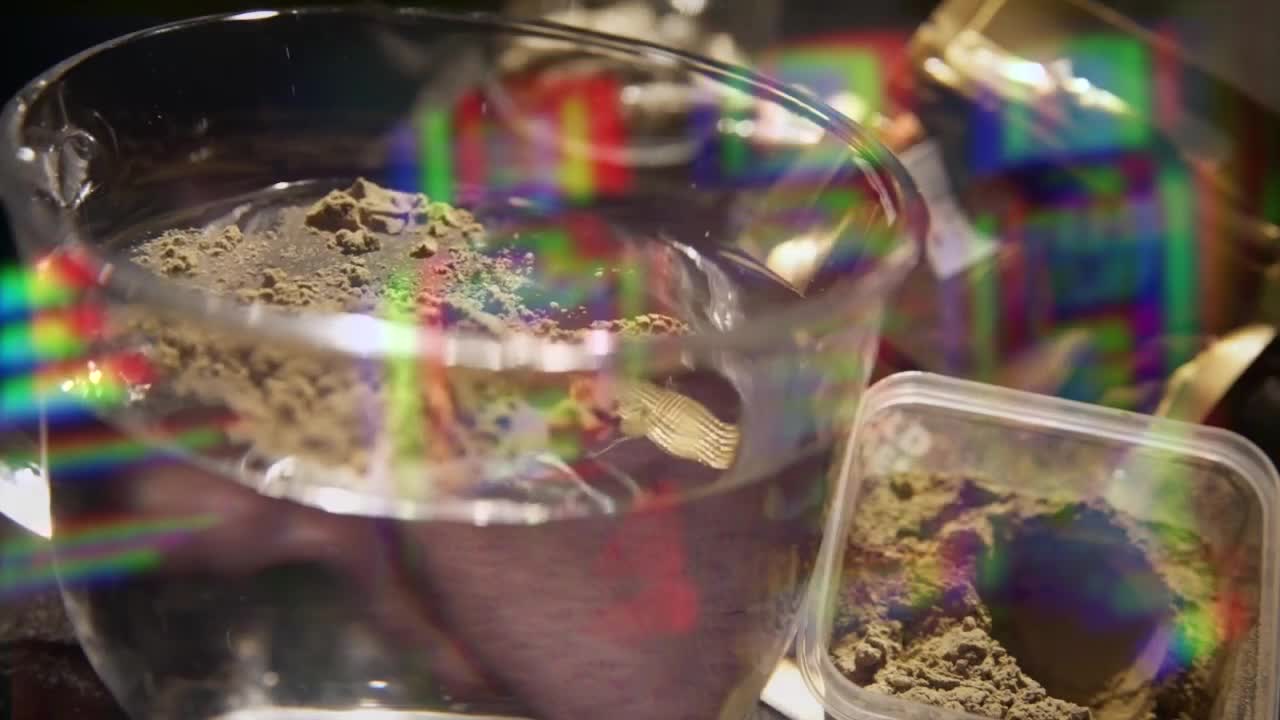
He said a few people a month come in dependent on the tea that is made from kratom powder or crushed kratom leaves.
"They start off drinking the tea once a day or maybe twice a day, and if they come into treatment, they're using it as often as every two to four hours," Parran said.
"It is discouraging to see us making so much progress with the opioid epidemic and then see an over-the-counter substance stepping in and replacing that addictive drug," he said.
He said there are two different groups of people who become dependent on kratom.
"The ones that break my heart are the ones who had previous opiate addiction and got sober and started using this because it's just available in the community and they thought it was safe, and they wind up with a reactivation of their opiate addiction," he said.
"The other group of people who actually develop dependence on kratom are people who are thinking that it's a healthy, safe, herbal tea and maybe mild remedy for chronic pain," he said. "They start off drinking the tea once a day or maybe twice a day, and if they come into treatment, they're using it as often as every two to four hours. "
Carole Negus said she is also treating more patients who are addicted to kratom. Negus is the director of nursing at Stella Maris, another addiction treatment center located in Cleveland.
"We've seen a lot more in the last six months than I think we've seen in a long time," she said.
"I usually have about one [patient] a week," Negus said. "Which is pretty significant considering that it used to be, like, maybe I would get three a year."
She said withdrawal from kratom is "terrible" and similar to withdrawal from heroin or fentanyl.
"It's like really significant, severe opiate withdrawals, a lot of nausea and vomiting," she said.
More Signs of Trouble
There are other indicators that kratom use has become more prevalent and problematic in Ohio.
According to the Cincinnati Drug and Poison Information Center (1-800-222-1222), the number of kratom-related calls increased by 198% between 2023 and 2025.
In 2023, there were 54 calls related to kratom. In 2025, there were 161.
So far this year, there have been 83.
A spokesperson said the numbers include "all kratom products and derivatives," including 7-OH.
According to the Ohio Department of Health, the number of fatal drug overdoses involving kratom increased by 180% between 2019 and 2024.
In 2019, there were 19 deaths where kratom was present in postmortem toxicology. In 2024, there were 54.
Kratom proponents
The American Kratom Association, which describes itself as a consumer-based advocacy organization, said those numbers are misleading.
Senior Fellow on Public Policy Mac Haddow said 7-OH is responsible for the majority of problems connected to kratom, not the substance in its natural form.
"Does natural kratom leaf products put people in an addiction cycle? The answer is no," he said. "And every one of those addiction specialists who are saying it simply need to reassess what the product is that they're talking about."
However, he acknowledged users can become dependent on natural kratom and experience withdrawal symptoms when they stop using the product.
Natalie Devere is the co-owner of Miracle Kratom, which has three brick-and-mortar locations, including one in Cleveland.
She said the stores only sell natural forms of the substance, which are harvested from Indonesia.
"Anything can be addictive," she said. "Honestly, anyone can be addicted to anything. There's a risk for that with everyone."
"However, if taken responsibly and used properly, I don't see addiction issues. We've been in business for almost 10 years now and continuously have stories of help as opposed to addiction," she said.
"We don't see people coming in, like, needing kratom. They're just like getting it to help their daily lives," she said.
Devere said she supports Ohio's ban on 7-OH. She also supports Ohio House Bill 587 and Senate Bill 299, which would create age restrictions and regulate natural kratom, without banning it.
"The stigma around things can be more reduced, and people that use it responsibly can have access to it," she said.
Addicted to kratom
Nathan Burchak doesn't believe anyone should have access to any form of kratom. He said he became addicted to kratom while in recovery for opioid addiction.
"I know a lot of bad that's come out of it. I don't know of any good that's come out of it," he said.
While at a treatment center, he said he tried a drink from a nearby gas station. At the time, he didn't know it contained kratom. It was legal, and he thought it was safe.
"It instantly reminded me of what it was like to take a Vicodin or a Percocet," he said.
Before long, he was hooked.
“It became an everyday thing. It became a multiple times a day, every day thing, just like my drug use," he said.
When the gas station stopped selling the drink, Burchak said he started buying kratom in its natural form.
"From there, it went from buying it from the head shops to buying it directly from a farm in Indonesia, kilos at a time," he said.
He ended up back at Stella Maris, which previously helped him withdraw from opioids.
He said the withdrawal from kratom was similar.
"It was identical to any type of opioid withdrawal that I’ve ever had, and I’ve withdrawn from Percocet, Vicodin, fentanyl," he said.
He still attends a detox group at Stella Maris. He said more of the participants are using kratom.
"It's just switching seats on the Titanic," he said. "It ends the same."
