


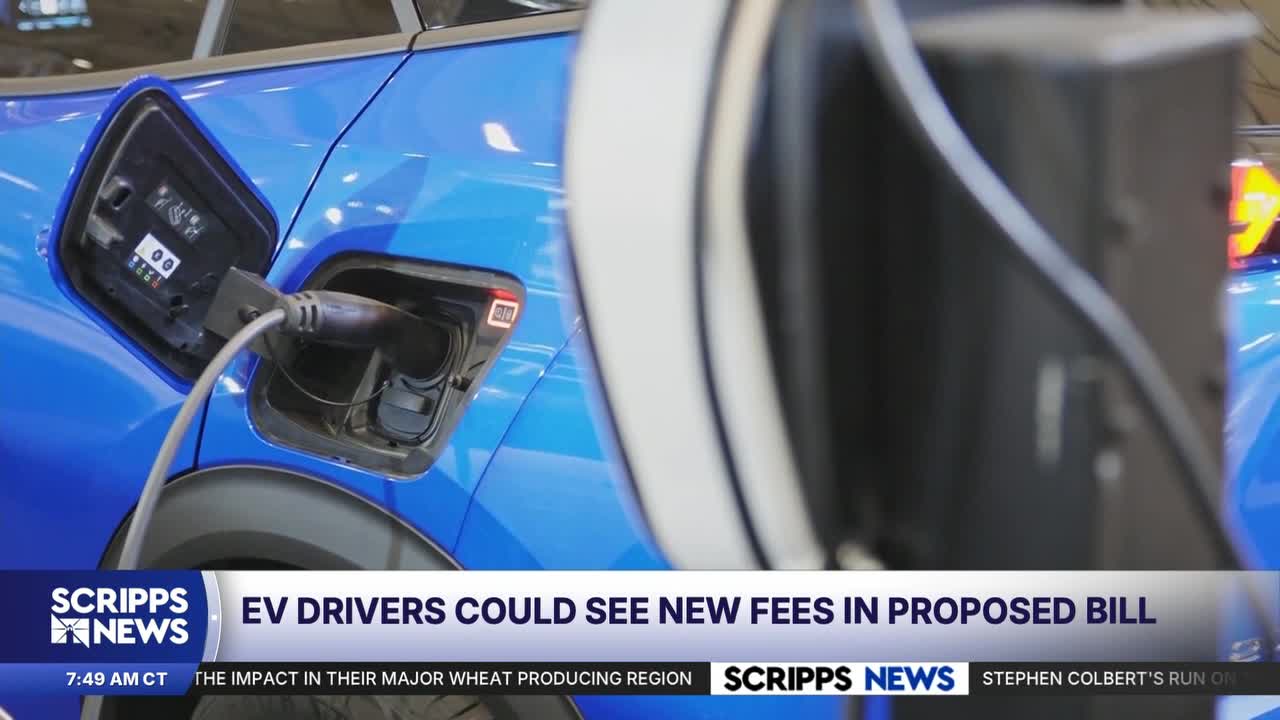


Gas prices are soaring, and searches for electric vehicles surged 25% last month, according to Cars.com. But a new bipartisan proposal in Congress could cut into the savings that make EVs attractive in the first place.
The EV Savings Index estimates EV drivers are saving around 0.14 cents a mile right now — about $1,395 a year. Congress may soon be reducing that.
In the latest bipartisan multi-year transportation bill in the House of Representatives, lawmakers have proposed the first-ever national fee on EVs and plug-in hybrids. The proposal calls for a $130 annual fee for EV cars and a $35 fee for plug-in hybrids.
RELATED STORY | Gas prices are driving a new interest in EVs, retailers say
The measure currently has the support of both the leading Republican and leading Democrat on the House transportation committee. Early estimates say it could raise $30 billion over the next decade to pay for road repairs and offset the rise in EV drivers who don't pay gas taxes.
Ben Prochazka of the Electrification Coalition — a group that lobbies for expanding the number of EVs in the U.S. — said EV drivers know they aren't paying gas taxes despite driving on the same roads as everyone else, making a discussion of a new fee appropriate. But he believes the current proposal is too penalizing and that the fee should be under $100 a year.
"We are going to do everything that is possible to esnure that any fees assessed on an EV, whether at the state or federal level, is about EVs paying their fair share and not more than their fair share," Prochazka said.
Any new national fee would be in addition to state EV fees already in place. Around 40 states have enacted such laws, with Michigan EV drivers paying the most at over $260 a year.
RELATED STORY | Tesla no longer top EV maker as expired U.S. tax credits hit sales
The debate in Washington over a national fee is expected to heat up over the summer and marks a dramatic shift in American politics — from tax incentives to buy an electric car during the Biden administration, to repealing those incentives under President Trump, and now potentially a new fee.
Meanwhile, countries across Europe and Asia are continuing to incentivize the technology.
"Right now the world is going electric," Prochazka said.
