



The number of Americans with Alzheimer’s or other dementia-related conditions is expected to grow in the coming years because risk increases with age.
By 2030, all the baby boomer generation will be 65 or older, which is the age range of greatest risk of Alzheimer’s dementia.
But research is rapidly advancing.
Hope is growing.
And there’s a focus on early detection and intervention.
Which makes a free program in Northeast Ohio critical to know about — especially if you’re caring for a loved one with dementia.
"He's a big dancer, a big performer," Gina Messina said with a smile. "He was getting people out of their seats to come dance!"
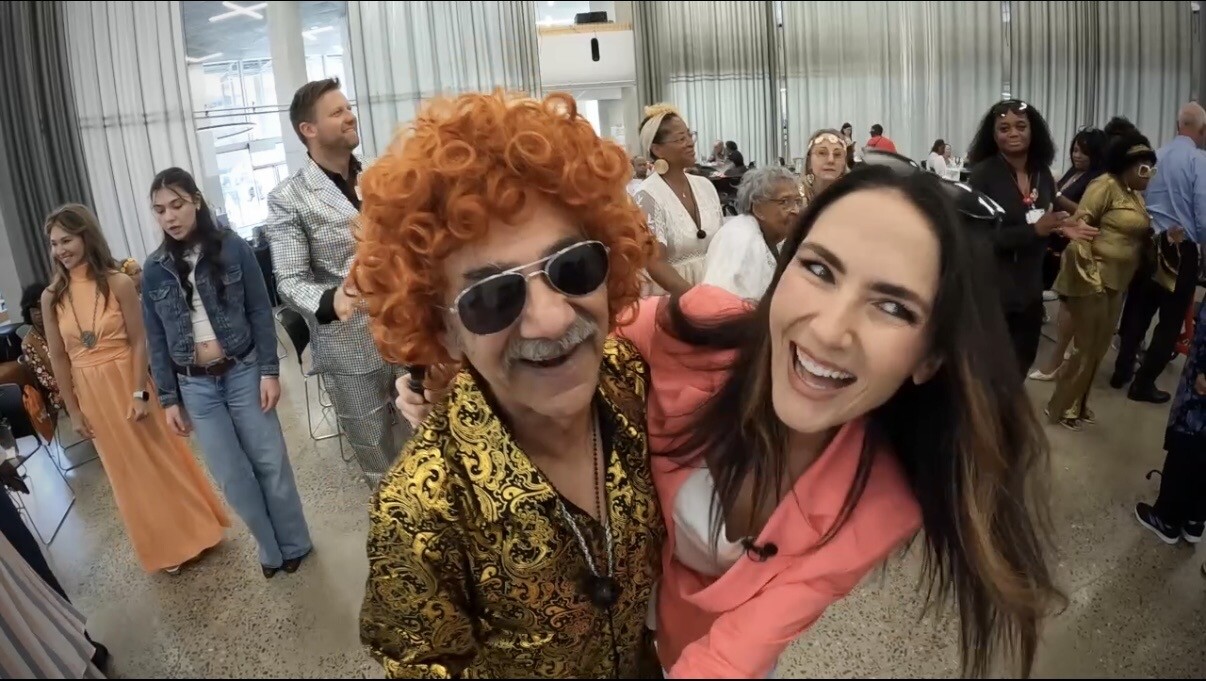
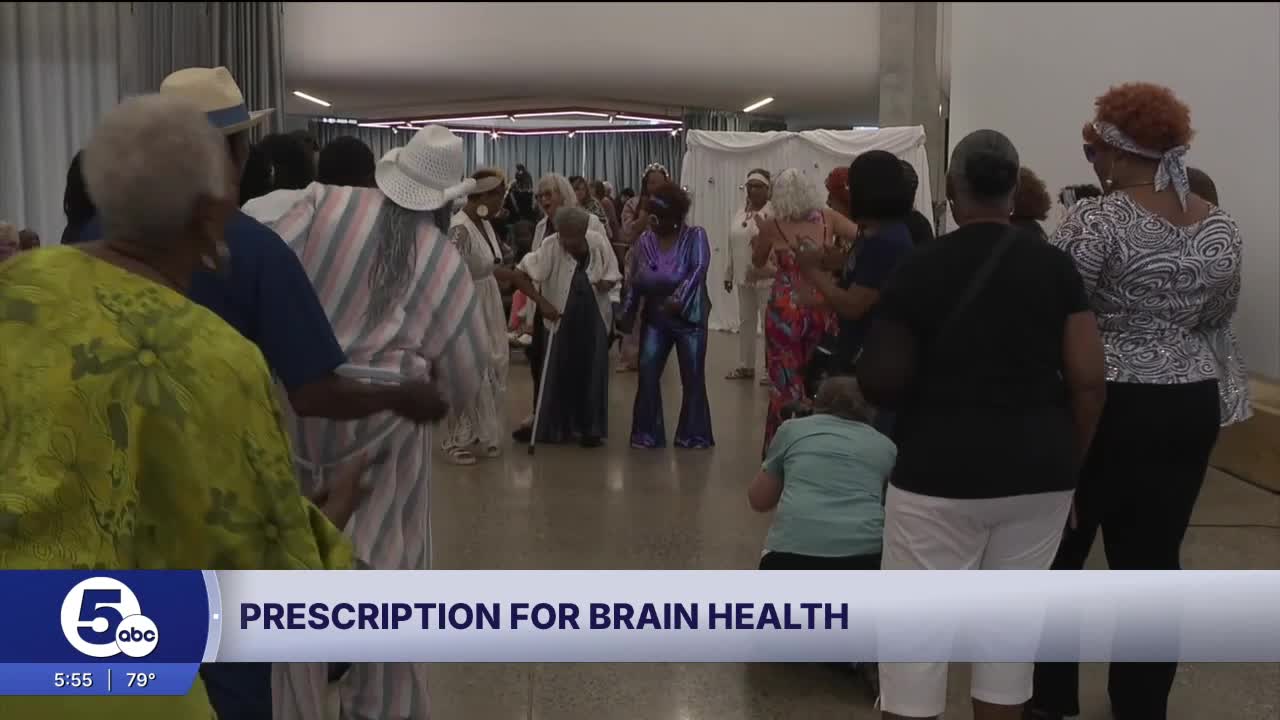
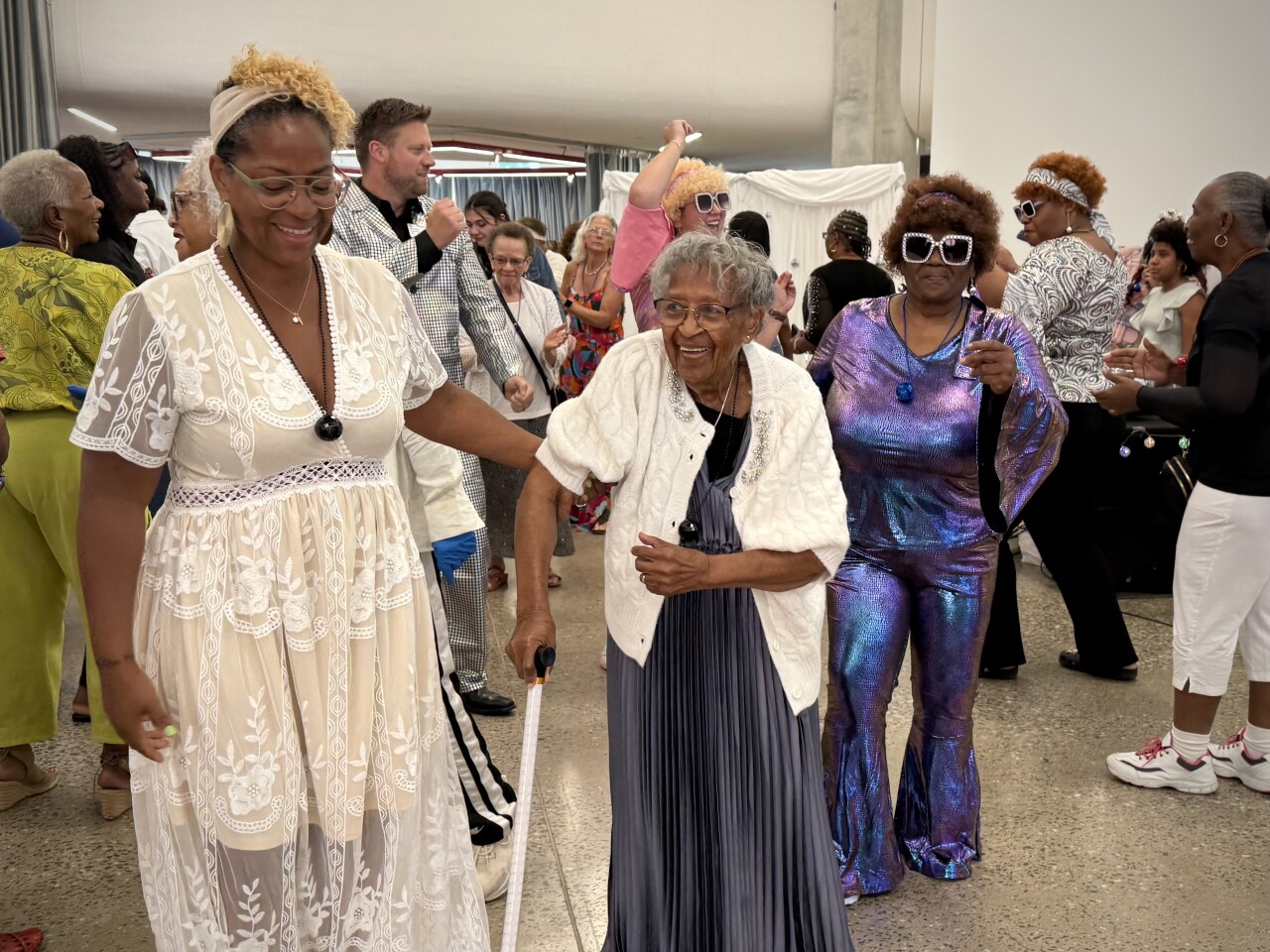
Gina is talking about her dad, Biagio. They were among the 200 people who enjoyed cutting it up on the dance floor at the senior prom in Cleveland Wednesday at the MLK Branch of the Cleveland Public Library.
It is an annual, free event for people with memory decline or dementia and their caregivers.
The prom is part of a year-round program called Memory Cafés.

The free monthly meet-ups are open to any senior with dementia and their caregivers.
They were established in partnership with the Cleveland Clinic, the South Euclid Public Library, the Heights Libraries, and FOX Rehabilitation Services.

The prom and the monthly gatherings are part of the prescription for brain health for everyone.
"It's just enjoyable, it really is. The people are fun. You get to talking and meet everybody,” said Biagio.
I first met Biagio and Gina at a Memory Café at the South Euclid-Lyndhurst Branch of the Cuyahoga County Public Library.

Each meetup has a different theme and different activity for everyone to try.
On the day I met Biagio and Gina, it was hula dancing!
"It was different," said Biagio with a smile. "It was good, you know, something new.”
That is the key, said Cleveland Clinic geriatrician Dr. Roopa Anmolsingh, who oversees the Memory Cafés.
"When it comes to brain health and memory loss, you gotta stay active: mentally, physically and socially,” said Anmolsingh, whom patients call "Dr. A."
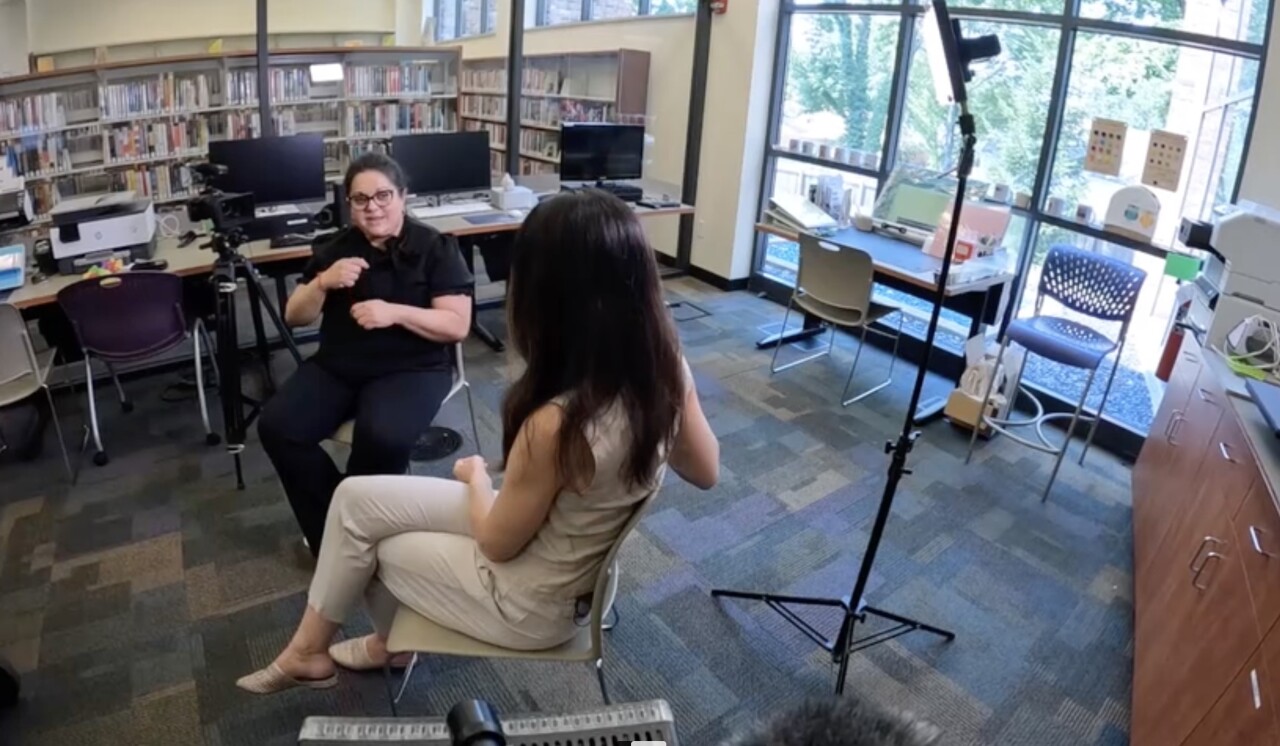
The Memory Cafés put those three key pieces into practice for families dealing with a diagnosis.
Dr. A said when you're being socially active, it's protective to your brain health because you're using different brain domains.
"Staying social means you’re talking and you’re using particular brain domains like language and processing,” said Dr. A. "You're listening to others and responding to what they said."
She said the Memory Cafés are also about caring for caregivers by allowing them to just be a companion.

"It's very hard to get him to do something like this at home," said Gina. "We try to paint and he’s like, ‘Um, I’m watching TV!’ He’s not having it, but here he really gets engaged and we have fun together!”
Speaking of fun, the Memory Cafés annual senior prom also has all the right moves, combining conversation, dancing, and connection.
"You don’t want them to feel forgotten," said Bryanta Spencer, social work manager for the Cuyahoga County Public Library System and Ohio Social Worker of the Year. "They’ve lived full lives, and then of course when you get to be of a certain age they’ve cared for everyone else, and it’s still important for people to care for them."
Dr. A said embracing aging as a period of continued growth, not decline, by intentionally creating community for older adults.
She reminded everyone to make lifestyle changes as you get older and to not get comfortable — keep learning new things.
"Keep busy mentally, physically, socially,” said Dr. A.
I asked Dr. A what is normal forgetfulness as we age versus a sign of something more serious.
She said two things typically change as we get older: the working memory and speed of processing.
For example, you hear a phone number on TV, rush to find pen and paper to write it down, only to then say, 'What was that number again?'
Or, you walk into a room to get something, forget what it was, walk out and say to yourself, 'Ah, yes, my glasses!'
Those are both normal.
What is not normal aging, she said, is disruptions to what she called instrumental activities to daily living.
For example, your parent getting lost coming home from the grocery store where they've shopped their whole life.
Or forgetting a recipe they’ve made for years.
Or leaving kitchen appliances on, forgetting pills, or double paying bills.
She said these are red flags.
If you have any concerns for yourself or a loved one Dr. A said to talk with your primary care provider and get a basic screening. Then, if necessary, you’ll be referred to a specialist.
