

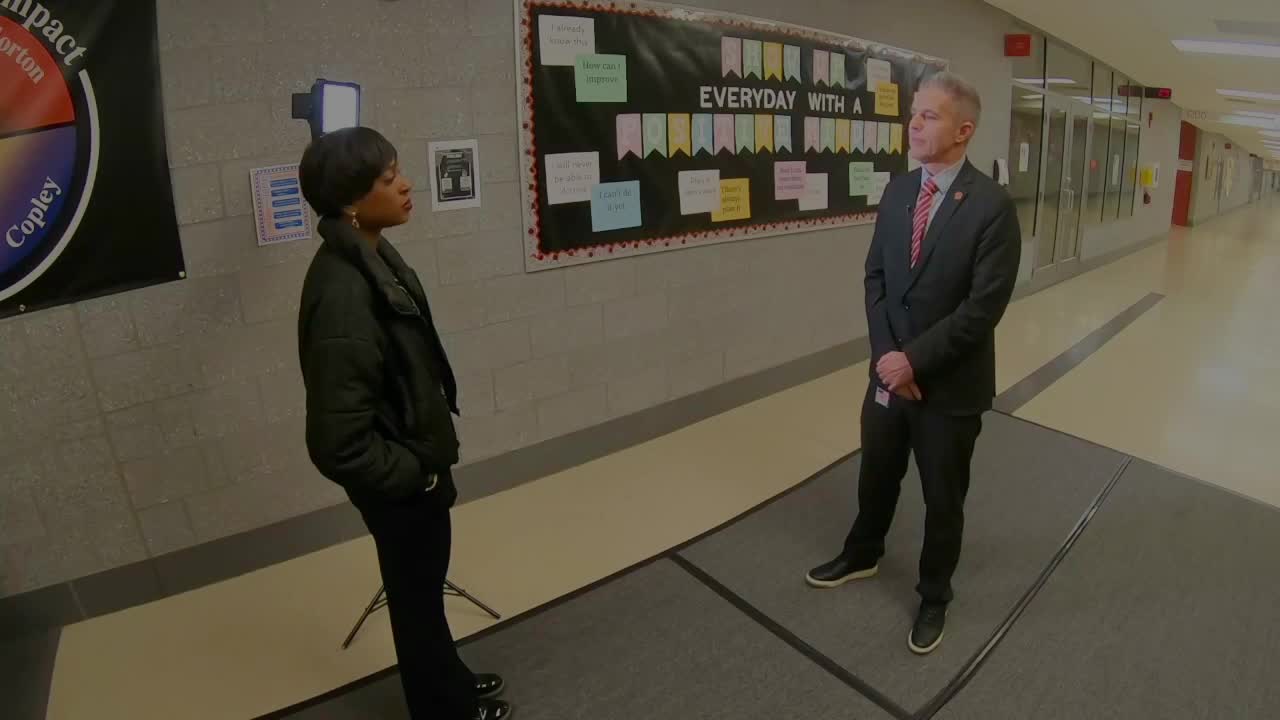


WADSWORTH, Ohio — Wadsworth City Schools Superintendent Andy Hill said the district faces a tough road ahead after voters rejected its levy.
“There’s a lot to discuss; a lot of strategy the board is going to have to work through with how they decide to proceed,” said Hill.
For the second time, Hill said the district fell short of the votes needed to secure extra funding after a similar levy effort failed during the spring election.
WATCH RELATED: Wadsworth City Schools pushes a revised school levy for voter approval this fall
“We’re not in a situation at the moment where the board is going to do drastic mid-year reductions; at leas,t there’s been no conversation of that,” said Hill.
Still, Hill said the district can’t cut its way out of the situation it’s in, so he said leaders are considering cuts to transportation, reducing full-day kindergarten classes to only half a day and potentially closing an elementary school.
“This isn’t about wanting to threaten or take away or do anything else. It’s painful to have to dismantle what has been put in place,” said Hill.
While Hill said he’s disappointed, he understands rising costs and the choice between an income tax and a traditional tax may have influenced people’s decisions to not support the district’s school levy tax initiative.
“It’s a different approach, and it takes a lot of education to kind of wrap around what does that look like, how is it different than a municipal income tax that people are used to,” said Hill.
As the district figures out its next steps, parent Christi Urbanek said she’s disappointed by the election results and concerned about what this means for the future.
“We choose Wadsworth. I’ve been here 11 years, but we moved here because of the great school district; so, I fear if some of those music programs could get cut or sports or compact programs,” said Urbanek.
At the same time, she said she remains hopeful.
“I’m hopeful that it’ll get on the ballot again, and maybe a third time it’ll pass,” said Urbanek.
Meanwhile, Hill said the board could consider asking voters for more money in May or November next year.
“While I can’t fully speak for them, I would tell you I’d be surprised if the end solution of what they attempt to do isn’t some kind of an additional ask coupled with further reductions,” said Hill.
