

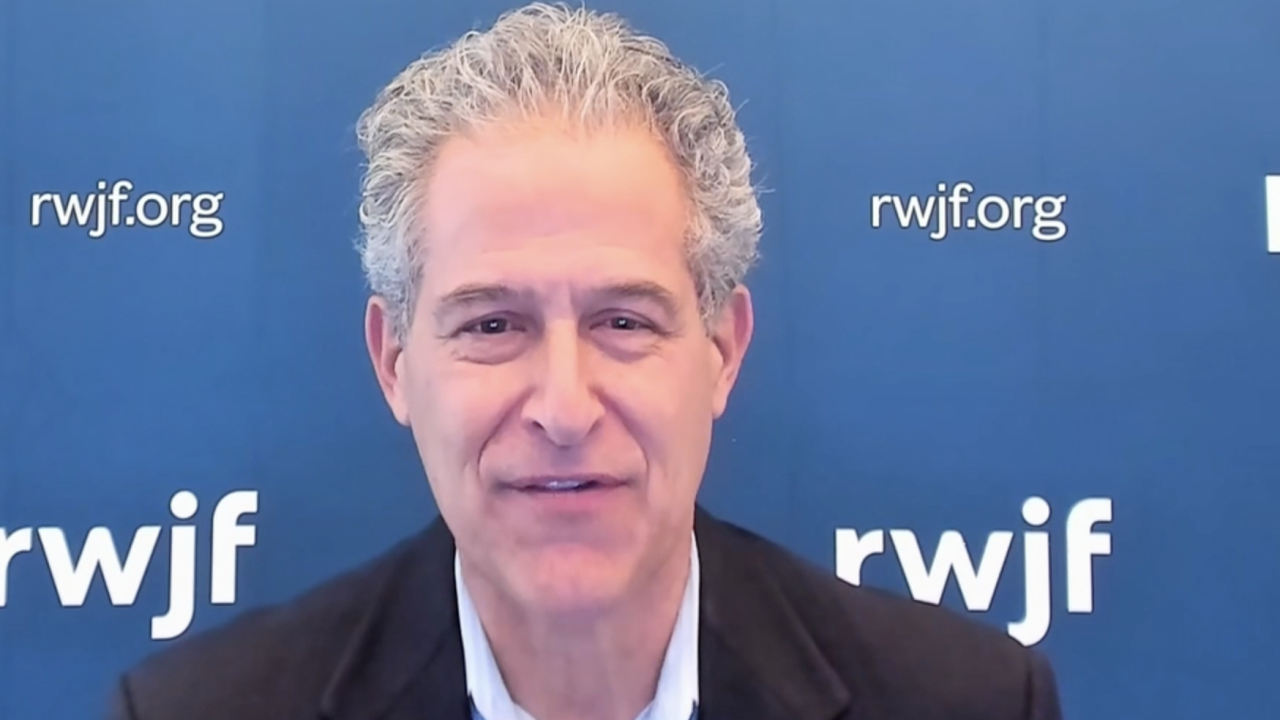


Dr. Richard Besser, a former acting director of the Centers for Disease Control and Prevention, said Tuesday that he believes the CDC’s new recommendations for childhood vaccines are “shocking” and will cause confusion and mistrust among parents.
Speaking with Scripps News, Besser said the agency’s revised vaccine guidelines for children introduce political influence into health decisions.
“To see this kind of a dramatic change where the CDC is no longer recommending vaccination against diseases that cause so much harm in children — to me, it’s absolutely shocking,” he said.
The Trump administration announced Monday that six vaccines previously recommended universally for children would now be advised only for high-risk groups. Health and Human Services Secretary Robert F. Kennedy Jr. supported the changes.
“President Trump directed us to examine how other developed nations protect their children and to take action if they are doing better,” Kennedy said. “After an exhaustive review of the evidence, we are aligning the U.S. childhood vaccine schedule with international consensus while strengthening transparency and informed consent. This decision protects children, respects families and rebuilds trust in public health.”
RELATED STORY | US decreases the number of vaccines it recommends for every child
With the changes, the CDC now recommends that children be vaccinated against 11 diseases, down from 17. Diseases no longer recommended for universal vaccination include influenza, hepatitis A, hepatitis B, rotavirus, some types of meningitis, and RSV.
Besser noted these diseases have historically caused hospitalizations and deaths in children.
While he said a future administration could reverse the changes, Besser believes the new vaccine schedule will have a lasting impact on public health.
“Once you bring politics into public health and into people’s health decisions, you’re going to see people making decisions based on political affiliation rather than on the best evidence — and that is really a sad thing for our country,” he said.
RELATED STORY | Flu activity is on the rise, with 47 states and territories reporting high case levels
The new schedule closely mirrors one used in Denmark, where life expectancy is several years longer than in the United States. But Besser stressed that Denmark has universal health care.
“It’s hard for a lot of people in this country to get their children in to see doctors. These vaccines were developed so we wouldn’t see so many babies in the hospital with RSV or children dying from rotavirus,” he said.
Some groups, including the American Academy of Pediatrics, still recommend vaccines for diseases such as RSV and hepatitis A and B. Besser advised parents with questions about the efficacy of these shots to talk to their doctor.
