

CLEVELAND — With Christmas just days away, millions of Americans are racing to lock in last-minute gifts — and scammers are racing right alongside them.
If you’re shopping online this week, I have a warning to slow down and double-check before clicking “buy now.”
According to new data from the Federal Trade Commission, Americans lost $1.5 billion more to shopping scams compared to last year. And Ohio is no exception.
Ohio shoppers reported $36 million in losses from online shopping scams in the first half of 2025 alone.
Older adults were hit the hardest.
While anyone can fall victim to an online shopping scam, a new report from TheSeniorList shows that older adults lost the most money.
Around 62% of people ages 65 and older reported falling for one of the most common scams out there — fake online storefronts.
These scams often start the same way, with a tempting ad on social media. You click the link, land on what looks like a legitimate retailer’s website, place your order, and the package never arrives.
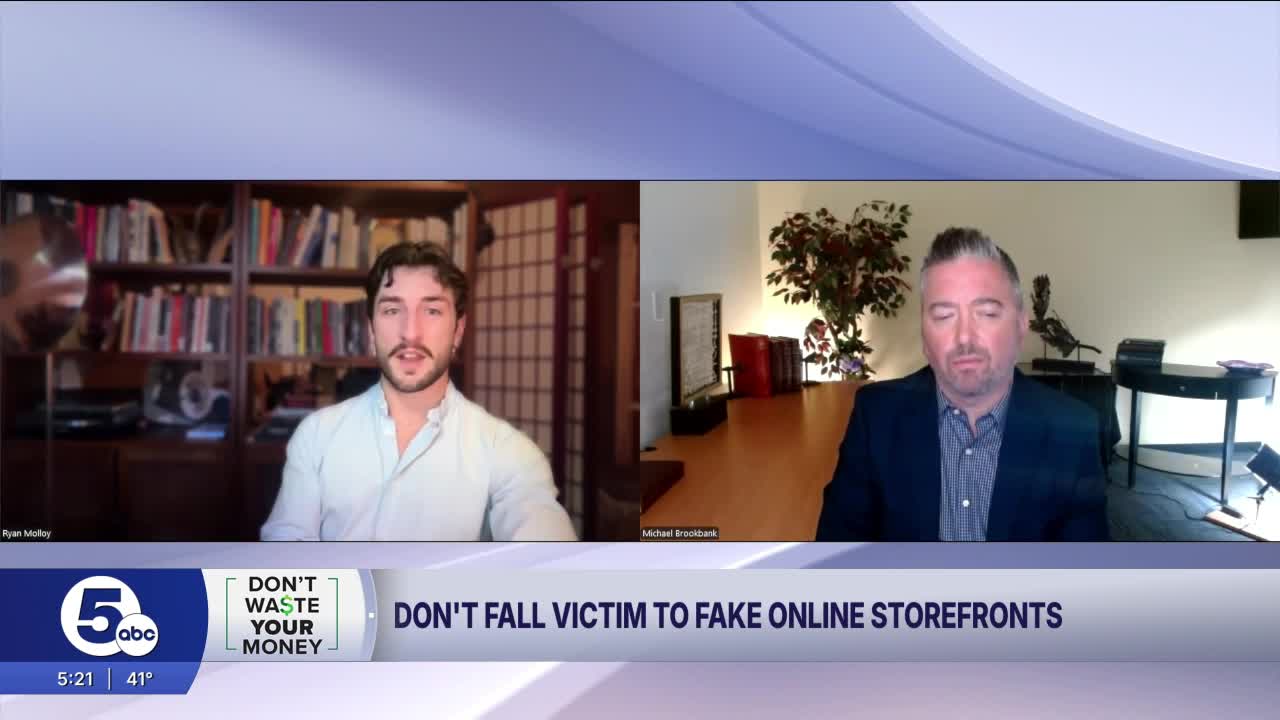
Ryan Molloy with TheSeniorList says even savvy shoppers can get fooled — including himself.
“Even I fell victim to one recently,” Molloy said. “I thought I saw a really great sale at Lululemon. I went to the website; it felt like the Lululemon website, and I placed an order — but nothing ever came.”
When Molloy went back to check, he spotted the problem.
The website wasn’t Lululemon.com — it was Lululemon.us.co.
A small difference that made a big impact.
The red flag to watch for right now
Molloy says scammers know shoppers are stressed and rushing — especially in December.
His biggest warning sign?
Huge discounts that don’t match the calendar.
“If you’re seeing Lululemon leggings 75% off on a random Wednesday in December,” he said, “check the URL before you check out.”
Because when it comes to online deals this close to Christmas, if it sounds too good to be true — it probably is.
How to protect yourself
- Double-check the website URL for extra words or letters
- Be cautious of social media ads offering deep discounts
- Shop directly through retailers’ official websites
- Use a credit card — it offers more fraud protection
As the holiday clock ticks down, consumer advocates say a few extra seconds of caution could save you hundreds or even thousands of dollars.