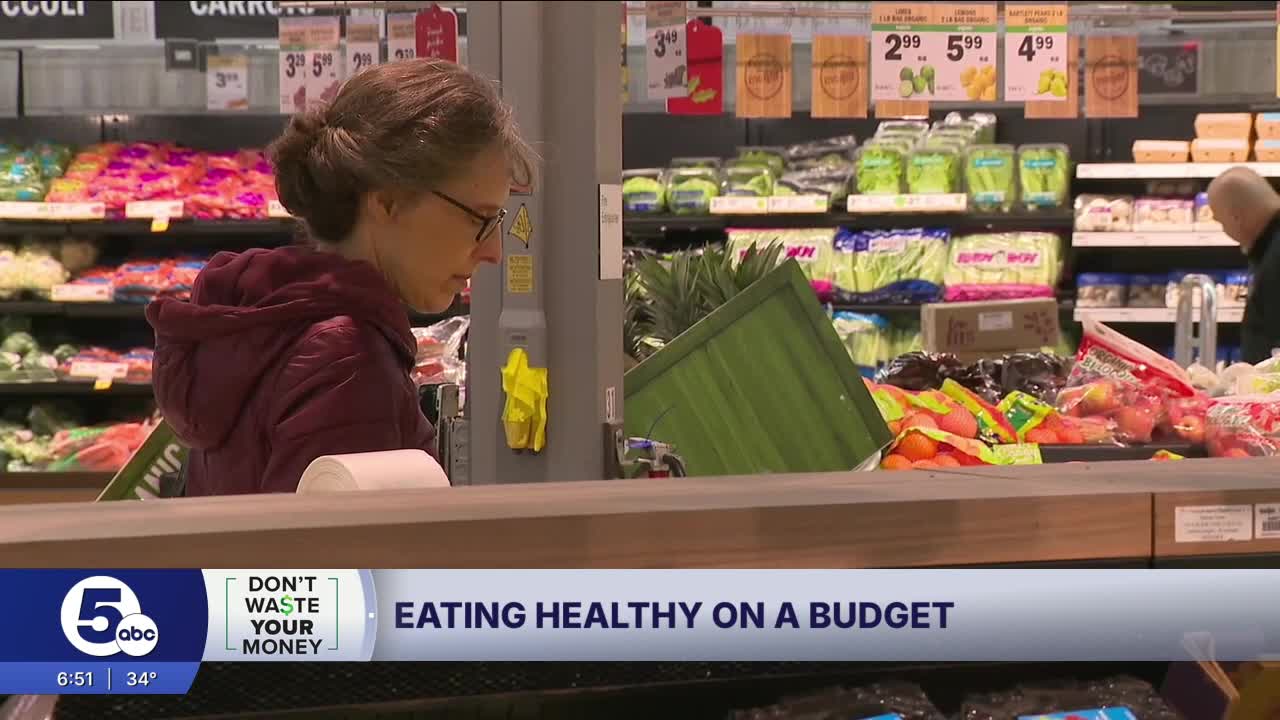


AVON, Ohio — A new year often brings fresh promises — especially when it comes to health. But in 2026, those resolutions are running straight into sticker shock at the grocery store.
A recent survey found that half of U.S. adults plan to start a new diet in 2026, with more than 80% saying grocery costs will play a major role in how they try to lose weight.
That concern is justified.
The U.S. Department of Agriculture projects grocery prices will rise another 2.3% this year, meaning your dollar won’t stretch as far — even as more Americans try to make healthier choices.
So how do you eat better without blowing your budget?
Some dietitians say the answer is surprisingly simple — and very affordable.
They’re calling 2026 “The Year of the Bean.”
Tony Macejko has already hopped on the bean bandwagon.
“I’m on a budget, just like everyone else,” Macejko said. “I do a lot of beans — beans for fiber. Those are cheap. I probably go through five cans of beans a week.”As food prices remain stubbornly high, beans are emerging as a grocery-store MVP — packed with protein and fiber, shelf-stable, and far less expensive than many trendy 'diet foods.'"
And Tony isn’t alone.
Susan Scott of Avon Lake says rising prices forced her to rethink how she fills her cart.
“You know, I think the whole thing is just ridiculous — these prices,” Scott said. She used to shop without much thought. Not anymore.
“I used to just throw things in the cart,” she said. “I don’t do that anymore. I really pay attention.”
Scott says she’s also trying to eat healthier in the new year — even if her sweet tooth still calls.
“I love doughnuts and cookies,” she admitted.
Julia Zumpano, a licensed dietitian with the Cleveland Clinic, says many people approach healthy eating the wrong way — especially when money is tight.
“Food costs are very high, but they’re high across the board — for processed food as well as healthy food,” Zumpano said. Instead of eliminating entire food groups like beef or chicken, she recommends starting with foods that aren’t helping your health goals.
“Look at your grocery list and see what foods are unnecessary,” she said. That often includes:
- Soda and sugary drinks
- Chips and snack foods
- Sugary cereals
- Bottled salad dressings
“I start by cutting back on those items and then using that money to purchase more healthy foods,” Zumpano explained.
Weekly meal plans are helpful — but Zumpano says flipping the strategy can save even more.
Before you plan meals, check your store’s weekly circular.
Build your menu around what’s already on sale instead of shopping for recipes first.
Another big money-saver? Spending a little more time in the kitchen.
“I’ll make energy balls instead of buying granola bars,” Zumpano said.“I’ll make my own hummus or salad dressings.” The payoff:
- Fewer additives
- Better nutrition
- Lower cost per serving
Price Tracker: Where groceries are cheapest this week
As part of our weekly Price Tracker, we checked the prices of everyday staples — including milk, eggs, bread, chicken, beef, and cereal — at major retailers across Northeast Ohio.
Here’s how they stacked up this week:
🥇 Aldi: $16.30
🥈 Meijer: $18.13
🥉 Walmart: $18.27
A recent poll shows just 6% of Americans plan to start a plant-based or vegan diet in 2026.
But research consistently finds that plant-forward diets are:
- Among the least expensive
- Highly effective for weight loss
- Helpful in preventing or reversing chronic disease
Doctors at the Barnard Medical Center in Washington, D.C. say eating more plant-based foods can help shed pounds — while also lowering grocery bills.
Eating healthier in 2026 doesn’t have to mean spending more.
With smart swaps, sale-based planning, and budget-friendly staples like beans, experts say it’s possible to protect both your health and your wallet — even as prices rise.