



CLEVELAND — Many notable women have made an impact in Northeast Ohio and beyond, including Nobel Prize and Pulitzer Prize-winning author Toni Morrison and Dorothy Fuldheim, who blazed trails as a television journalist at News 5.
There are scores more.
As we celebrate Women's History Month, here's another name some Clevelanders may remember. The Honorable Judge Jean Murrell Capers was the first Black woman to be elected to the Cleveland City Council.
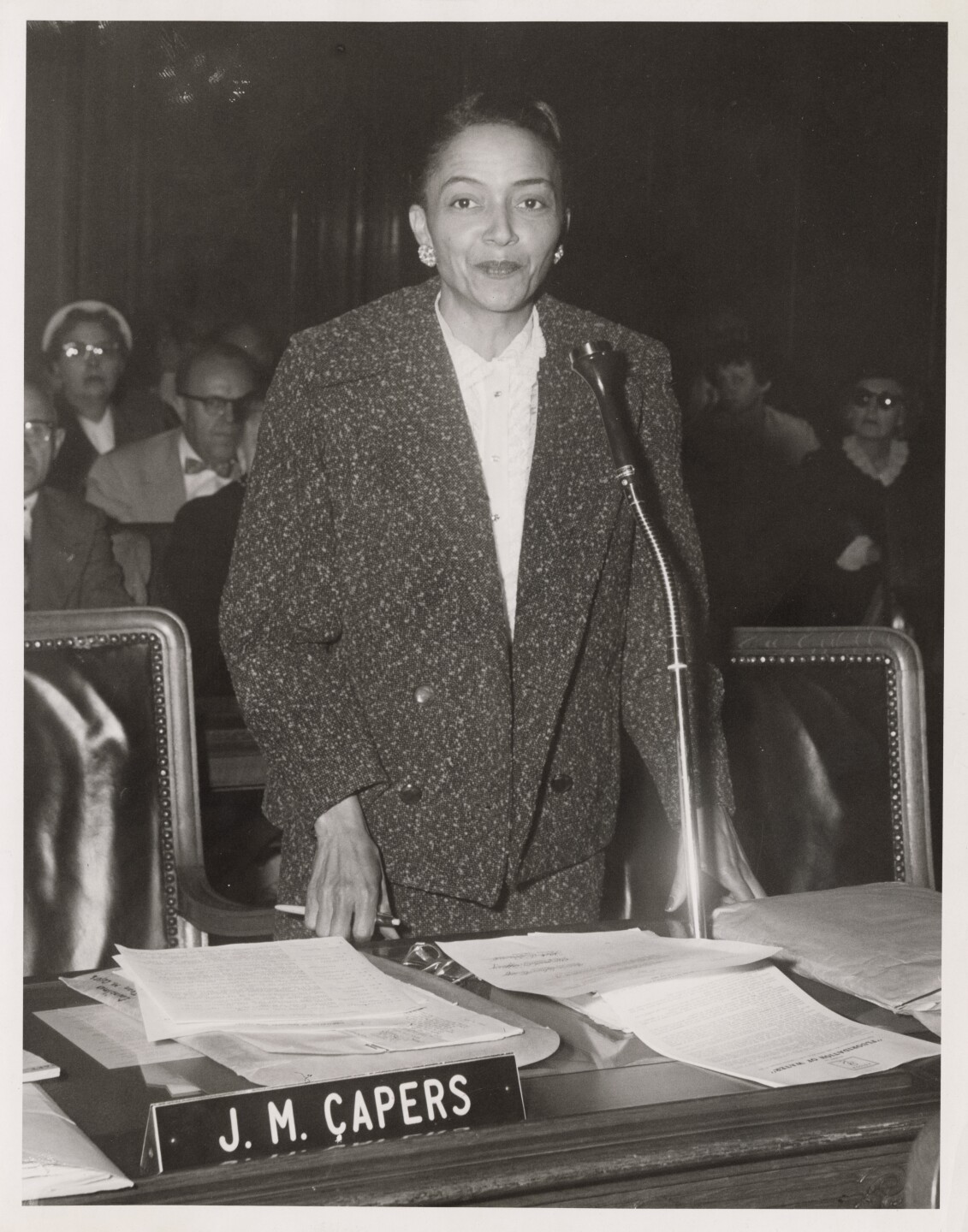
Although she died in 2017 at the age of 104, her story is still being told through others — like Cleveland activist James Lamb, who said he worked closely with Cleveland City Council in the 1970s and remembers Capers fondly.
Lamb, who said Capers memorably called him "godson," spoke to News 5 about the impact she had on the city and state.
From Eugenia to judge
Capers' journey to the heights of power in Cleveland took an unexpected route.
Eugenia (Jean) Murrell Capers was born in Georgetown, Ky., during the winter of 1913 to Edward and Dolly Murrell, both educators who met at Kentucky State University, a Historically Black College & University (HBCU). In 1919, Edward Murrell moved his family, including a 6-year-old Capers, to his wife's home state of Ohio after his segregated schooling experience inspired him to give his children an integrated one. Capers and her siblings attended public school in Cleveland.
Capers graduated from Central High School, the city's first public high school. It was also the first public high school on the west side of the Allegheny Mountains to offer free secondary education paid for by the public.
Lamb remembers Capers telling him her story.
"She said, 'My father told me and my sister that we were the best. So, we put forth the best to receive the best,'" said Lamb. "She said ... I want women to know they're the best.' She shouted that every day."
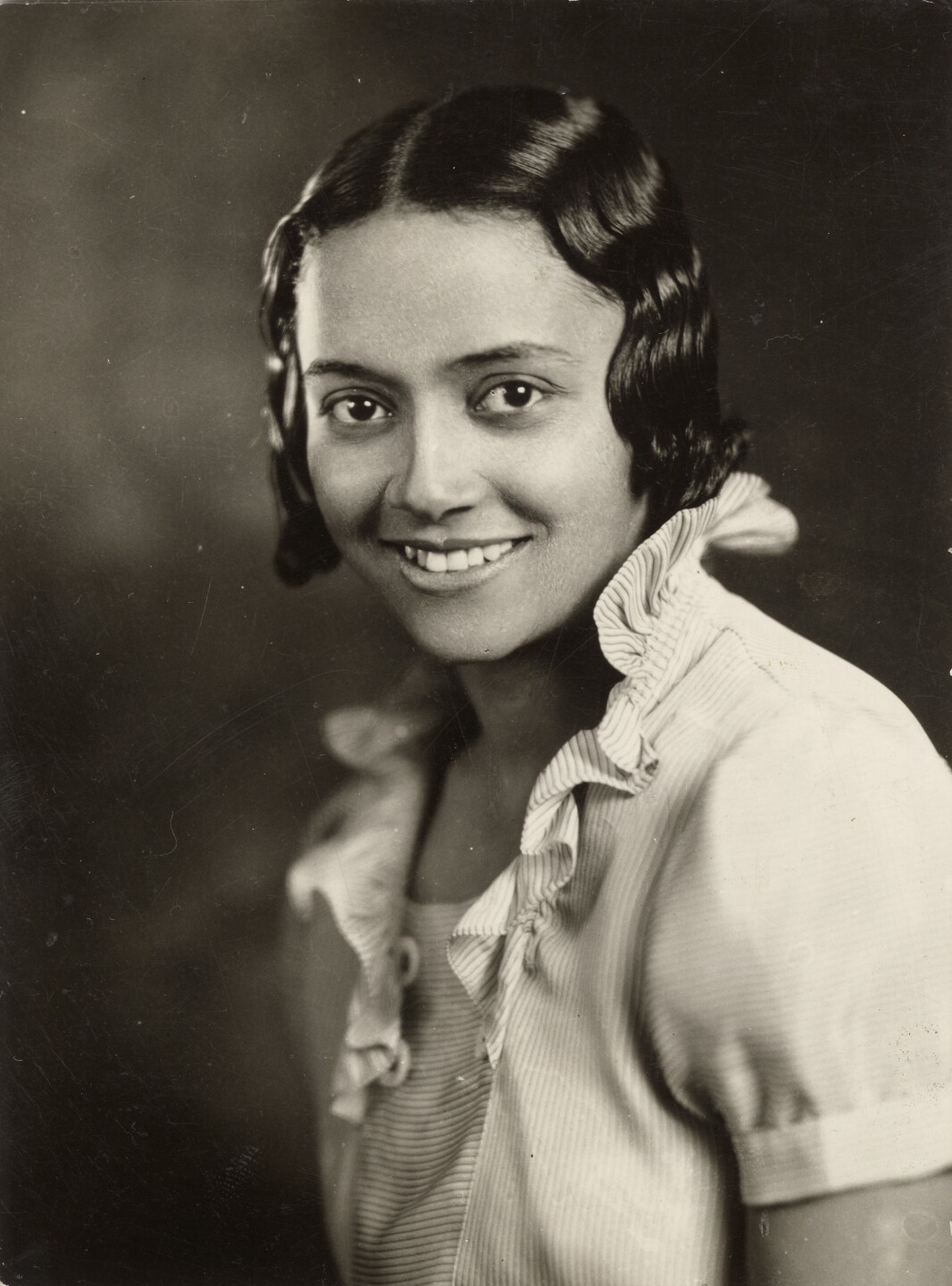
Capers attended Western Reserve University, now Case Western Reserve University, on a full scholarship. She became active in the Future Outlook League, a civil rights organization in Cleveland founded in 1935 by John Oliver Holly to help promote employment and civil rights for Black residents of the city.
After graduating, Capers taught health and physical education for five years, starting at the elementary level and finishing as a high school teacher.
In 1938, Capers, an athlete, won the Greater Cleveland Tennis Championship. Some eight decades later, America's oldest African American tennis club celebrated its 100th year by honoring the judge and renaming the club after her.
WATCH:
After winning the championship, she went to law school and, in 1941, married Clifford Capers. She received her law degree from Cleveland Law School in 1945 and passed the bar exam that same year.
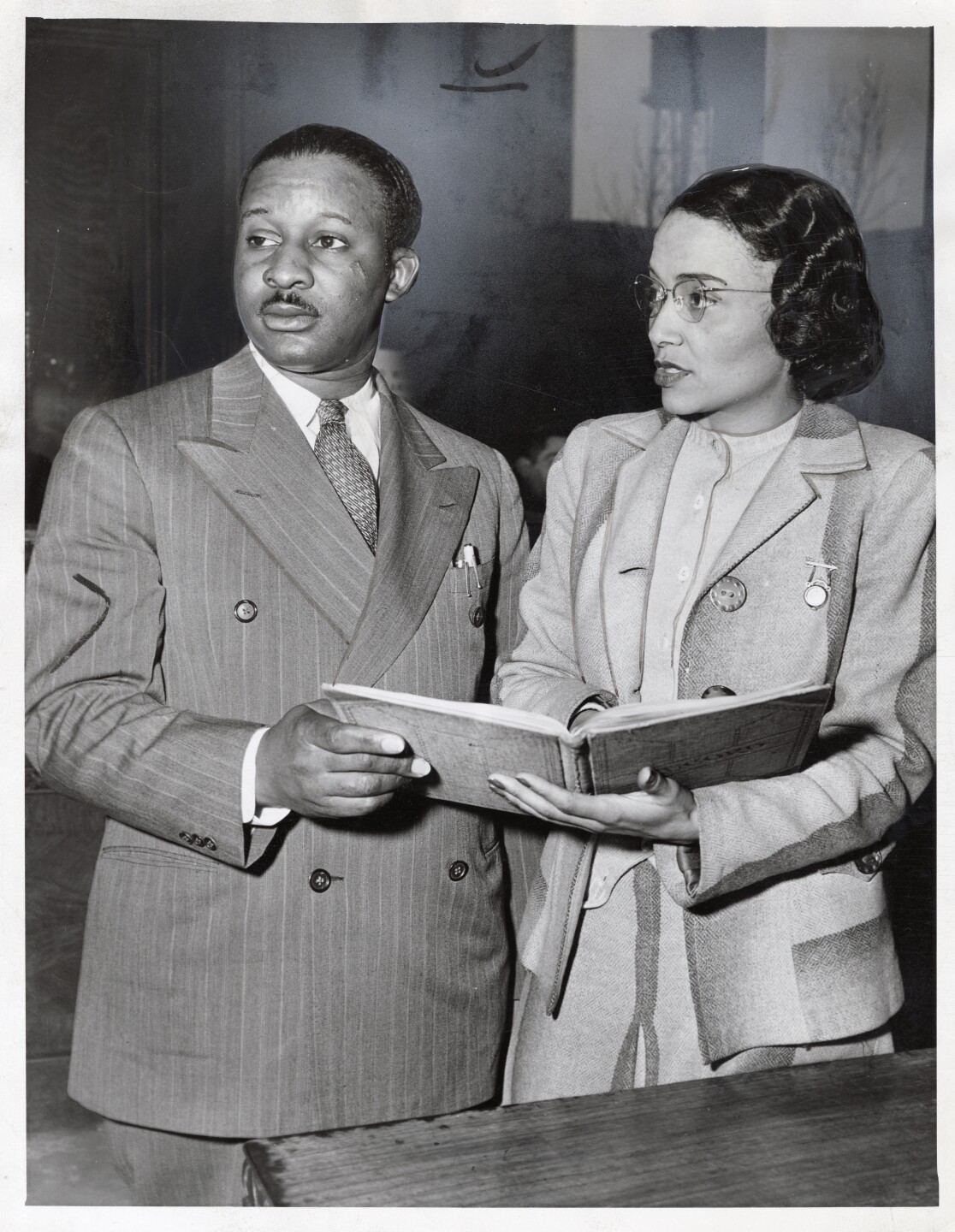
As she tried for council, Capers faced some challenges.
"When she first started off with running for council, she said she lost her first race," said Lamb. "So she said she went back, and she said they didn't think she was good enough at first."
Capers lost the race for a seat after running in 1945 and 1947.
In the meantime, she was appointed assistant police prosecutor in Cleveland by Mayor Thomas A. Burke.
Capers kept pushing for a spot in the council.
"They learned that she was good enough," Lamb said.
She became the first Black woman to serve on the Cleveland City Council in 1949. Capers, who ran as a Democrat, won the seat in a historically Republican area, representing the 11th Ward and serving for five terms.
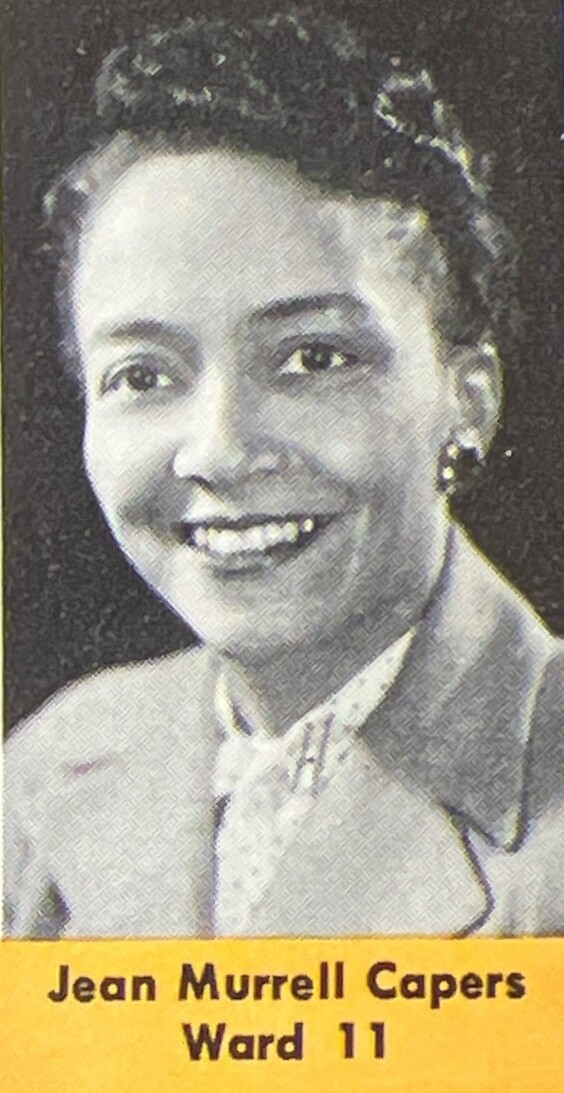
"At that time, terms for city council [were] two years apiece. So, she sat in city council for 10 years, till 1959 — when she became the assistant to the attorney general of Ohio," Lamb said.
While serving in city council, Capers was on the following committees:
- Housing
- Parks & Recreation
- Public Properties
- Legislation
- Finance
- Public Welfare
Capers was also the chairperson of the City Planning Committee.
She had her naysayers. During her time in council, she was criticized for ties to racketeering figures and for attendance at meetings. She also spoke out against the city's urban renewal program and said it destroyed Black neighborhoods.
After her time on city council, she continued to serve the public.
She was the assistant attorney general from 1960-64, and she believed that there should be more people of color in government positions.
This belief led Capers to voice her support for the man who would become Cleveland's first Black mayor — Carl Stokes.
Lamb said that Capers told Stokes he should run for mayor, to which Stokes said he wasn't sure whether he could make it. Lamb said she responded by telling him, "We're gonna help you make it."
In Stokes' autobiography, he said Capers was "one of the brightest politicians ever to come out of Cleveland." But they had a complicated relationship, according to Stokes, who thought Capers, at one point, was supporting him as a way to get herself back into power.
Stokes lost his first bid for mayor in 1965, but would later win the election in 1967, becoming the first Black mayor to lead a major metropolitan city in the U.S.
In that election, Stokes, the great-grandson of slaves, defeated Seth Taft, who was the grandson of former President William Howard Taft.
"She was the push for (Carl Stokes); she was the push for Louis Stokes ... it was a domino effect," Lamb said.
In 1977, Capers was appointed to the Cleveland Municipal Court bench by Gov. James Rhodes to fill an unexpired term. She was then officially elected to complete the remainder of the term and reelected again.
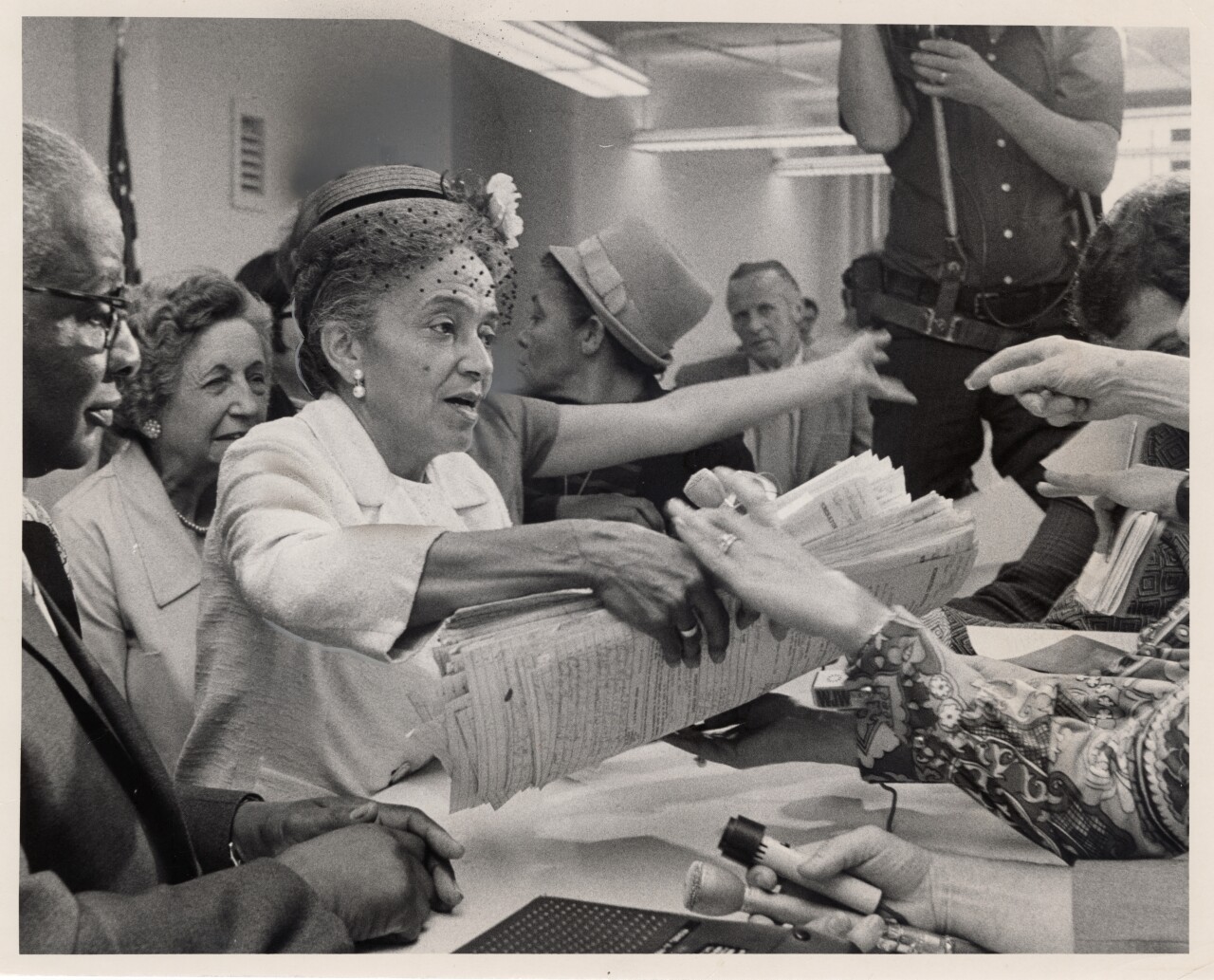
Lamb said Capers paved the way for more Black figures in Ohio to make history, like Stephanie Tubbs Jones, whom Lamb said he knew well, who became the first Black congresswoman from Ohio.
Capers ran as an independent at 85 years old for the Congress seat vacated by Louis Stokes, but lost to Tubbs Jones, who won.
Capers retired from her bench position in 1986 due to term limits.
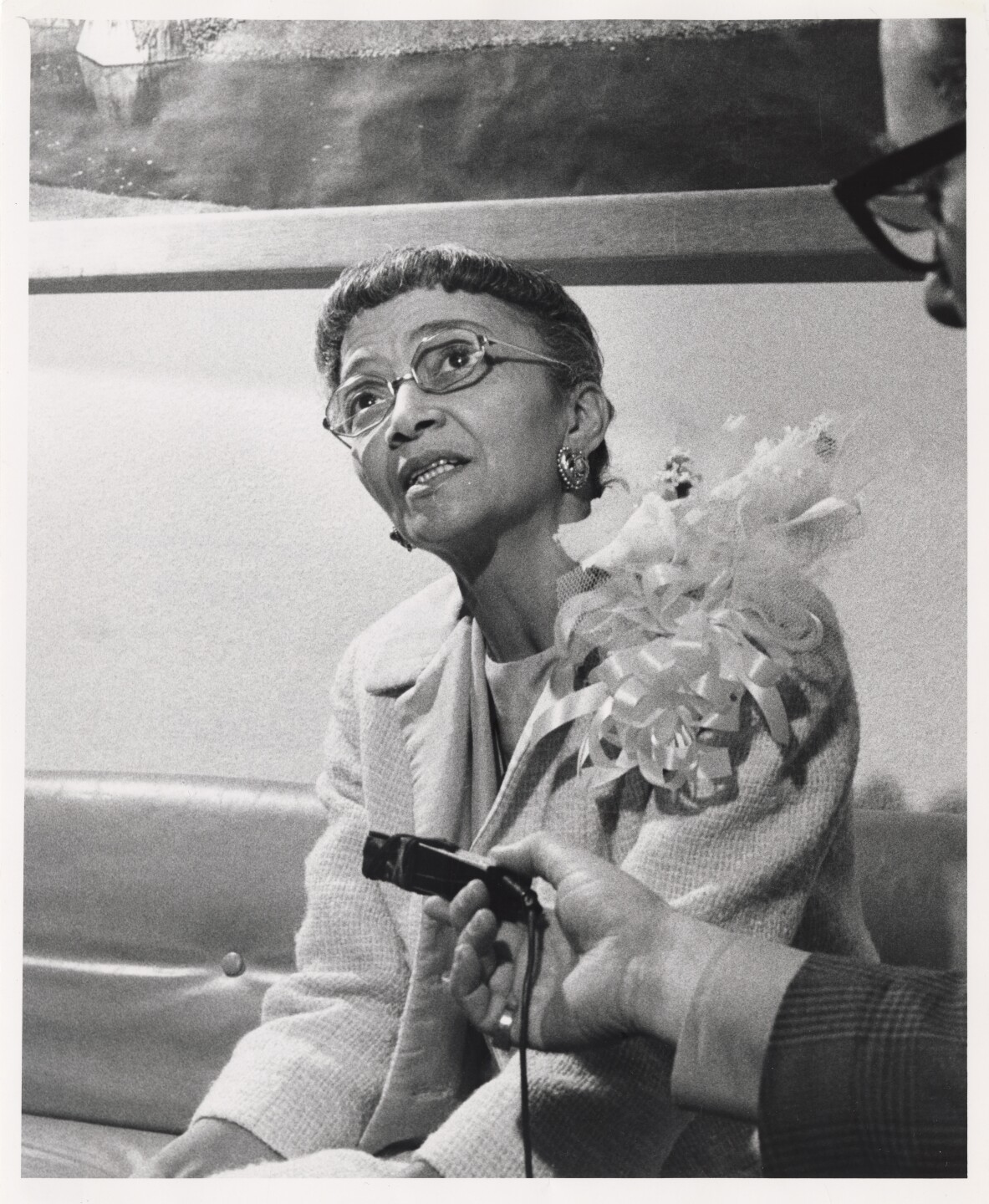
However, retirement did not mean the end of Capers' legal work.
She continued practicing law until 2011, and she received an honorary Doctor of Laws degree from her alma mater, Cleveland-Marshall College of Law, in 2009.
Capers received a lifetime achievement award from the Cleveland Young Women's Christian Association (YWCA) in 2014 for her many years in public life. The judge was honored and publicly recognized in the Ohio Women's Hall of Fame in 1997, as she was one of the original members of the Women's Advisory Council of the Women's Division at the former Ohio Bureau of Employment Services, now known as the Ohio Department of Job and Family Services. In 2011, Capers was the recipient of the Ohio State Bar Association's Nettie Cronise Lutes Award.
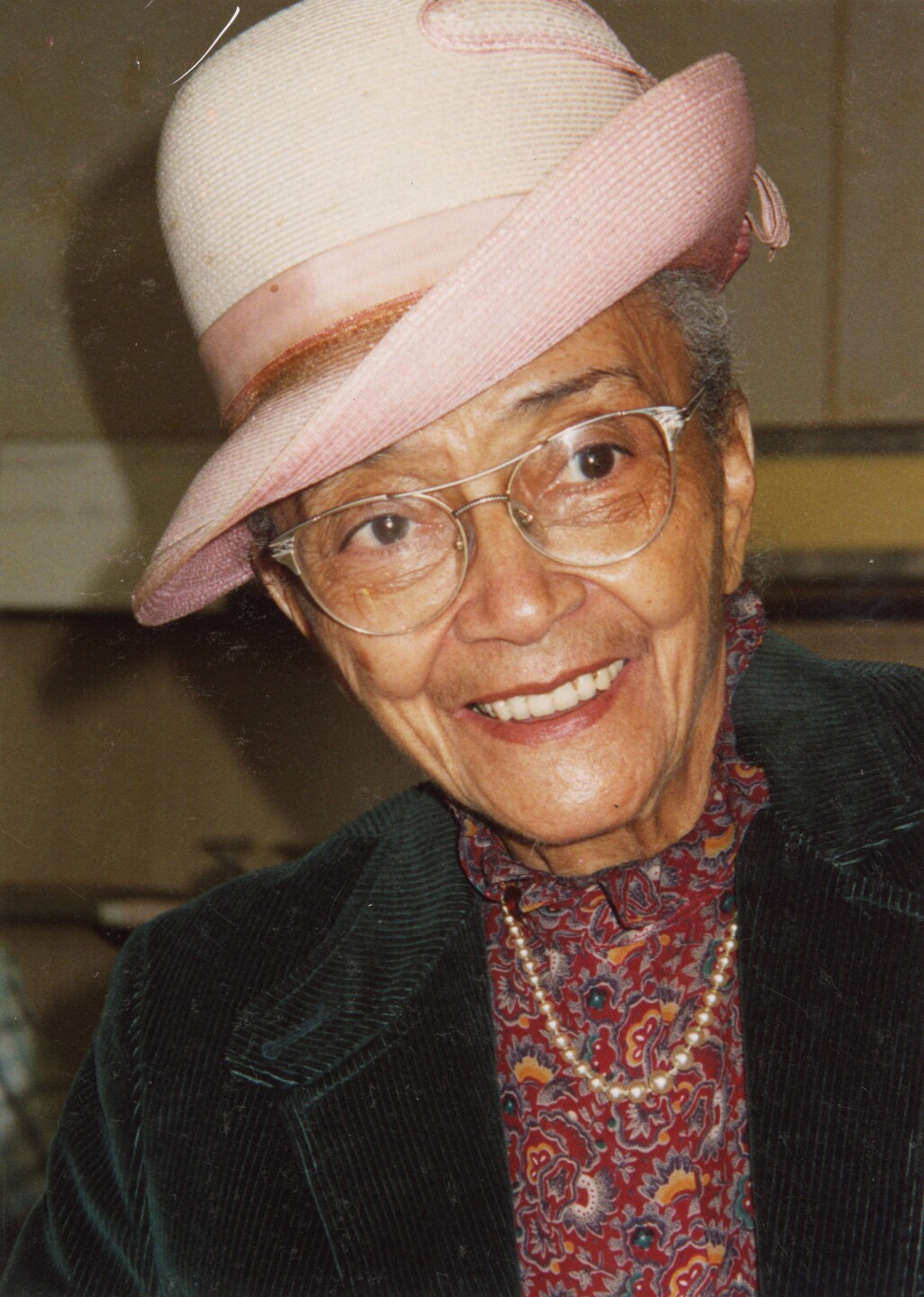
U.S. Rep. Shontel Brown said in an interview with News 5 that she had an encounter with Capers before she considered running for Congress.
"I had the honor of meeting her a couple of times. She was an attendee at a women's ministry conference where I spoke," said Brown. "I met her one day at the polls, the Stephanie Tubbs Jones polling location in Shaker Heights, where she told me, 'You're gonna go to a higher office.' And I think that was probably in 2014."
Brown mentioned how humbling it was to meet Capers.
"It was somewhat prophetic, but I think it speaks to her wisdom, her discernment, the power that she held," said Brown as she recalled the encounter. "It was actually amazing because at that time, she had to be in her 90s. And this is a woman who was still spry, who was still smart, who was still very much aware of everything that was going on."
According to Brown, Capers wasn't one to "tow the lines" or "back down" and wishes she could've been a fly on the chamber walls in 1949 to see her in action.
Brown talked about how Capers has impacted her today, "It keeps you going, because folks like Judge Capers and those who have come behind her and ahead of me set a foundation for us to be able to do the work. They had it much harder than we have, but they pushed through."
The congresswoman also offered words of encouragement to many, including young girls, looking to enter public service in the future.
"I would remind them that you're doing it for the people. Not for the power, not for the position, not for the title. And if you aren't about the people, the people aren't gonna be for you. So, you have to keep the people first," said Brown. "I think that that is... one of the distinguishing characteristics of Judge Capers and her legacy that will live— continues to live on long after she has left this earth."
Capers died on July 18, 2017.
According to former Cleveland Mayor Frank Jackson, Capers mentored future leaders and was an advocate and fighter for Cleveland and its people.
"I remember her as a person who required excellence, order and professionalism," Jackson told News 5 at the time of her death.
"As a City Councilwoman, Judge and community advocate, Judge Capers was an icon, a trailblazer, a fighter and a source of inspiration and pride to thousands. She will be truly missed," the Cleveland Chapter of the NAACP wrote in 2017.
Lamb, the Judge and the future
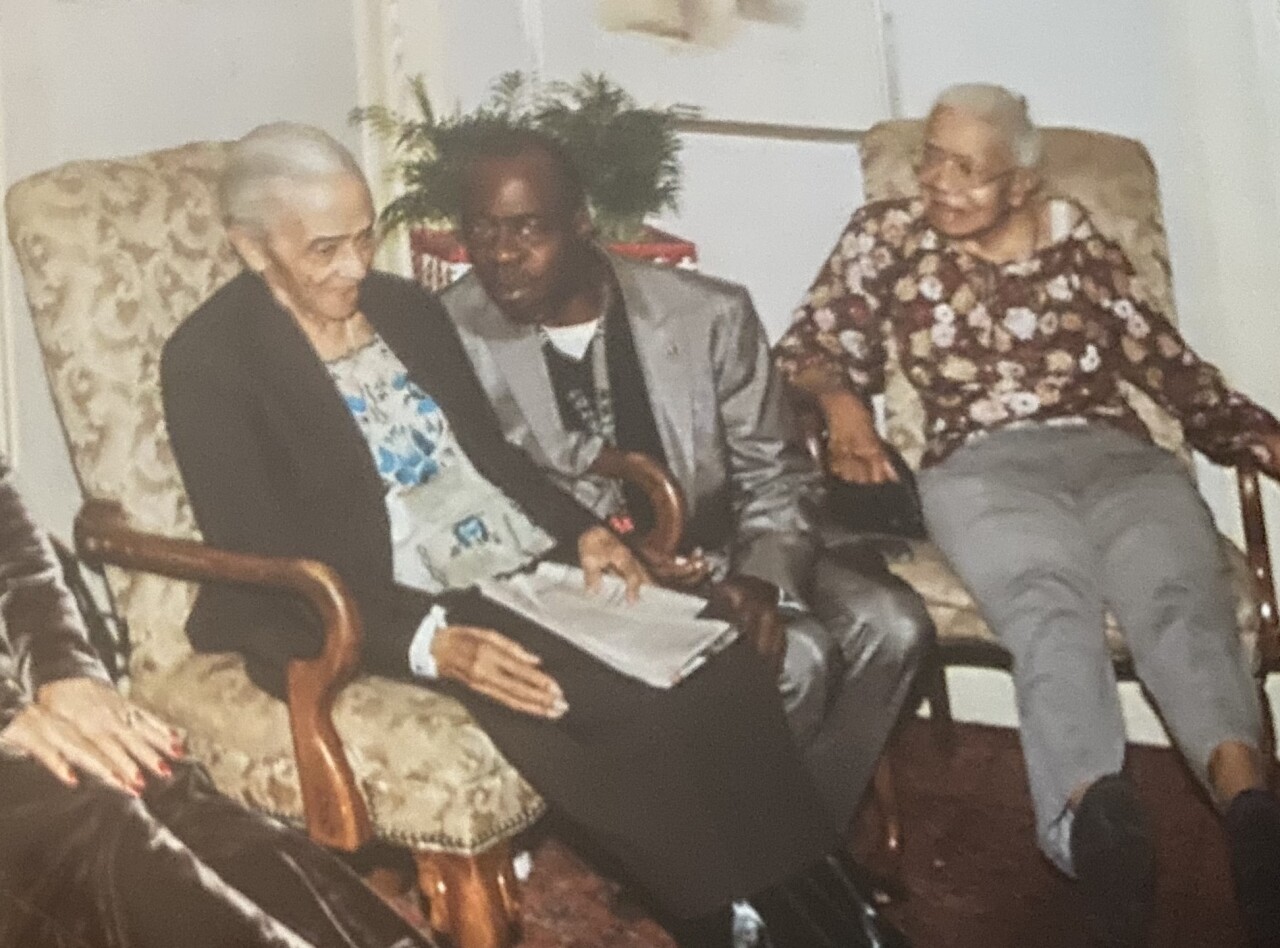
Lamb, a 67-year-old Cleveland activist, has worked in proximity to local government in Ohio since he was a teenager.
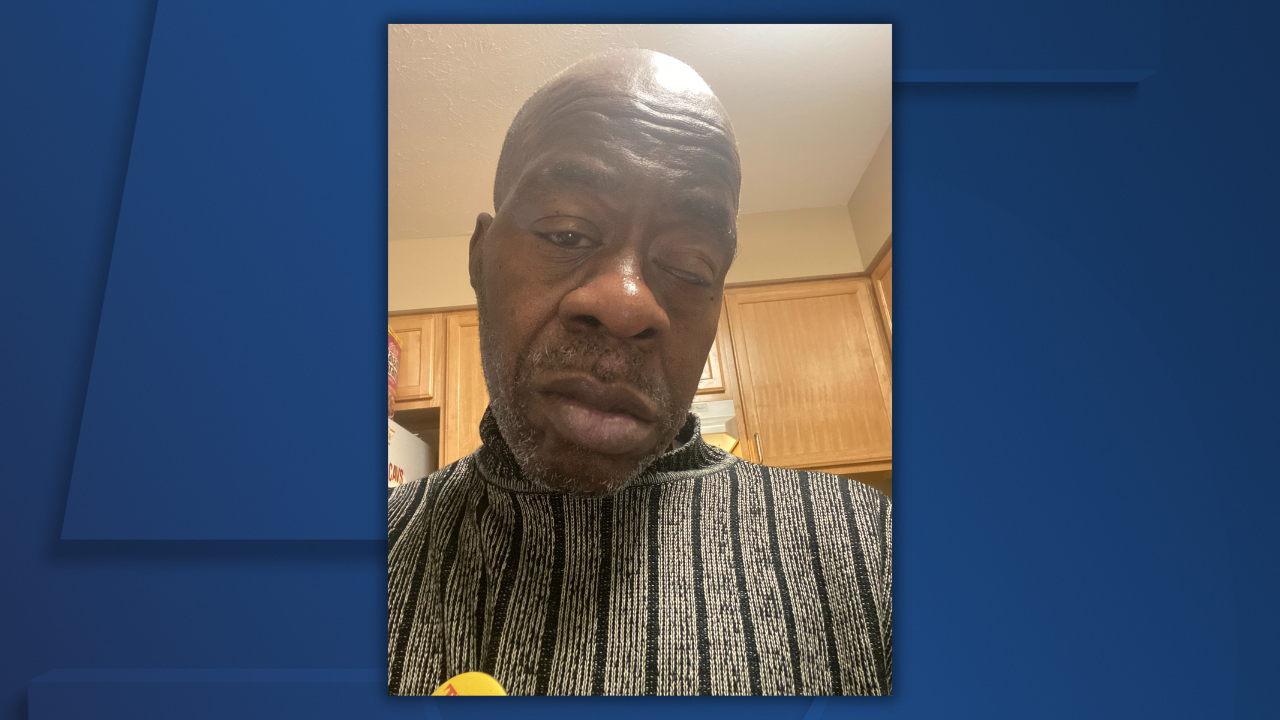
"I was a freelance photographer for many folks that was in city council," Lamb said.
But before he entered the world of photography, he had to face something that would leave a lasting effect on his life.
"I was born with cerebral palsy," said Lamb. "I was paralyzed for nine years of my life."
He moved from Pittsburgh to Cleveland when he was 10 and pursued an education at Nathan Hale School.
Lamb said that while he attended the school, he had an industrial teacher named Jimmy Johnson, who encouraged him to get into the visual craft.
"Mr. Johnson took me under his wing," said Lamb. "He was like, 'They're gonna be kinda rough on you, they're gonna try to treat you wrong... There's not a job out here for everybody,' he said, 'But there's an honest hustle,' he said, 'You're gonna learn from.' And so he taught me photography."
From then on, Lamb said he had the opportunity to work with other Black photographers in the city and eventually met someone who introduced him to members of the Cleveland City Council.
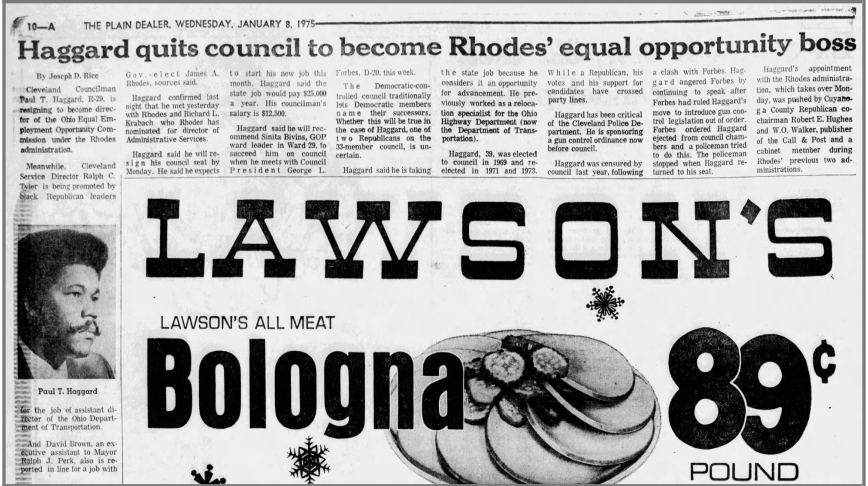
"There was a guy by the name of Paul Haggard that lived across the street from me who was a councilman in the City of Cleveland, and he showed me to everybody in the City of Cleveland as a photographer," Lamb said.
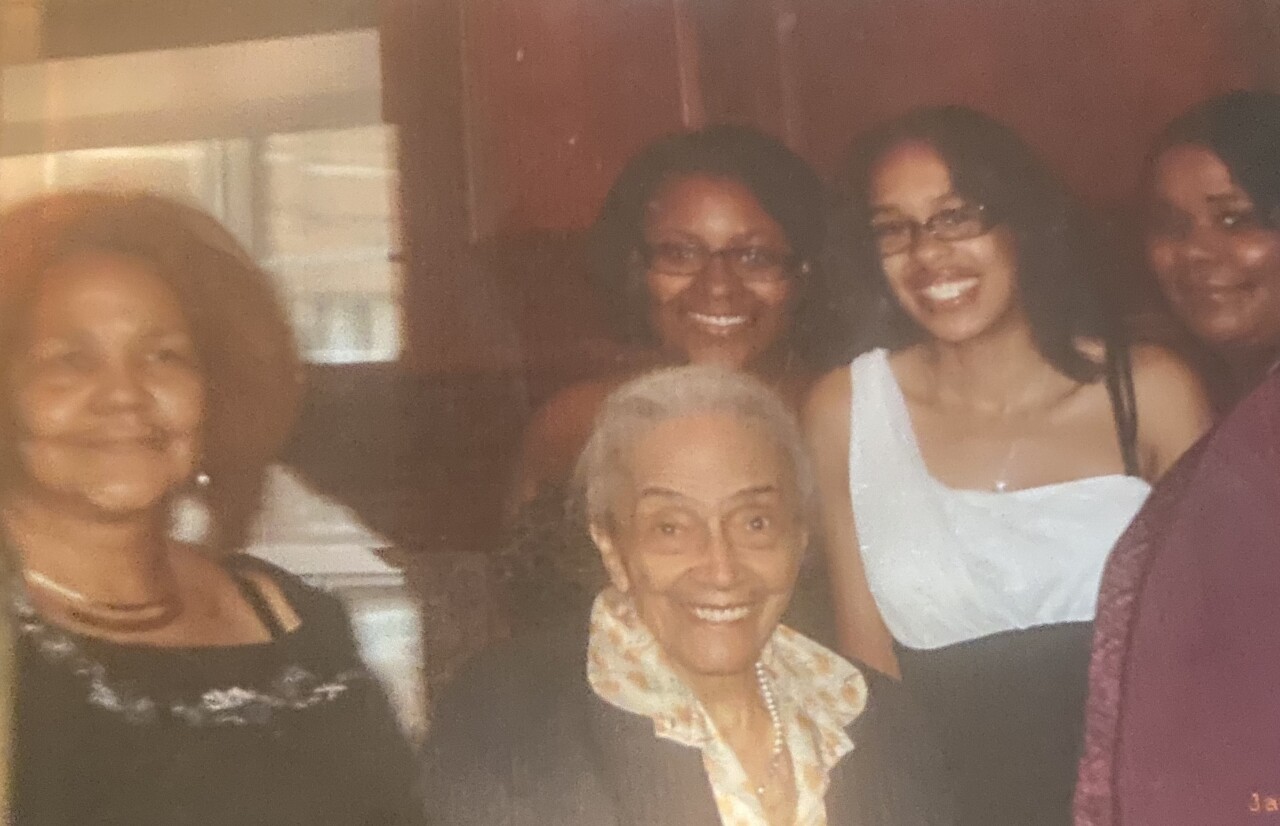
"It was a joy to know that I met... Carl Stokes, Louis Stokes and her (Judge Jean Murrell Capers), and they all were seeking something for the city at that point and time," Lamb said.
Lamb said that throughout Cleveland's history, different figures have had schools and buildings named after them, while Capers has not yet received the same level of recognition for her work in law.
"Judge Capers was the matriarch of the political world for Blacks in the City of Cleveland," Lamb said. "I think she was more than everyone gives her credit for. That's why I'm fighting."
Lamb praised the judge for what she has done for the people of Cleveland.
"This woman put other children through college on her and her husband's income because she couldn't have babies," said Lamb. "She offered to put my daughter and my son through college."
"Jean Murrell Capers deserved everything that she ever asked for because Jean Murrell Capers fought with all she had," Lamb said. "She knew that she could win whatever she put her mind to by a good fight, and she put up a good fight, and she won with a good fight. And then when she seen Blacks trying to enter the world of government, which they call politics today, she took them by their hand and she fought with them till they became what they wanted them to become."
Lamb said the judge always gave him words of encouragement.
"I hold her greatly in my heart, knowing that she always was telling me one thing; 'Baby, you can do it,'" Lamb said. "I would describe Judge Capers as someone that was loving, fair, as honest as she could be and someone who had a strong background in faith."
He added, "...I ended up being her photographer until she couldn't take no more pictures. The last picture I took of her (at her home) is the one of her coming off the porch."
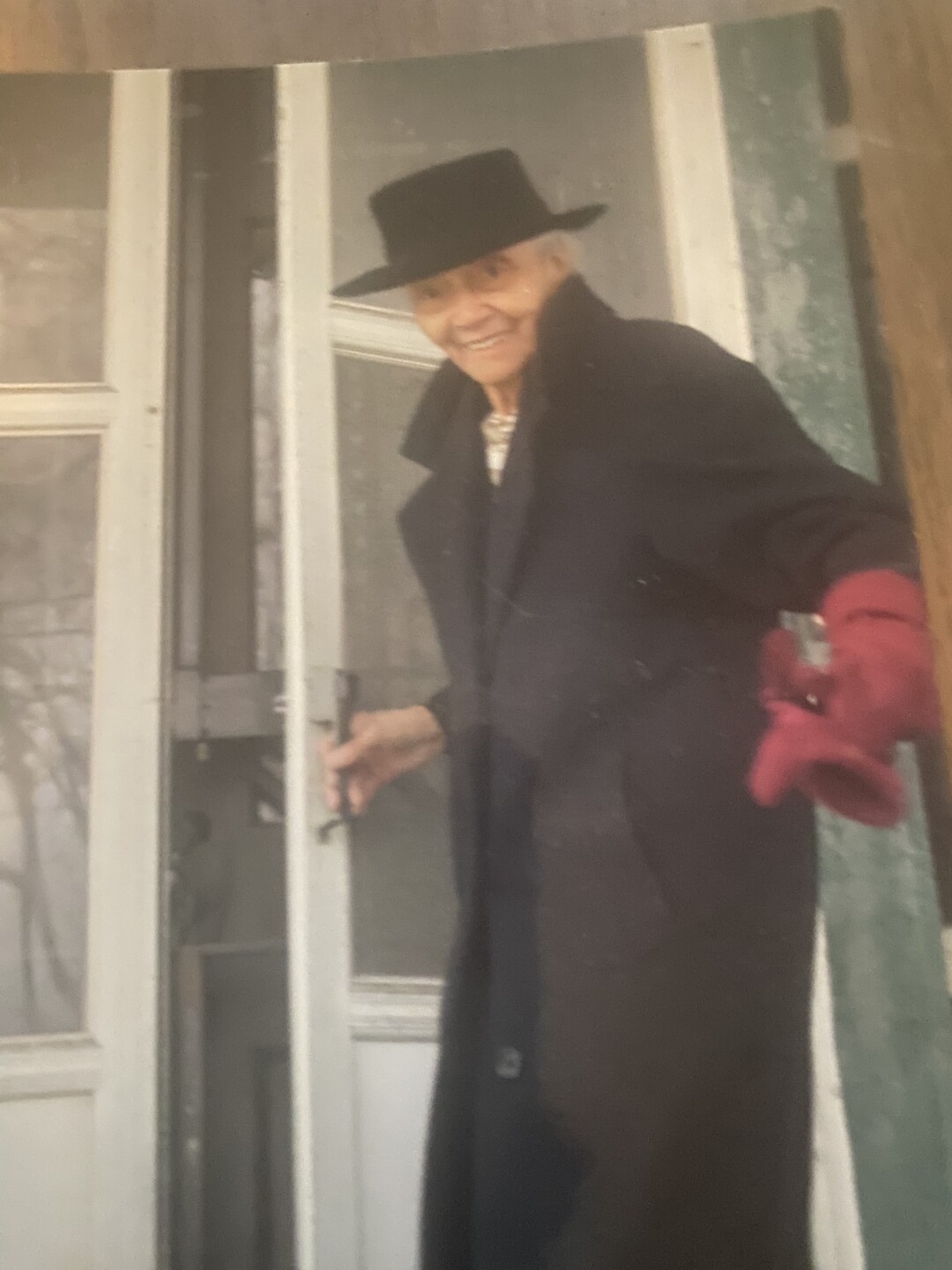
In her later years, Capers remained politically active in the community, advocating for women, especially Black women, in public life. And before she died, Lamb said she left him with one wish.
"The last thing she told me, she said, 'If I wasn't dying, I would put together a battered woman's shelter in honor of the young girls, children that's being abused. I would do that,'" Lamb said.
According to Lamb, he told the judge it was a shame she would not be able to make the shelter happen, but he said the judge told him it would, "(She) said, 'You're gonna do it.'"
Lamb said he's in the process of seeking sponsorship for a women's shelter in the city as he works towards his "godmother's" goal.
That's something Rep. Terrence Upchurch (D-Cleveland) is on board for.
"I support James 150% on the project as well as the programming," Upchurch told News 5.
He said that he's known Lamb for a long time and wants to help him take the right steps to bring the shelter to fruition.
Although Lamb wants to honor Capers, other factors are also motivating him.
"Folks ask me, why do I want to do a women's shelter, and why won't I do a men's shelter since I'm a man? I tell them, my godmother asked me to do it; it was one of her last requests to me before she died,' said Lamb. "I have four daughters, three living ... I have six granddaughters. So, the world can never tell me that one of them may not need this."
Lamb is still in the early stages of turning his godmother's wish into reality, but there is something keeping him going.
"She told me she said, 'You gotta remember that no weapon formed against you shall prosper,'" said Lamb. "So, I run on that today."
Editor's note: Biographical information in this article was pulled or verified from the following sources:
1. Case Western Encyclopedia, 2. Teachingcleveland.org, 3. CSU Law Hall of Fame 4. Cuyahoga County Board of Elections, 5. The Kentucky African American Encyclopedia, 6. Promises of Power: A Political Autobiography 7. Cleveland City Council Archives. 8. Cleveland Public Library/Photograph Collection.
