





MONROEVILLE, Ohio — At the American Legion Hall on Monday night, the tables were covered with data-center fact sheets, labor-union brochures and plastic-wrapped sandwiches.
People walked past a series of stations focused on everything from power use and cooling technology to predictions about cash windfalls for local government and schools.
Decimal Digital, a New Jersey-based developer, hopes to bring a billion-dollar data center to Monroeville, a Huron County village of roughly 1,300 people. The company bought 48 acres in the Fort Monroe Industrial Park last year and is trying to move a project forward.
But Monroeville has a moratorium in place. That yearlong pause on new data center projects doesn’t end until March, leaving the developer in a bit of a holding pattern.
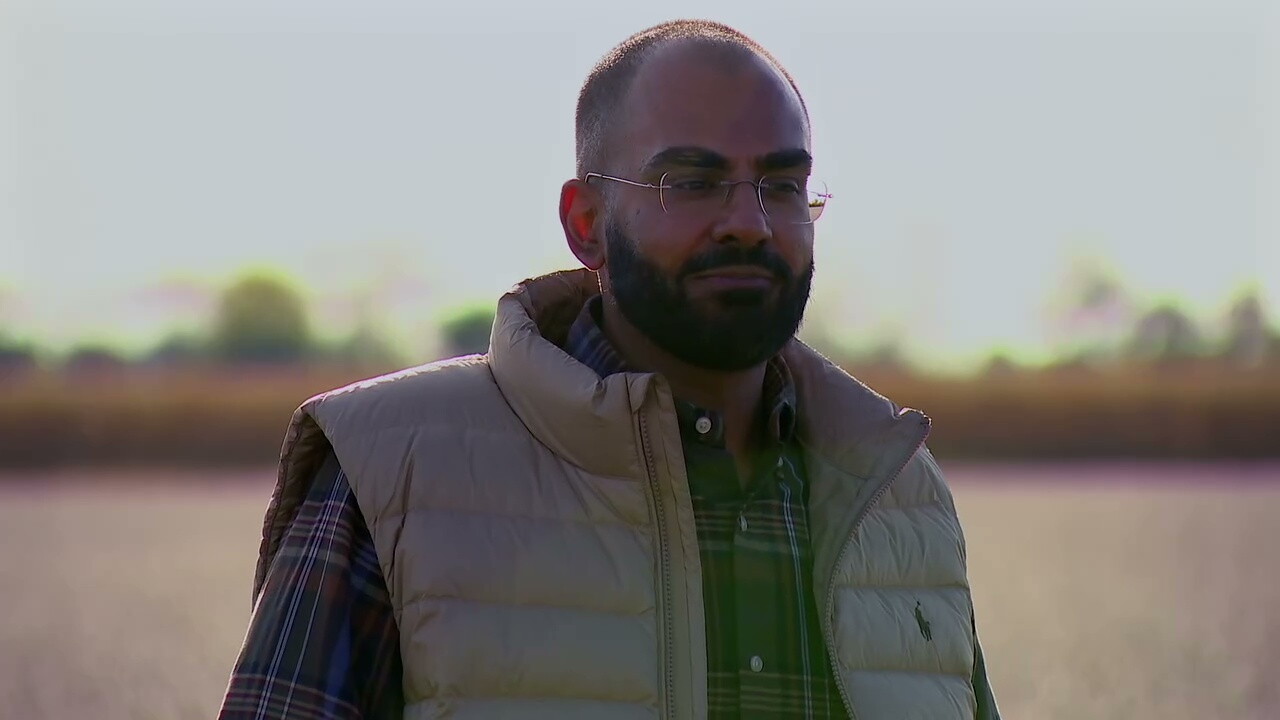
“What we want to do is make sure that we make ourselves available,” Roshan Shah, Decimal Digital’s CEO, said during an interview Monday. “We’re here to answer questions. We have absolutely nothing to hide.”
The village also is one of 18 Ohio communities where data centers are on the Nov. 3 ballot. An “advisory measure” is designed to gauge public sentiment, without changing any laws. It’s basically a straw poll, asking voters if the village should allow new development.
Based on the crowd at Monday night’s meeting, that sentiment is decidedly mixed.
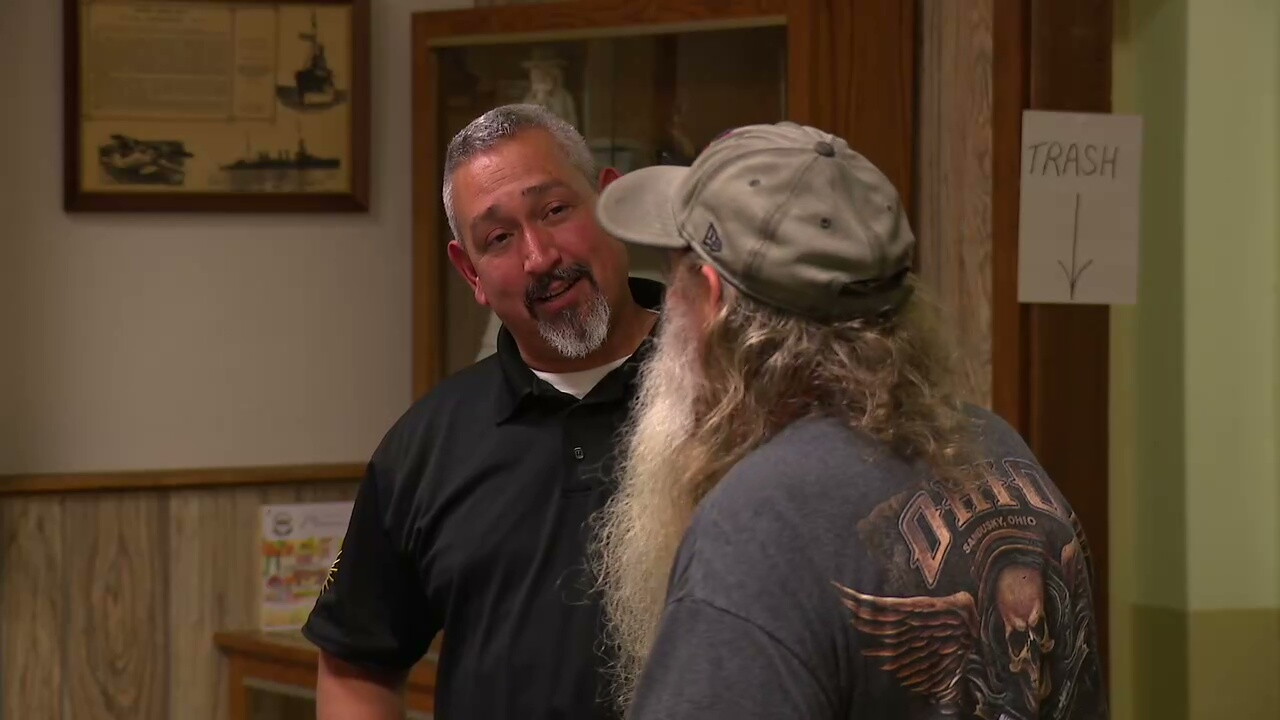
“I think it’s coming, whether we want it or not,” Kenneth Bischoff, who lives nearby, said of the data center boom. “I guess if a community’s gonna get the money, it might as well be our community.”
But Kevin Stoddard isn’t sold on the deal, even though he works in construction — an industry that’s broadly backing data center development. He moved to Monroeville for the farmland, to get away from large buildings, traffic and noise.
“Build it in Cleveland,” Stoddard said. “Or build it in Toledo. Just not in the middle of nowhere.”
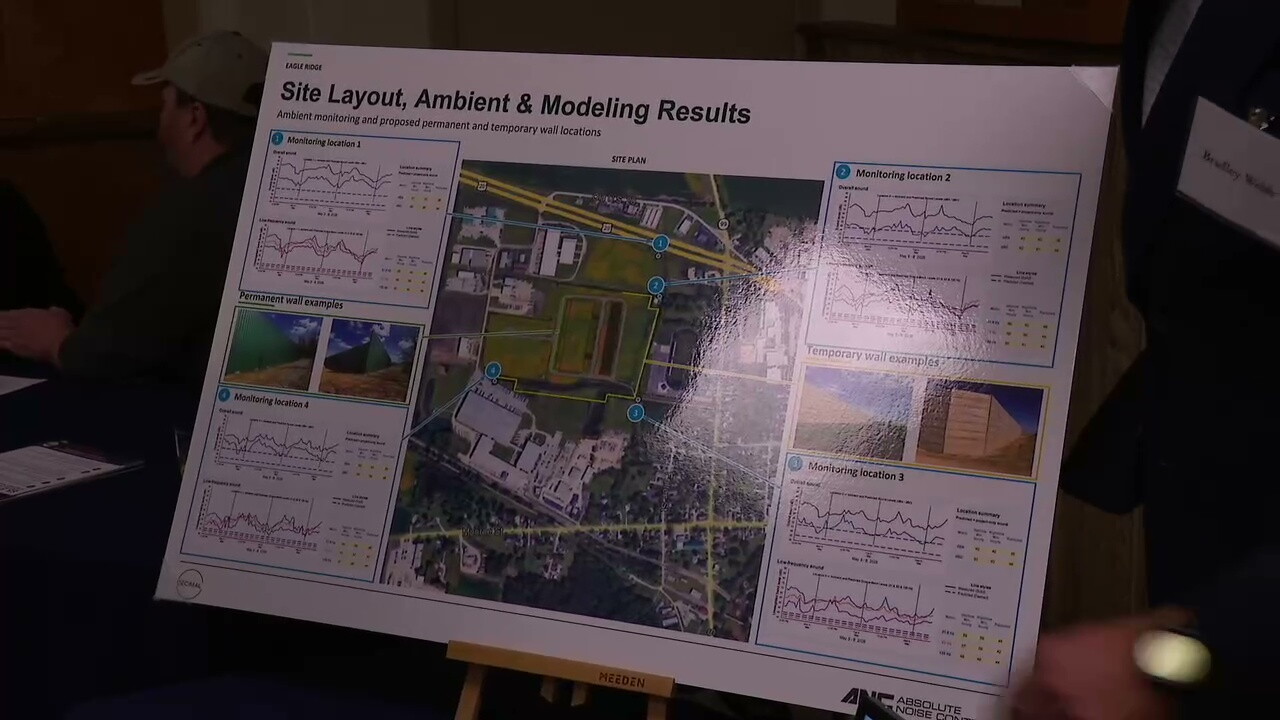
Decimal Digital is proposing a 100-megawatt facility. That’s enough power to supply roughly 80,000 U.S. households. A conceptual site plan shows a single computing hall with an on-site power substation next door. The facility would employ roughly 50 people, with an average salary of $80,000, according to a handout distributed at Monday night’s meeting.
The project would require more than 500 construction workers.
“I’ve never seen work like this in my 30 years that I’ve been in the trades,” said Jim Adams, who lives in nearby Norwalk and works as an organizer for IBEW Local 129, a union that represents electricians. “And for it to come to the farmland out here is impressive.”
While some of his neighbors and members see an existential threat, Adams sees the potential for progress and prosperity.
“There’s no such thing as a perfect project,” he said. “But if we all work together, I think we can make it pretty darn good for us.”
Monroeville Mayor Joseph Galea declined an interview request from News 5 before Monday night’s open house. An attorney for the village attended the event but declined to discuss the project.
Shah said the development team is trying to work with village officials.
“And we hope that, based on the information available to the administration, they will make the right decision,” he said.
Decimal Digital is asking for 100% property-tax abatement on the project.
But the developer is offering to make payments to replace those tax revenues, with the money going to the village and the schools. The company’s proposal says the schools would get at least $500,000 a year, while the village would receive at least $250,000 a year.
“The idea of a good tax base for the schools, so they don’t come and have to ask us for more money all the time is quite a plus,” Bischoff said. “Money for the village to make improvements is a big plus, also.”
A document distributed at the meeting indicates that Decimal Digital hopes to work with a port authority on financing, to get a sales-tax break on construction materials for the project. As part of that transaction, the developer would set aside $3 million for an up-front payment to the village.
And the company is offering to pay slightly more than the going rate for the power it uses. Those “rider fees” would flow into a special fund controlled by the village. Monroeville has its own electric utility that supplies power within the village’s boundaries.
At this point, those are all just proposals. There’s no agreement in place.
“I just want people to hear what we’re saying, really process that information and keep an open mind,” Shah said.
He’s not expecting the response to the ballot question to be favorable. There’s fierce pushback against large-scale data centers across Ohio.
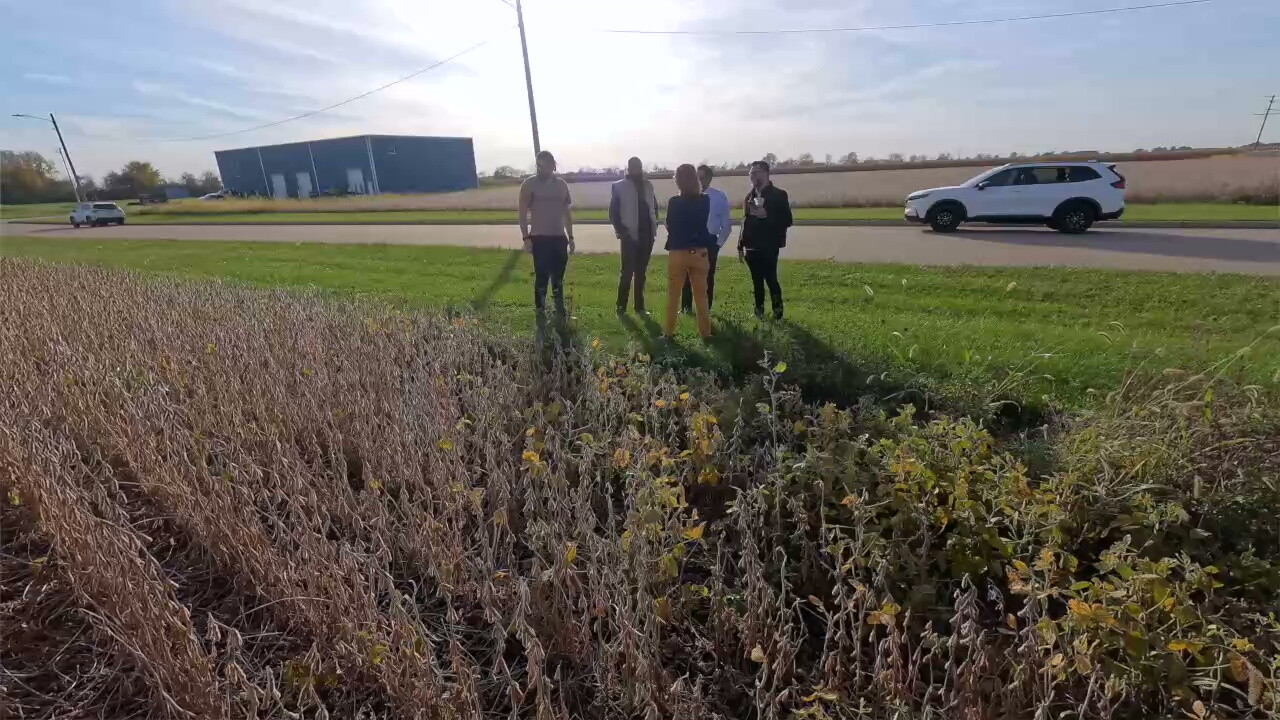
And Monroeville’s already dealing with a troubled cryptocurrency mining operation in the Fort Monroe Industrial Park, across the street from Decimal Digital’s site.
That mining facility — a collection of container-like structures filled with computing equipment — is part of a legal mess tied to a company called Gray Matter Holdings. At this point, the property is controlled by a court-appointed receiver.
Decimal Digital is a tenant at the crypto-mining hub. The company is competing to buy the property through the receiver, with hopes of cleaning it up.
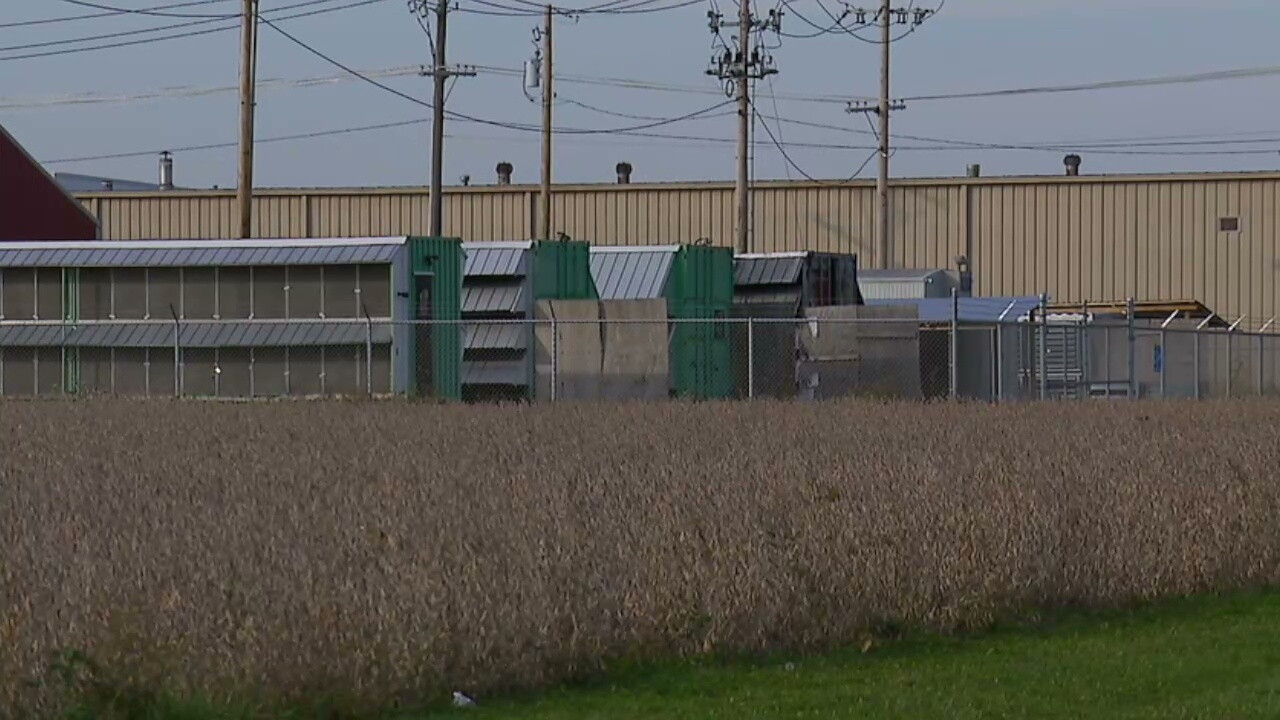
“What you see there today, what you hear there today, erase that from your mind, because that is an antiquated bitcoin-mining site with legacy equipment that must be replaced,” Shah said. “It is loud. I would say it’s unbearably loud.”
He stressed that the data center would look — and sound — nothing like that.
“I’m a real estate developer by background, so I believe in building beautiful things,” he added. “I want this to be not just your cookie-cutter box. I want to build an architectural masterpiece. … I want this to be known throughout the country as one of the best-looking data centers that exists.”
For people who live nearby, there’s still a lot to consider.
“These meetings … they tell you what you want to hear,” said Stoddard, who would have preferred a more formal question-and-answer session to Monday’s science fair-style presentation.
“The village of Monroeville doesn’t have the money to fight a multimillion-dollar company,” he said. “They know it. I know it. … If they do something wrong, how do we hold them accountable? Who’s gonna do that?”
Michelle Jarboe is the business growth and development reporter at News 5 Cleveland. Follow her on X @MJarboe or email her at Michelle.Jarboe@wews.com.
