



CLEVELAND — It doesn’t necessarily look like much. A white car with “City Support Vehicle” written on the doors and two cameras on the roof.
Watch the video below:
But the retrofitted Ford sedan is part of Cleveland’s escalating push to fight blight. For almost a year, it’s been traveling city streets, taking pictures of every property it passes.
Artificial intelligence scans the photos for dozens of potential red flags, from out-of-control grass to collapsing porches and illegal dumping. Then city officials review the pictures to see if there’s really something worth pursuing.
“We’re trying to chase down the bad actors. And we’re trying to work with the good actors. And this makes it way easier,” said Dennis Butler, who deals with code enforcement as manager of the demolition bureau in the Department of Building and Housing.
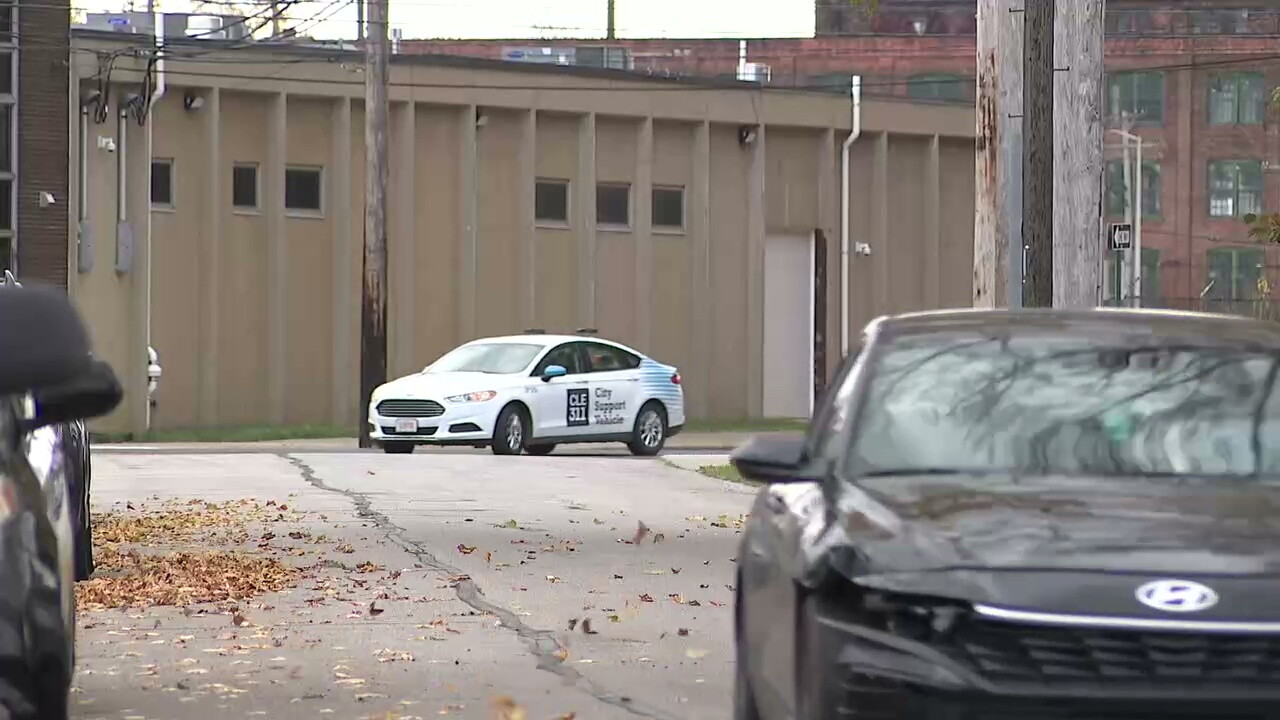
In late 2025, Cleveland teamed up with City Detect, an Alabama-based company that uses visual AI to help local governments monitor property conditions. Their yearlong pilot project, paid for by an $85,000 grant from the Rocket Community Fund, is scheduled to end Feb. 1.
So far, the results are promising, said Doug Meil, Cleveland’s assistant director of Urban AI.
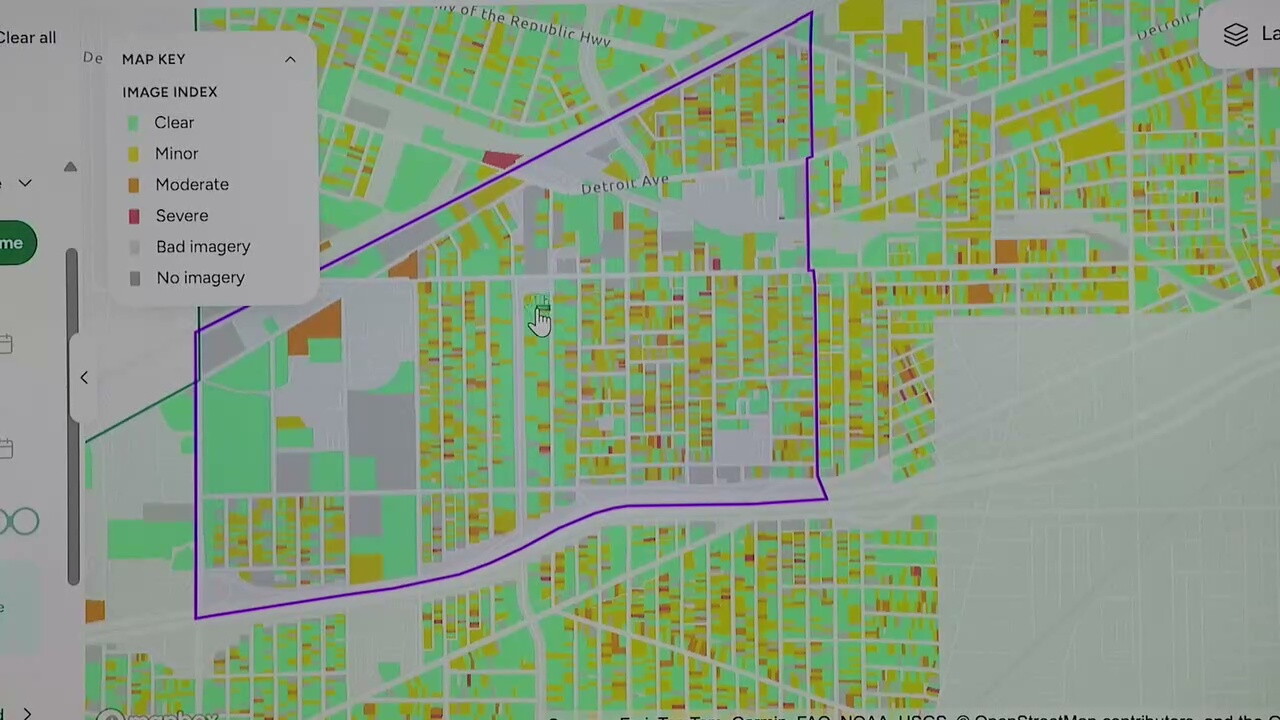
City Detect’s data dashboard shows the car, driven by city workers, has snapped multiple images of more than 150,000 properties. Most of those photos were high-quality enough for AI to analyze. The system identified possible concerns at 46% of the parcels.
In some of those cases, there’s no reason to follow up. For example, the artificial intelligence recently flagged potential violations, including a missing door, at a construction project on the East Side. But there’s no door yet because the building isn’t finished.
In other cases, though, the pictures justify sending out an inspector to get a closer look at a house — or dispatching a crew to clean up a pile of tires.
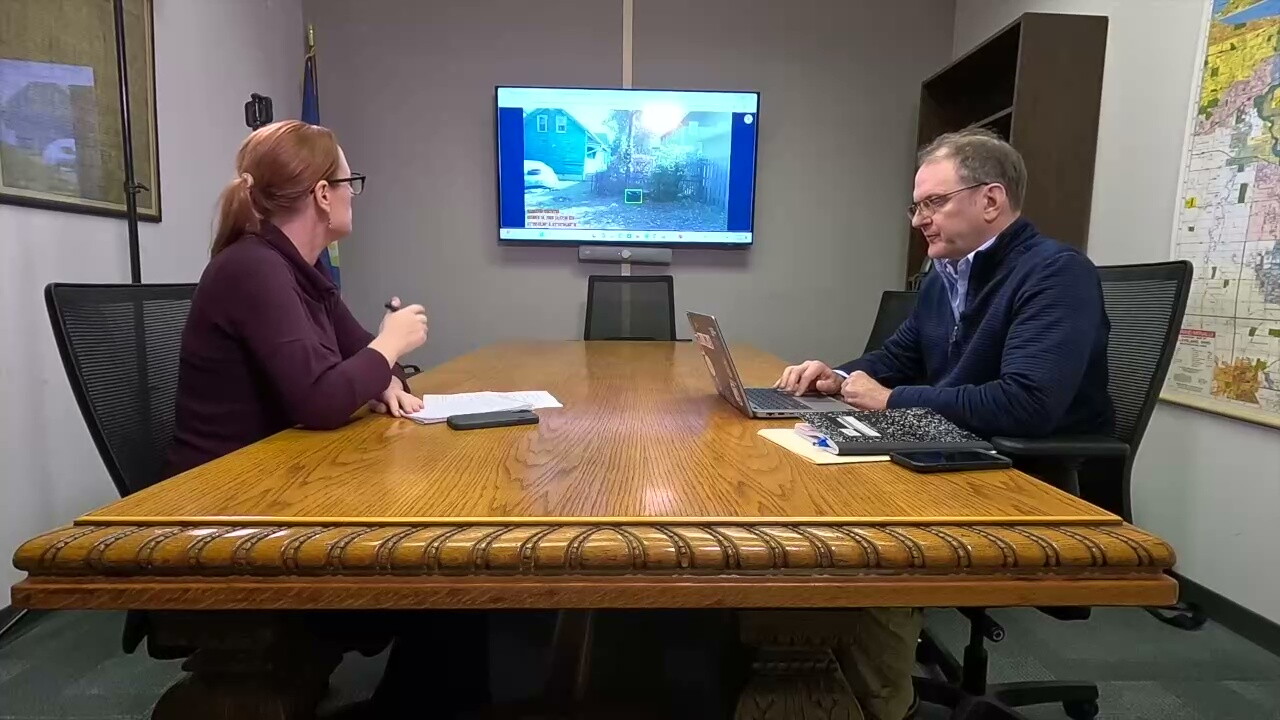
“Nobody is cited based purely on the submissions from the car,” Butler said. “Everything is confirmed. … This is merely bringing something to our attention.”
Cleveland's last old-school citywide property survey took place in 2022, through a partnership between the city and the Western Reserve Land Conservancy. It cost $170,000 and took roughly six months to complete, with support from 40 inspectors.
“It was expensive and time-consuming,” Meil said of that hands-on approach. “The prior one was done in 2015. Every seven years is not a great cadence to be able to keep track of 158,000 parcels.”
The pilot contract with City Detect costs half as much. It requires two drivers, who take turns.
They can canvass the whole city several times a year, driving 25 to 35 miles per hour. That gives inspectors access to much more recent images — and enough data to track property conditions over time.
“It’s just more efficient. It’s less expensive,” Butler said. “And the ability to update it continuously, that’s really where the value is, in my opinion.”
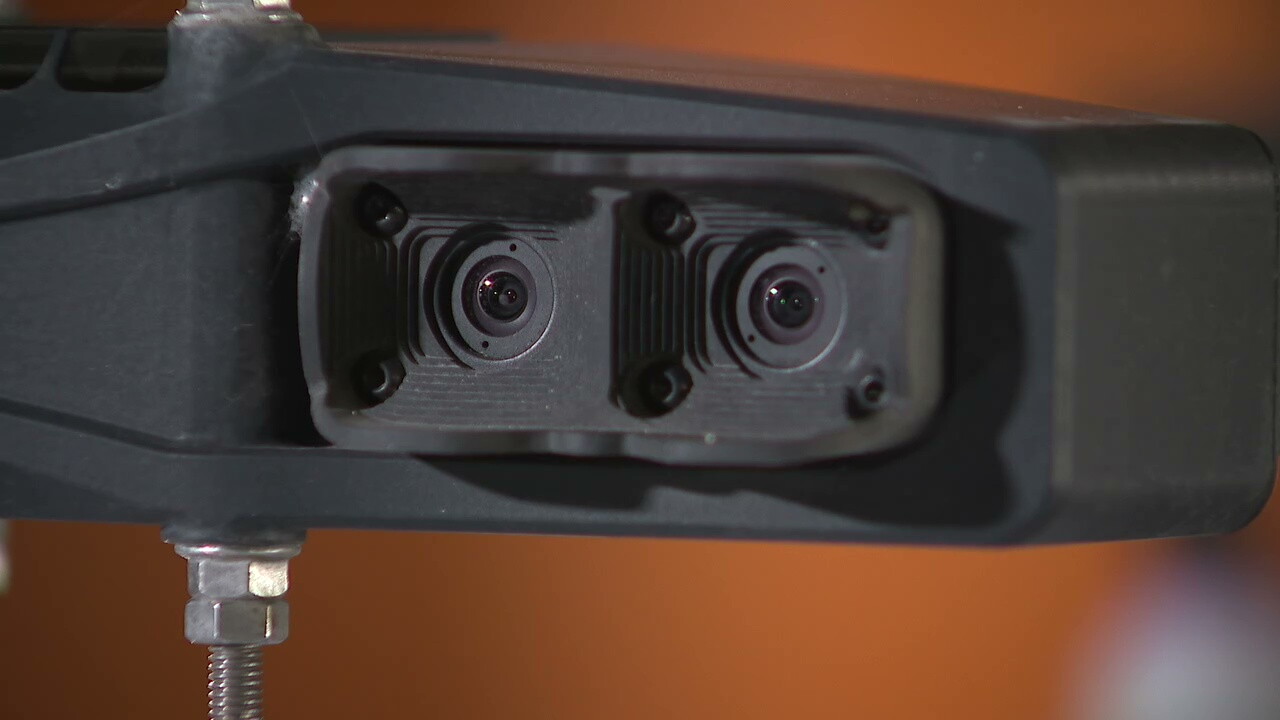
The cameras only take pictures — not videos. City Detect’s system blurs out people’s faces and license plates. And city employees don’t see the images until the day after they’re captured. There’s no real-time monitoring.
“This is all about buildings. This is all about tires. This is all about detecting graffiti,” Meil said. “This is not about tracking individuals.”
Officials compared the program to the Google Maps Street View feature — with a layer of analysis.
“This is all taken from the public right-of-way,” Butler said of the photos. “Just like an inspector would take. It’s even less intrusive, because it’s from the street. An inspector could walk around. He could ask neighbors for access and things like that. We’re not doing that here. But we do have a front-facing photo of the property.”
The Cleveland 311 team, which deals with non-emergency complaints and service requests, recently started using the City Detect system to track roadside trash. Other cities tap the technology to identify everything from potholes to hurricane damage.
Unlike Dallas, which deployed 100 City Detect cameras on sanitation trucks this year, Cleveland tiptoed into testing artificial intelligence for code enforcement.
“The advice that everybody has on AI projects — or really any analytic project, for that measure — is to start slow and iterate,” Meil said. “And I think we’ve done that. I think we’ve done that well. … Let’s get the data. Let’s validate that it works. Let’s make multiple passes to see how consistent it is. And let’s be careful about what we’re saying in public and make sure that it’s accurate. So we’re taking it slow.”
It’s still unclear whether the technology will become a permanent fixture in the city’s code-enforcement toolbox.
“We’ve got a couple more months left in the pilot,” Meil said. “And we are assessing the year-two plan.”
Michelle Jarboe is the business growth and development reporter at News 5 Cleveland. Follow her on X @MJarboe or email her at Michelle.Jarboe@wews.com.
