



CLEVELAND, Ohio — Imposters posing as real Cleveland city employees are trying to squeeze thousands of dollars from people.
Watch the full video below:
They’re targeting people who need things approved, like a building permit, or have to pay a civil fine.
In August, complaints started to trickle in and then surged in the past couple of weeks to more than two dozen.
Cleveland city spokesman Tyler Sinclair called it a sophisticated scam in which fraudsters send fake emails impersonating real, high-level people, including the city’s planning director.
Phony invoices demand payment through wire transfers.
“The city will never, never, never ask you for a wire transfer,” Sinclair said.
“We’ve seen requests for 11, 12, 13 thousand dollars to just get a building permit approved. That is not even close to the amount,” Sinclair said.
Sinclair says the scammers are altering city email addresses by jumbling letters or adding characters. The domain is another giveaway.
“Right here, you can see our city planning director and her email address where it says .clevelandohio.gov@USA.com. That is a big indicator,” Sinclair said.
And targeting people connected to actual projects.
“The more targeted and the more accurate, the more it aligns with what you expect, the more likely you are to fall for it,” cybersecurity consultant Alex Hamerstone said.
Hamerstone says scam attempts are becoming more targeted because so much information is available online.
“AI has made that much easier because it’s much easier to do large amounts of research,” Hamerstone said.
In this case, targets can include homeowners, landlords, and title companies doing business in Cleveland, even if they don’t live there.
“So these could be title companies and landlords living in Middleburgh Heights, for example, or Parma or Euclid, wherever,” Sinclair said.
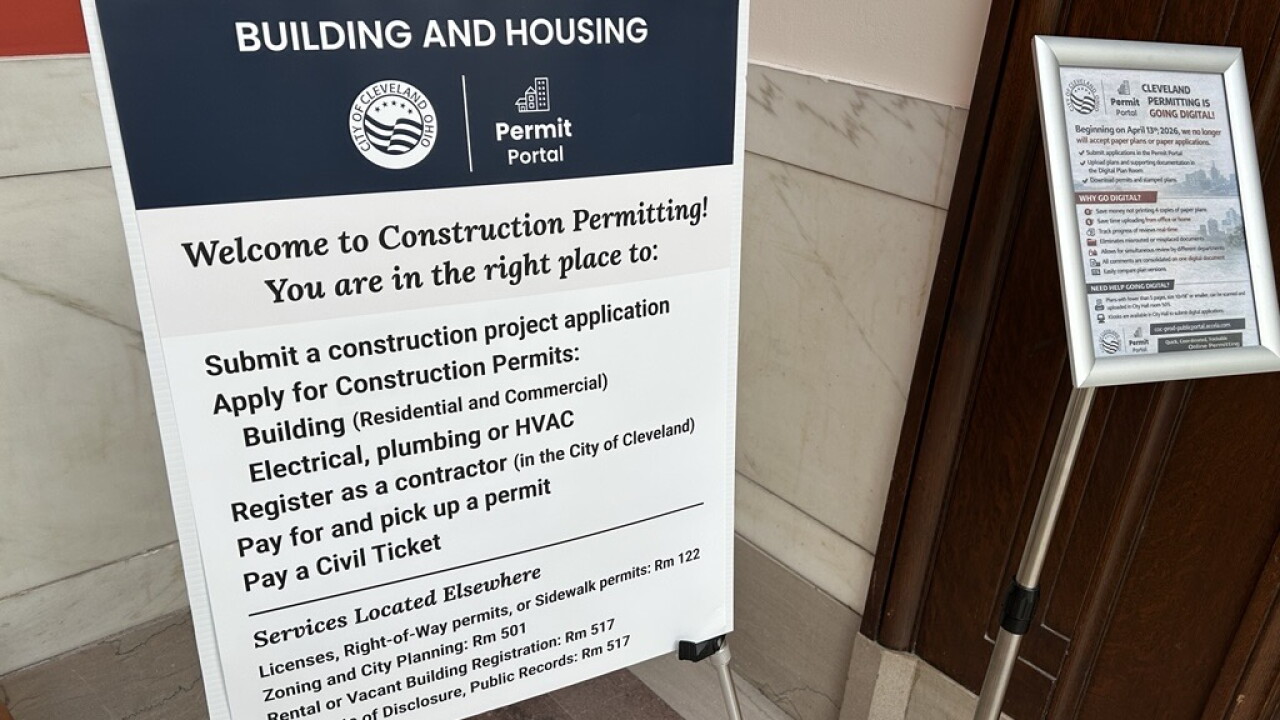
The city says it believes it found the likely source: contact information visible through a third-party permit portal.
“Because the fraudsters would likely be able to get the contact information from there tied to a real permit, you know, an actual project, and get an accurate description of the project and then be able to use that and craft it into this scam attempt,” Sinclair said.
The city says there was no unauthorized access. It asked the vendor to remove contact information from public view and notified Cleveland police about the imposters.
"Because they were greedy and tried for 13K, that’s how they get caught,” Hamerstone said.
So far, the city says no one has reported actually paying, but wants to hear from you if an email like this lands in your inbox.
You can call 311, and they’ll direct you to the correct department, or email the city at phishing@clevelandohio.gov.
You can also log in to your account on the city’s permit portal to check for any outstanding balances.
