

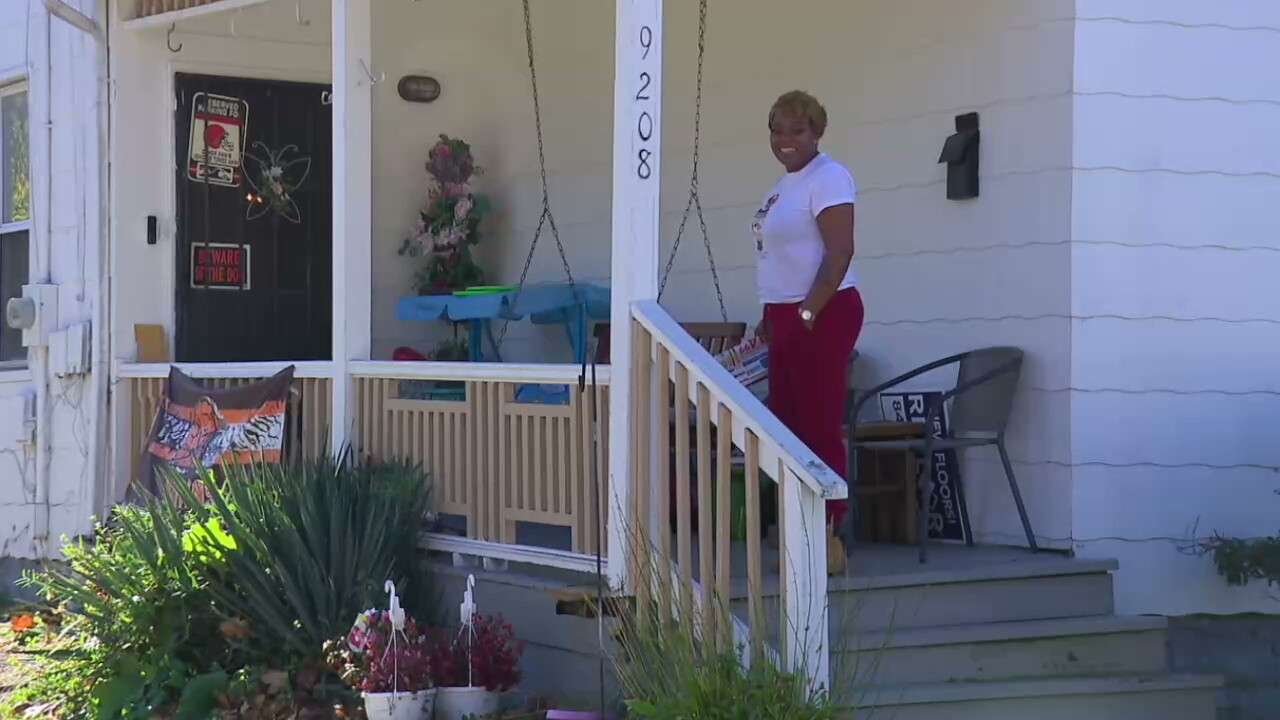


CLEVELAND — Nobody told Shaunti Jordan when her landlord stopped paying the property-tax bills.
In early 2024, Cuyahoga County moved to foreclose on the house where Jordan had lived for more than a decade. The property went up for auction — twice — as the county tried to recoup more than $25,000 in real estate taxes and penalties. But no one bought it.
By the end of the year, the house was headed to state forfeiture — where distressed properties can sell for next to nothing.
Jordan had no idea. Then a stranger knocked on her door, offering her a chance to become a homeowner for just $500.
“I was like, OK, whatever,” she said during an interview. “I’m thinking it’s a scam.”
But in late 2025, she received the deed to the house, thanks to an unusual, short-lived program. Instead of losing their home, Jordan and her family gained stability.
“I caught the Holy Ghost,” she said, recalling the day her paperwork arrived. “I was runnin’ through the house, talkin’ in tongues!”
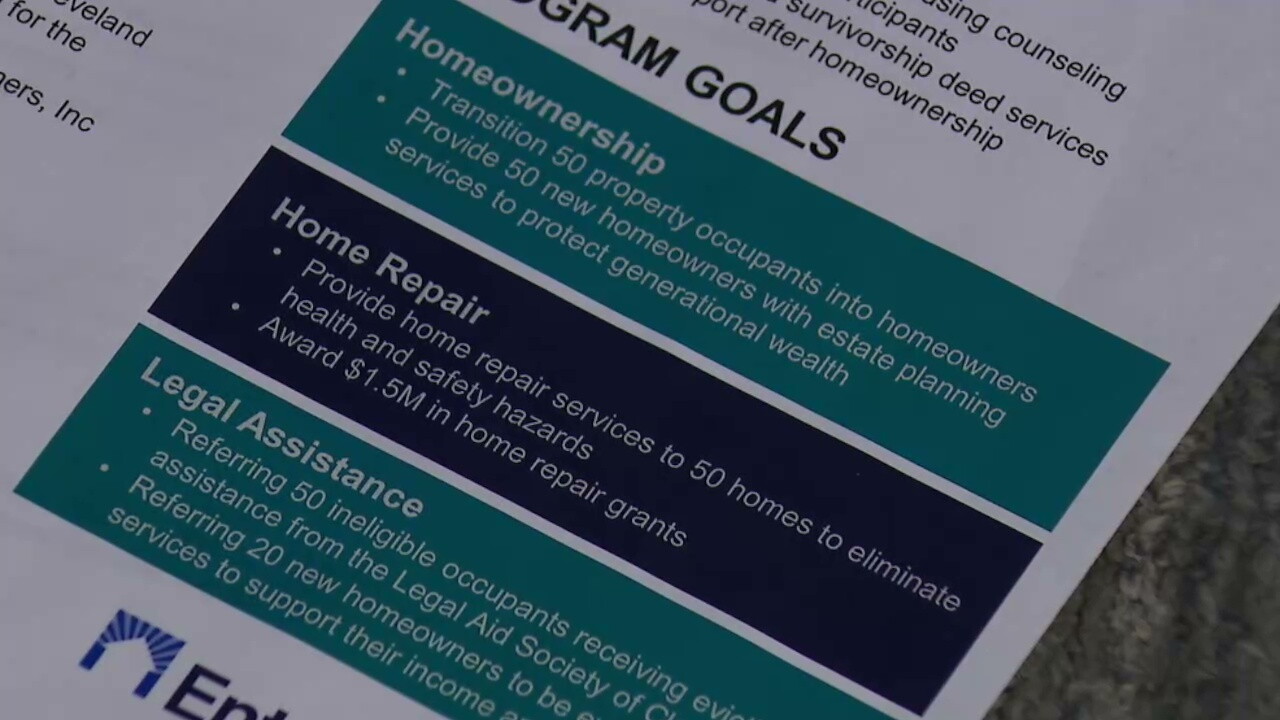
The Make It Home Cleveland pilot program launched in early 2024 with the goal of creating 50 homeowners and breaking a cycle of distress. Local nonprofits teamed up to painstakingly pull occupied houses out of state forfeiture and put them in tenants’ hands.
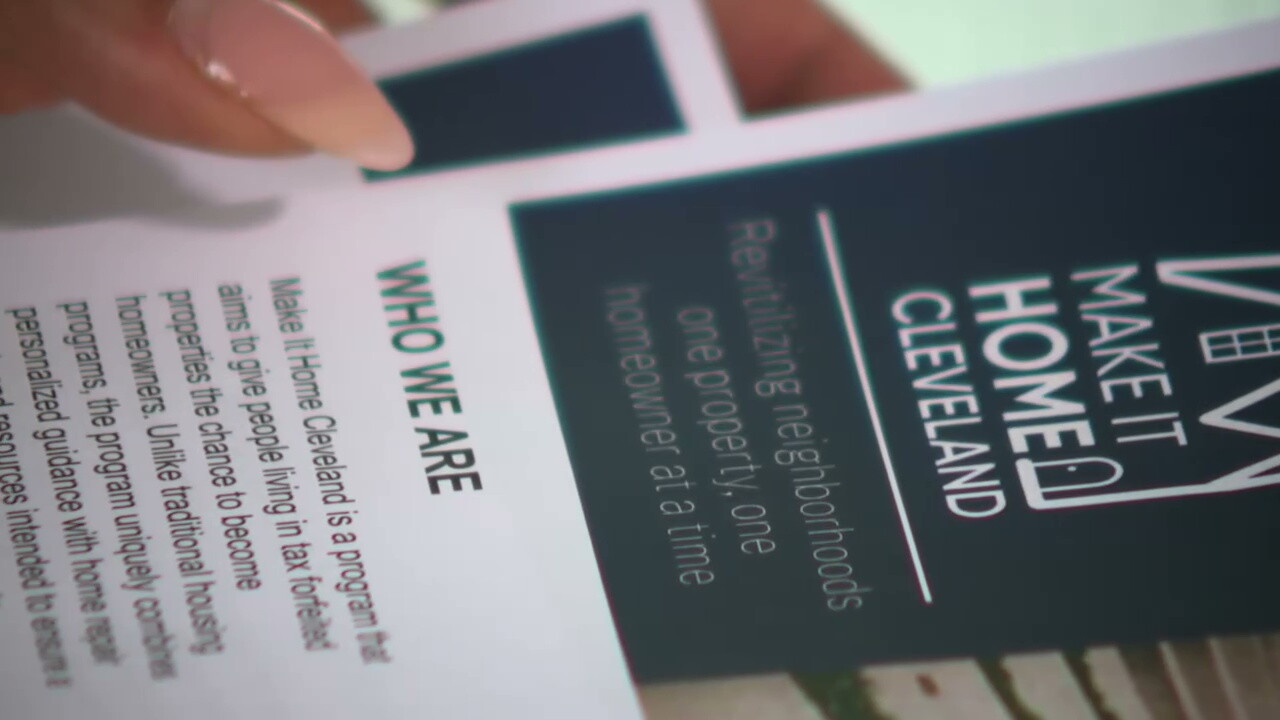
The work, led by Enterprise Community Partners, was tricky, hands-on and slow.
After the partners identified eligible properties, representatives from the Northeast Ohio Coalition for the Homeless knocked on more than 500 doors across the city. Many tenants reacted like Jordan initially did — with skepticism, if not outright incredulity.
CHN Housing Partners provided mandatory homeownership counseling and lined up contractors to tackle critical home repairs. The Cuyahoga Land Bank handled the real estate transactions, using its state-given powers to pluck homes off the forfeiture-sale list. The Legal Aid Society of Cleveland worked through estate planning with the buyers.
Now the experiment is sunsetting. It’s out of money.
And by the numbers, at least, the partners didn’t achieve their goal.
The program yielded only 20 homeowners before running out of cash. Home-repair costs were much higher than anyone predicted, quickly consuming about $1.5 million in federal pandemic-recovery money provided by the city of Cleveland.
But numbers don’t tell the whole story.
“How do you really measure impact? … Making sure that the buyer continues to be a property owner,” said Ayonna Blue Donald, the Midwest vice president at Enterprise, which is focused on housing affordability and access.
'Living in the shadows'
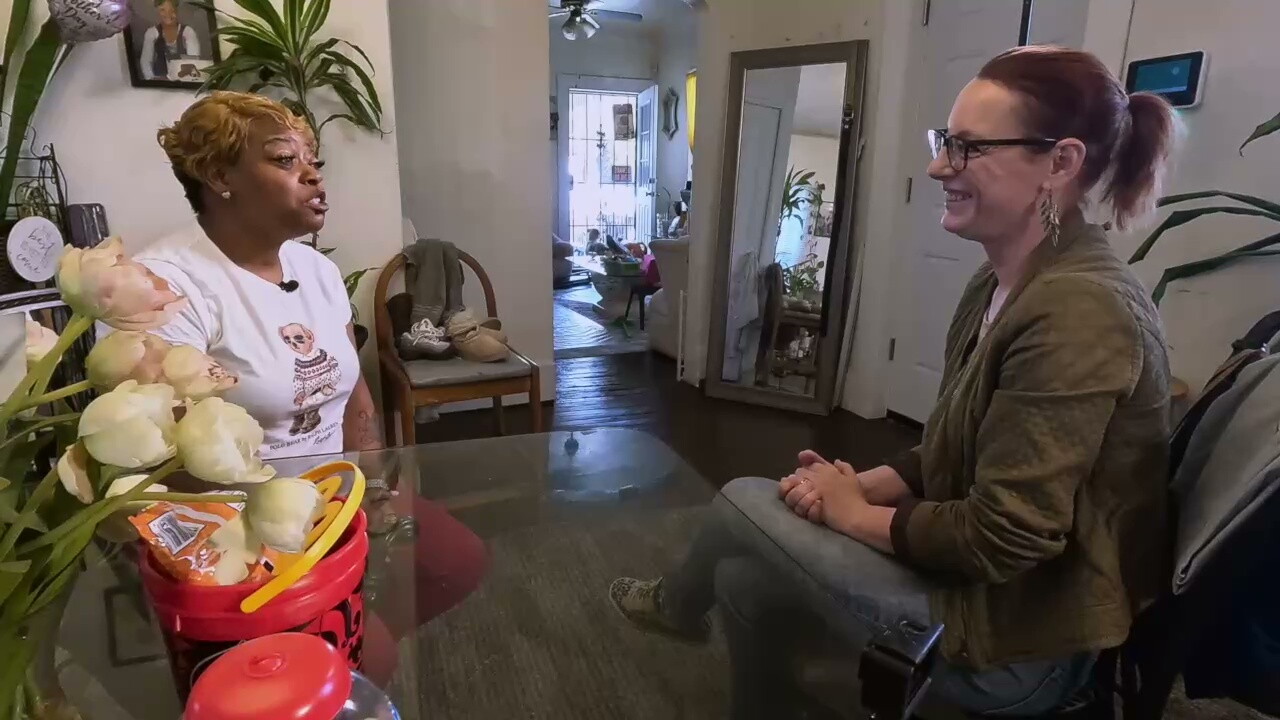
Jordan dreamed of owning a home. But that prospect always seemed out of reach.
“The struggle is real, you know, the way the economy is,” she said.
A former nursing aide, she’s navigated health problems and financial hurdles.
Now 47, she works as a clerk for the Ohio Bureau of Motor Vehicles and shares her house with her adult daughter and 2-year-old granddaughter, Paityn.
Public records show the house, in the Kinsman neighborhood, has been through its own turmoil, passing between lenders and investors over the last 25 years. Jordan’s former landlord bought the property out of state forfeiture in 2012.
The street outside is lined with vacant lots — reminders of the foreclosure crisis and subsequent waves of deterioration and demolition.
“We’re trying to really stabilize neighborhoods and not create vacancy,” said Blue Donald, noting that the program also got properties back on the tax rolls, helping to fund basic government services.
Like Jordan, most of the Make It Home Cleveland beneficiaries live on the city’s East Side. Many of them were longtime tenants, with a median household income of $24,000 a year. Most of them are Black women who are the primary decision-makers in their homes.
One buyer had been renting her house for 20 years, caring for aging family members and working as a home health aide. She had never met her landlord.
Another woman was grieving. Her husband had recently died in a car accident. Like Jordan, she didn’t know that her rental home had been seized by the state after tax foreclosure.
“There are so many people living in the shadows,” Blue Donald said. “A program like this really highlights people that are living under the radar — in properties that, highly likely, they shouldn’t be living in. There have to be resources to be able to do home preservation, home repair across our city.”
'You have instant equity'
The Make It Home program started in Detroit in 2017, through a partnership between the Rocket Community Fund, the United Community Housing Coalition and the city.
Detroit buys tax-foreclosed properties before they head to auction, then sells them to the housing coalition. Buyers enter interest-free land-contract deals, making payments over a few years. The program is designed to turn tenants into owners and prevent families from losing longtime homes when a parent dies without a will or proper estate planning.
The Cleveland version of the program was much smaller — and designed differently. The Rocket Community Fund provided the start-up cash for administrative costs. The United Way of Greater Cleveland, the George Gund Foundation, the Cleveland Foundation and the Third Federal Foundation also chipped in.
From the outset, home-repair grants were part of the equation. Blue Donald said the partners didn’t want to saddle new homeowners with hefty repair bills, making them pay for years of maintenance their former landlords put off.
But the condition of the houses was a surprise. The partners budgeted $34,000 per home for essential fixes. The average repair bill was more than twice that — at $76,000.
“I had some leaks in the house. The porch was coming down,” Jordan said.
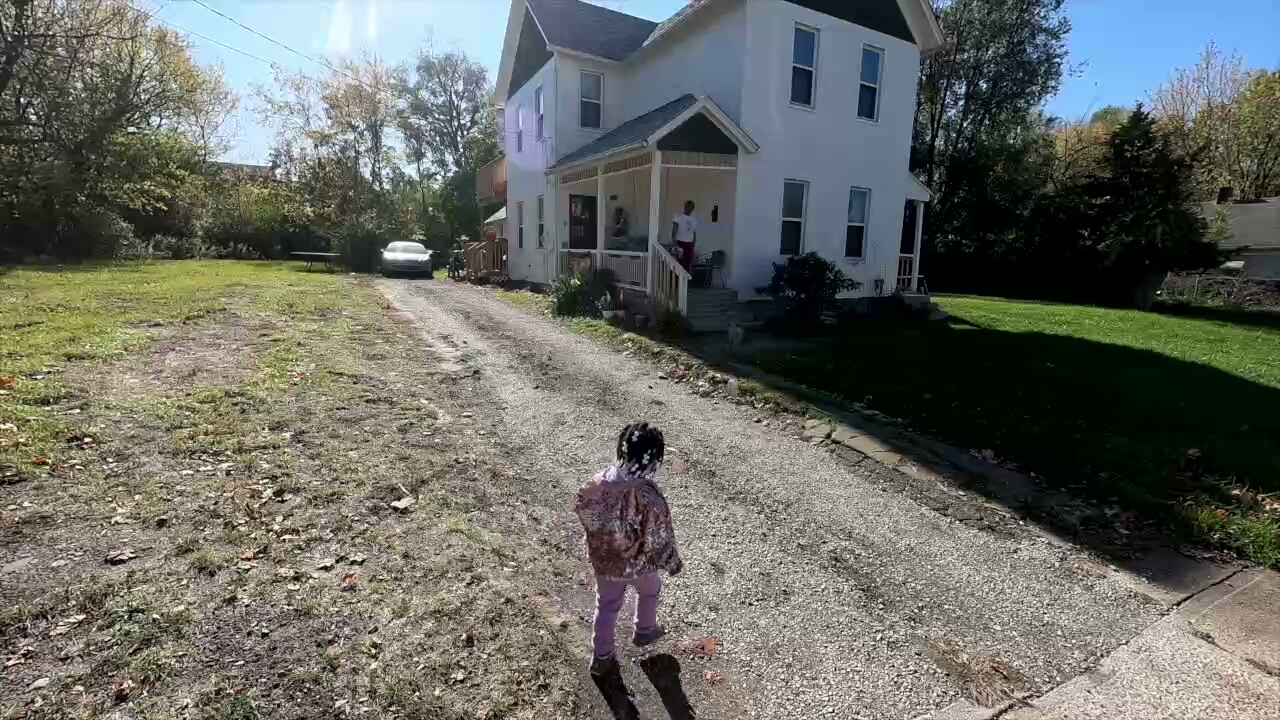
After she closed on the property, contractors replaced her roof. They waterproofed the basement. They rebuilt her side porch — one of several on the rambling home, which is more than 100 years old. Workers also replaced the kitchen floor, which was caving in.
And they repainted, inside and out.
The team at Legal Aid worked with Jordan to ensure the property eventually will pass to her adult children, without having to go through Cuyahoga County Probate Court.
After years of struggling to get by, she has a chance to build generational wealth.
“You’ve paid $500 for a home that has maybe a value of $60,000. You have instant equity,” Blue Donald said.
She didn’t rule out the prospect of resurrecting the program if philanthropic support comes along. But the city money for repairs was a one-time thing, from a pool of American Rescue Plan Act funding that had to be spent by the end of 2026.
“We really have to be thoughtful about how to fundraise for that big-ticket item of home repair that we know properties all throughout the city need,” she said.
'Right on time'
Jordan still can’t quite believe everything that’s happened.
A few months ago, she acquired an empty lot next door through the Cuyahoga Land Bank, which pulled that property out of state forfeiture, too.
She imagines a play area for her granddaughter there, where a house once stood.
Now she wants people to know that support can come when you least expect it.
“Don’t think that there’s not no help out here. … You know, ‘cause everybody need a helping hand sometime,” she said. “And it came right on time. It was right on time for me.”
Michelle Jarboe is the business growth and development reporter at News 5 Cleveland. Follow her on X @MJarboe or email her at Michelle.Jarboe@wews.com.
