

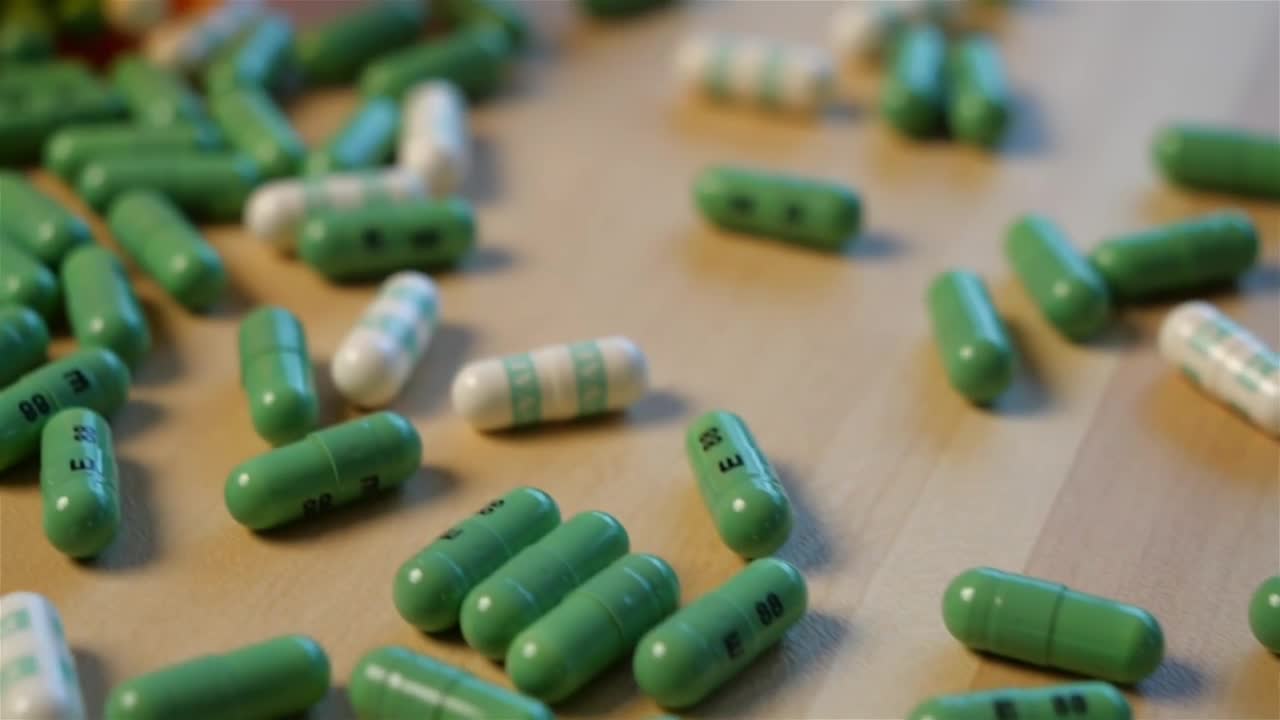


MENTOR, Ohio — Since 2020, the overdose death rate in Ohio has dropped more than 50%, and in Lake County that number is even higher. The crisis that once gripped Ohio is loosening its grip.
Ohio has the biggest decline in overdose deaths, at 53.2%, in the country. But that number is even bigger in Lake County: overdose deaths dropped 75.2% in the same time period, which is the biggest decline of the 550 counties ranked.
The new study by Addiction Recovery Guide looked at CDC records for more than 630,000 deaths nationwide.
"In the height of the opiate epidemic, we were really at the epicenter of the epidemic. We were losing lives at such a rapid pace," Kim Fraser said.
Fraser is the executive director of the Lake County ADAMHS Board.
"At the peak, we were seeing 90 to 100 deaths a year here in Lake County," said Pat Hengst, director of the Lake County Narcotics Agency.
The drop in overdose deaths did not come without a lot of work.
"It's been the result of a tremendous amount of work, and that's been due to a lot of collaborations. It's not just been the behavioral health system. We have worked with so many partners and come at this from so many angles to try and address the tremendous loss of life that we saw over 15 years," Fraser said.
Lake County has made a collective effort, with education, treatment, federal and local funding, and law enforcement working together.
Lake County narcotics agents have arrested hundreds of drug traffickers since the start of the Opioid epidemic. But since 2020, they've implemented programs aimed at getting help to people who are drug-dependent, including Project Connect.
"We're able to get information from them, pass that information on to a recovery provider, and then they follow up with people. We also partner with our sheriff's office and our ADAMHS board and some service providers on a quick reaction team, which is an overdose response team here in the county," Hengst said.
The county has also expanded residential treatment and recovery housing.
"I was prepared to die or be in prison. I was truly out of options and I didn't know what sobriety would look like, so I didn't think that I was capable of trying, even capable of trying to get there," Lake County resident Angela Julian said.
Julian has been sober since Sept. 17, 2024. But she said it has taken a lot of work and help. She lives in recovery housing and credits Lake-Geauga Recovery Centers with her success.
"This is not something that just goes away. I don't quit being an addict, but I'm an addict in recovery today, and that clearly happened through the help of Lake-Geauga Recovery Centers. I clearly needed that assistance in order to stay sober," Julian said.
While the numbers are trending in the right direction, the work continues.
"But the moment we take our eye off the ball, we know the numbers will go back up," Fraser said.
