

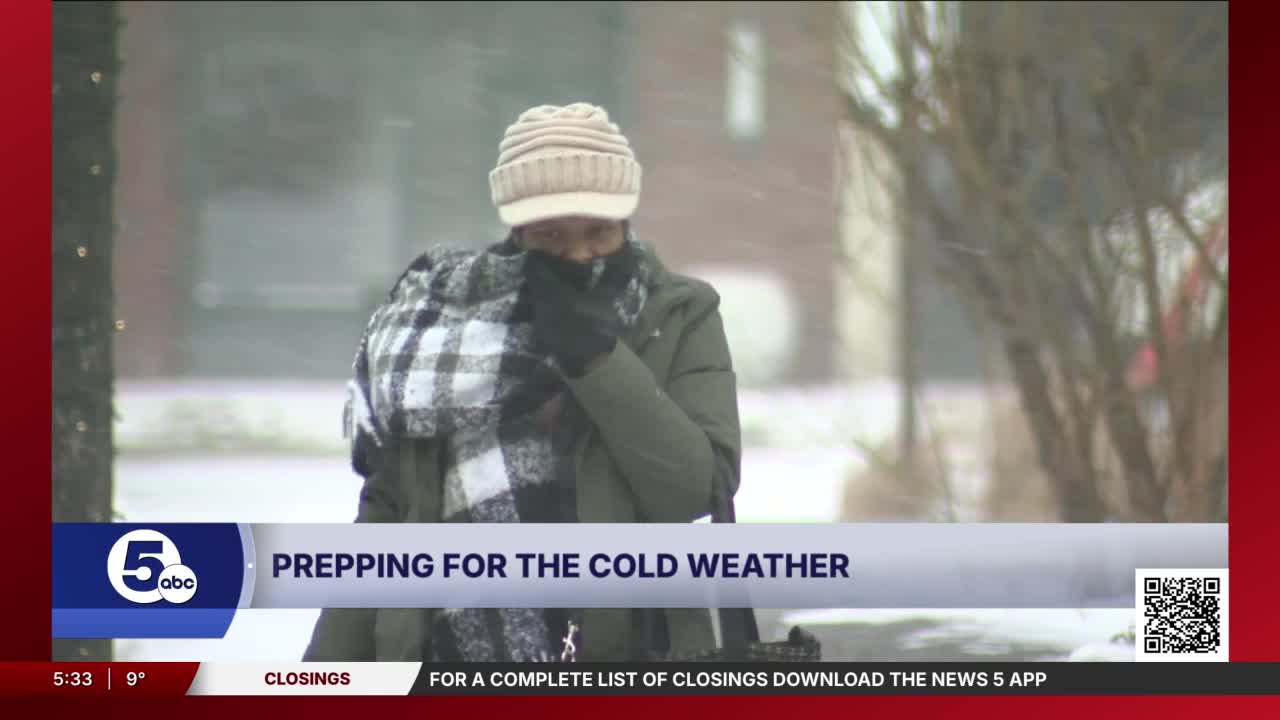


CLEVELAND, Ohio — As Northeast Ohioans brace for a blast of icy weather, experts are bracing for the emergencies associated with frigid temperatures.
Even in sub-freezing conditions, some people were out enjoying the Public Square ice rink in downtown Cleveland.
"We had this trip planned for last weekend, but it just didn’t work out. So this weekend we tried to go explore a little bit and make the most of it,” explained Hannah Wong.
Wong helped plan the trip to downtown with her friends from Case Western Reserve University, despite the plunging temperatures.
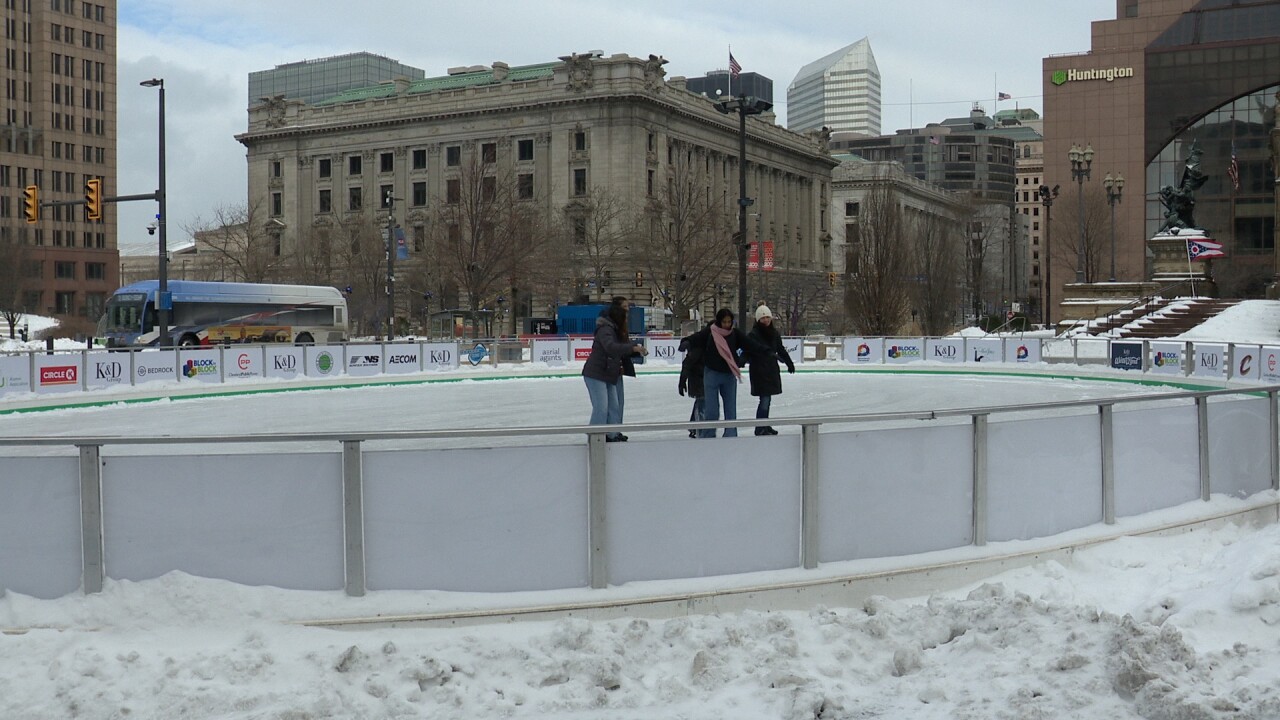
"I feel like I should be wearing another layer underneath… but I feel like this is good for midwestern winter weather - a sweater, a coat and gloves,” said Anushi Kiribamune.
The group said they were ready to wrap up their outdoor activities after about 30 minutes at the ice skating rink.
Val Acosta said, “I think it’s moreso the wind and especially the snow.”
Though some people were making the best of the situation, experts warned that prolonged exposure without adequate protection can be dangerous.
"If you’re not covered well enough, you can start getting symptoms of frostbite. That’s one of the first things because it’s in your extremities,” explained Dr. Jessica Goldstein, the Chief Medical Officer at University Hospitals Ahuja Medical Center.
The emergency medicine doctor said frostbite treatment is a common need during cold stretches in Northeast Ohio winters. She said it can present as numbness, discolored skin or swelling.
“If you start to lose sensation in your fingers, then you need to get inside, take off anything that is wet,” said Dr. Goldstein.
More severe exposure can lead to hypothermia, with patients experiencing shivering, slurred speech or shallow breathing. Serious cases will likely require emergency care.
“They may have white or bluish fingers. And if they’re confused, or at an extreme, they can be passed out. Then you know you really have a problem, you need to go assist,” Dr. Goldstein said.
Cold-related emergencies are not limited to your health.
Staff at H. Jack’s Plumbing and Heating said recent stretches of cold weather have led to an increase in emergency calls at the company.
“We’re getting a lot of ‘no heats’ on furnaces and a lot of frozen pipes for sure, a lot of water breaks creating a lot of damage in homes that no one wants to have to go through,” said Vice President Patrick Kotek.
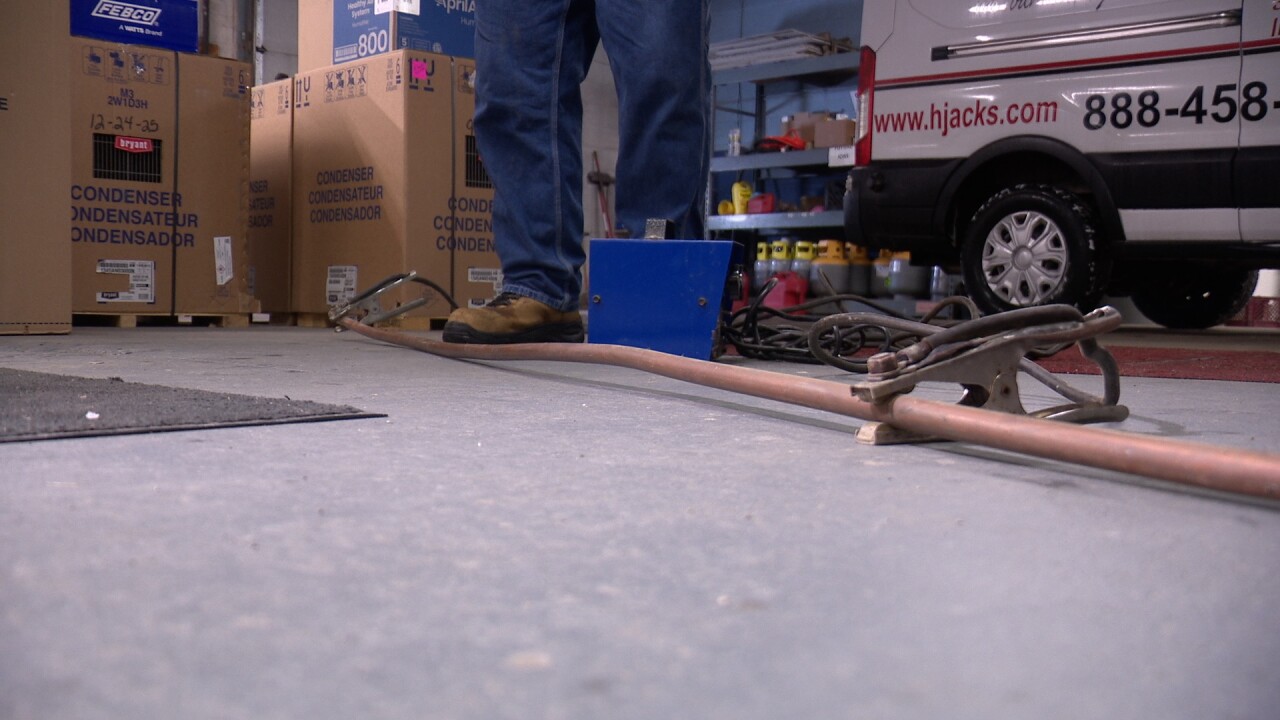
He showed News 5 the device his plumbers typically use to thaw frozen pipes, explaining the first signs of freeze can include lower water pressure, no hot water or frost on pipes.
Kotek suggested regularly cleaning furnace filters and checking thermostat batteries to avoid a furnace failure. Additionally, he said you can run a trickle of water or keep warm air moving to prevent frozen or burst pipes.
“You’ll see a kitchen sink is on an outside wall. Run the water and then open up the cabinet doors to allow some extra heat to get in there and keep that plumbing warm,” he said.
The experts said extra precautions are part of January in Northeast Ohio, and with the right preparations, you can weather the cold.
