

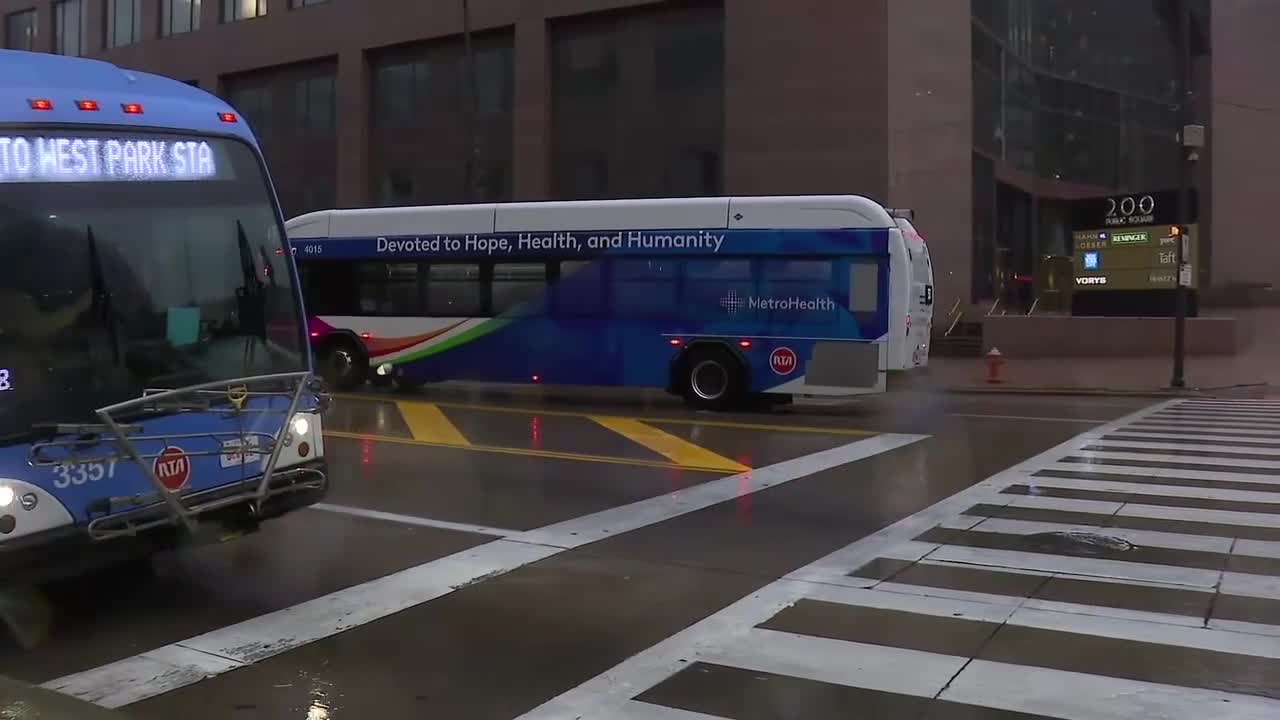


CLEVELAND — The Greater Cleveland Regional Transit has updated its code of conduct, causing some to raise an eyebrow and speculate about the intention.
GCRTA gave more than 24 million rides in 2025, but that number will likely get smaller as riders without a destination are now prohibited.
In GCRTA's board meeting this month, a member said, "It is not the RTA’s responsibility to figure out how to solve the problem of the unhoused. We have to figure out a better solution for that, but the solution is not to maintain RTA as a mobile home for folks that don’t have resources."
The RTA's code of conduct has not been revised since 2015, but a spokesperson for the agency told me it needed to be updated to address inappropriate and unsafe conduct, including loitering and what the agency calls "non-destination riding."
The RTA said enforcement will be through a process of reporting channels, impartial investigations, fair due process, proportionate penalties, and consistent oversight.
If someone is suspected of riding without a destination, they'll simply be asked to get off the bus, according to GCRTA.
One rider told us on Thanksgiving he didn't agree with the change in conduct rules.
"There's no reason why the RTA should feel any obligations, that people that are homeless or shelterless can't use the bus pass as refuge from these elements," he said. "This is inhumane. What are you gonna do? Allow them to die?"
"GCRTA’s goal is to promote safety by targeting behaviors that are unacceptable, but to do so without criminalizing patrons," GCRTA Public Information Officer Robert Fleig said. "Since the adoption of the updated code of conduct, GCRTA has taken steps to publicize the new code of conduct, including placement of new signage at facilities and on vehicles, printed information, audio announcements, and outreach to local organizations and advocates."
Northeast Ohio Coalition for the Homeless Executive Director Chris Knestrick isn't happy about the updated policy, saying it targets the homeless population.
"I think people are getting off a bus at random stops in a community they don't know, in a place they don't know, probably further away from getting services that they would need to stay warm or stay safe throughout the night. I think that policy, that idea, really risks people's lives in our community," Knestrick said.
He voiced his opinion, too, at the November 17 board meeting and said he will continue doing so.
"Policies like the new code of conduct actually make it much harder for people to get housed. No one's saying it's your (GCRTA) full responsibility," he told me. "No one's asking you to solve it. We're asking you to not make it worse, and that's what that policy is doing."
While the policy is already in effect, Knestrick said his coalition plans to continue having conversations with RTA regarding the impact its new policy has on the homeless community.
Knestrick said, "We should make sure that we are supporting everyone in our community when we're asking everyone to chip in and support transit. People that have a bus pass and have paid to ride the bus should be able to ride it whether you're housed or unhoused. Sitting there is a right. If people can ride the bus, they should be able to."
