

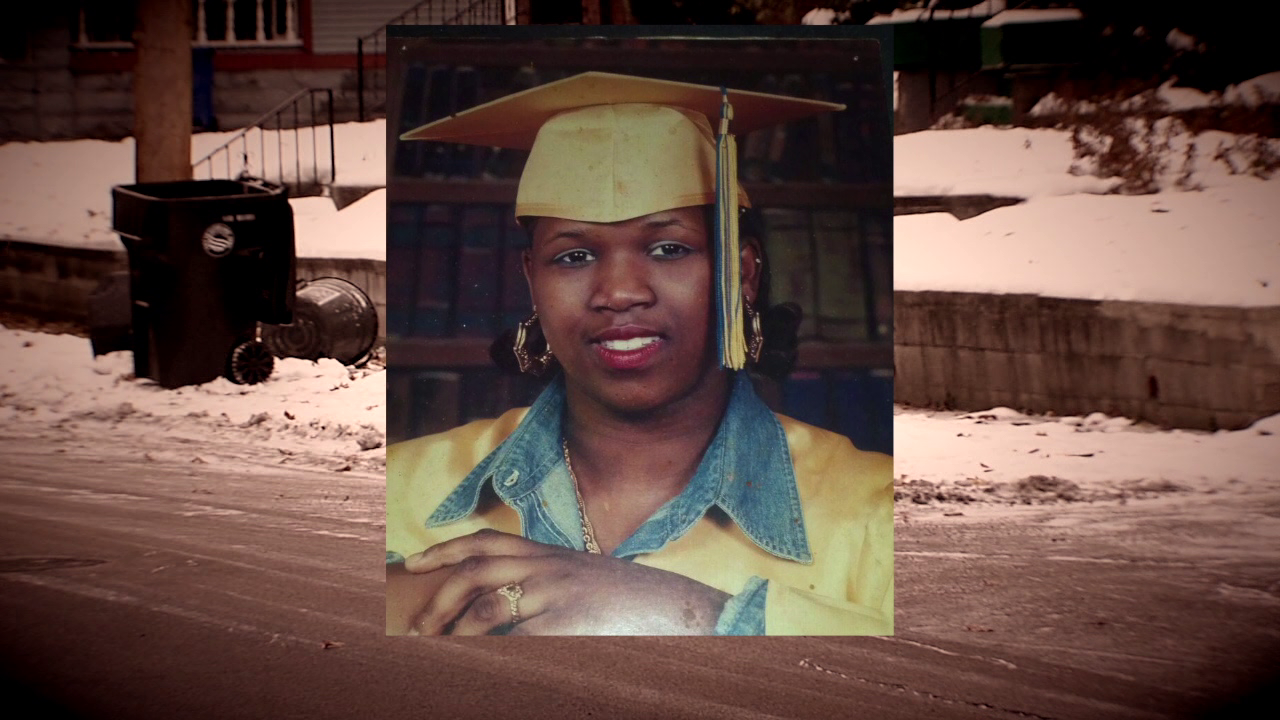


CLEVELAND — Cleveland City Council is considering the administration's amendments to Tanisha's Law, a proposed emergency ordinance that would transform the city's response to mental health emergencies.
The amendments were introduced during the Cleveland City Council Public Safety Committee's second hearing on the legislative proposal on Thursday.
READ MORE: 10 years later: Cleveland City Council considering Tanisha's Law
Cleveland Director of Public Safety Wayne Drummond told the committee that the mayor's administration is "aligned with the Tanisha's Law" and wants to work collaboratively to provide the best possible care for people experiencing mental health crises.
What was amended
The amended ordinance would create a Bureau of Community Response within the Division of Emergency Medical Service.
The initial proposal would have created a Department of Community Crisis Response.
The ordinance would also create a new Deputy Commissioner of Community Crisis Response, who would be responsible for putting together the new program.
What Tanisha's Law would do
The law would create a fourth category for 911 calls in Cleveland. Callers would be asked if they need "police, fire, EMS, or mental health."
An Unarmed Crisis Response Team would respond to callers who ask for mental health help.
The Bureau of Community Crisis Response would be responsible for collecting data on the "effectiveness, impact, and cost-saving effect" of Unarmed Crisis Response Teams and would be required to make their data publicly available.
The proposed law was created by Tanisha's uncle, Michael Anderson and Case Western Reserve University School of Law students.
"It's very important, not only for Tanisha but for other people who suffer from mental health issues," Anderson said after the committee's first hearing in December.
A call for help
Tanisha Anderson had bipolar disorder and schizophrenia.
The night she died, her family had repeatedly called 911 for mental health assistance.
Instead, police officers arrived and handcuffed Anderson face down on an icy sidewalk. The medical examiner concluded she died while restrained in a prone position.
"She passed, saying the Lord's prayer. She was asking God to forgive the officers who were holding her down," her uncle said. "That compassion that she actually had for the officers, I'm asking city hall to extend that same compassion to people who suffer from mental health."
