




CLEVELAND — For graffiti artists, the brick ruins off Ashland Road are a canvas for creativity.
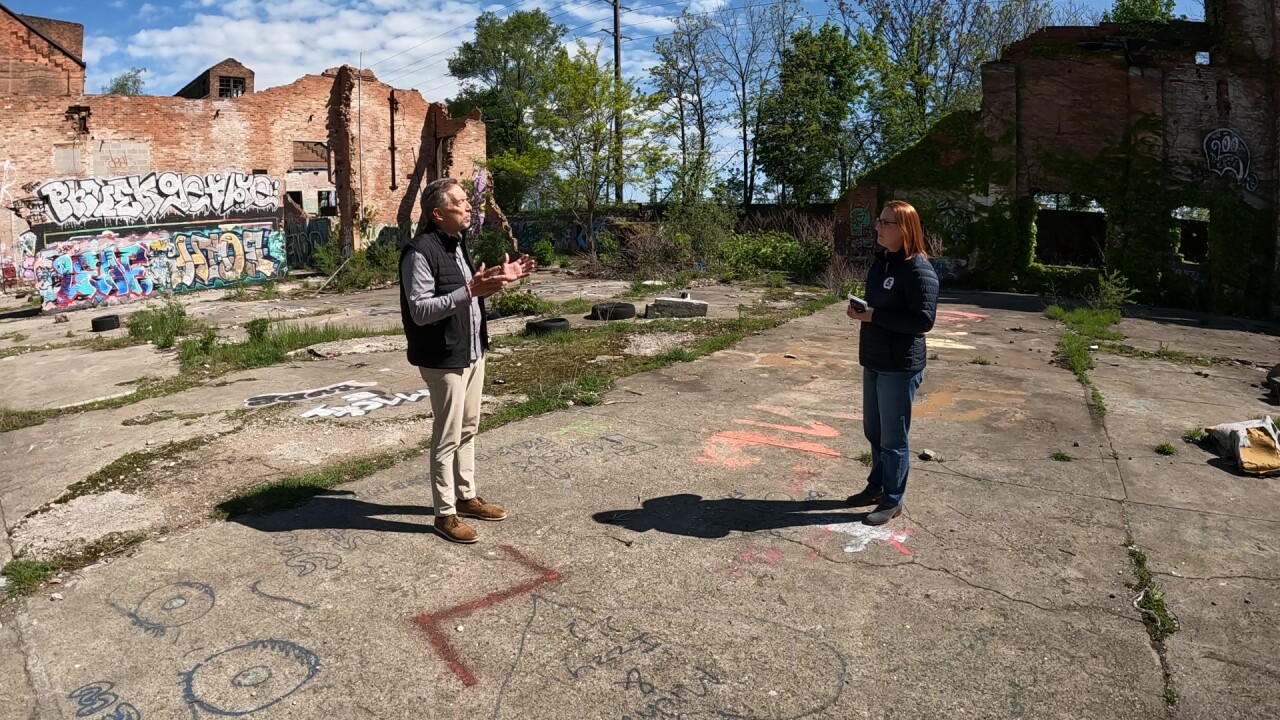
To LaRhon Wheeler, though, the remains of the former Westinghouse Electric Corp. complex in Central are just a mess — a reminder of what this once-mighty city has lost.
“Once upon a time, it was all filled with jobs,” said Wheeler, who lives within walking distance of the long-decaying manufacturing plant. “Now, it’s not like that.”
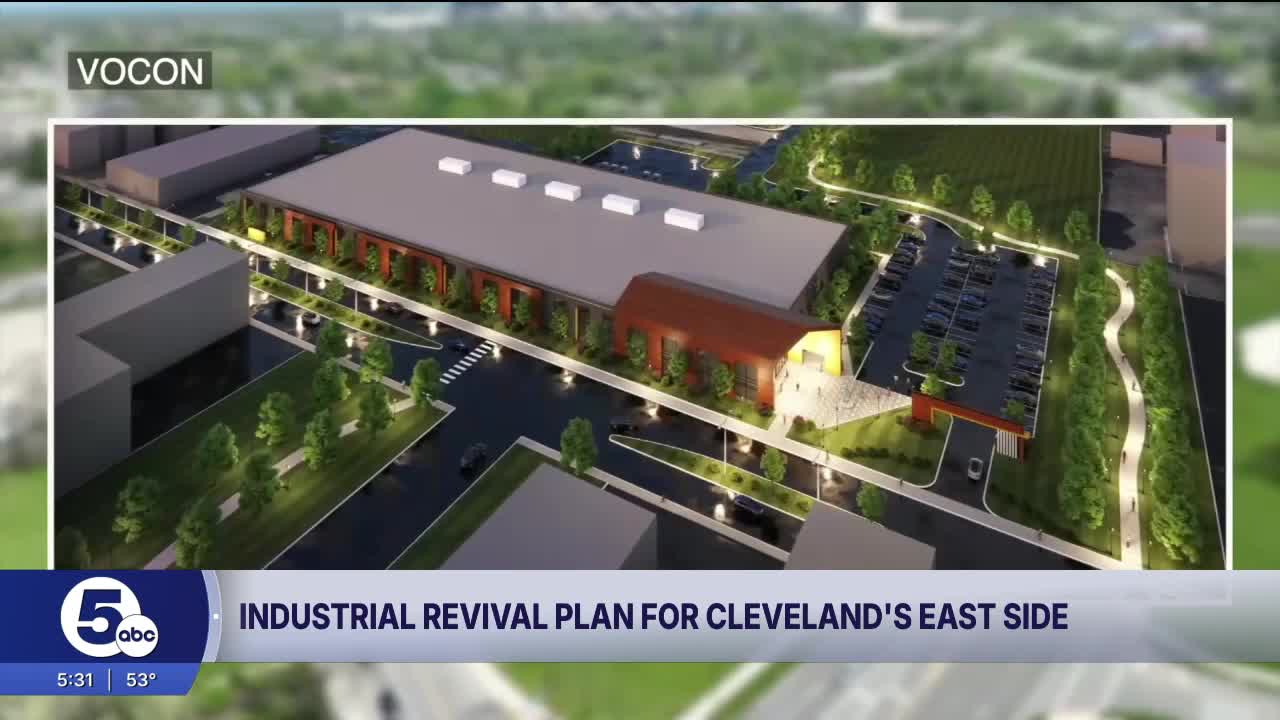
But a Cleveland nonprofit, working closely with the city, is striving to bring jobs back to the block as part of an ambitious industrial redevelopment initiative stretching across the East Side. On Wednesday, the Site Readiness for Good Jobs Fund unveiled its vision for the Midline, a nascent business district comprised of about 350 acres between Euclid Avenue and the Opportunity Corridor boulevard.

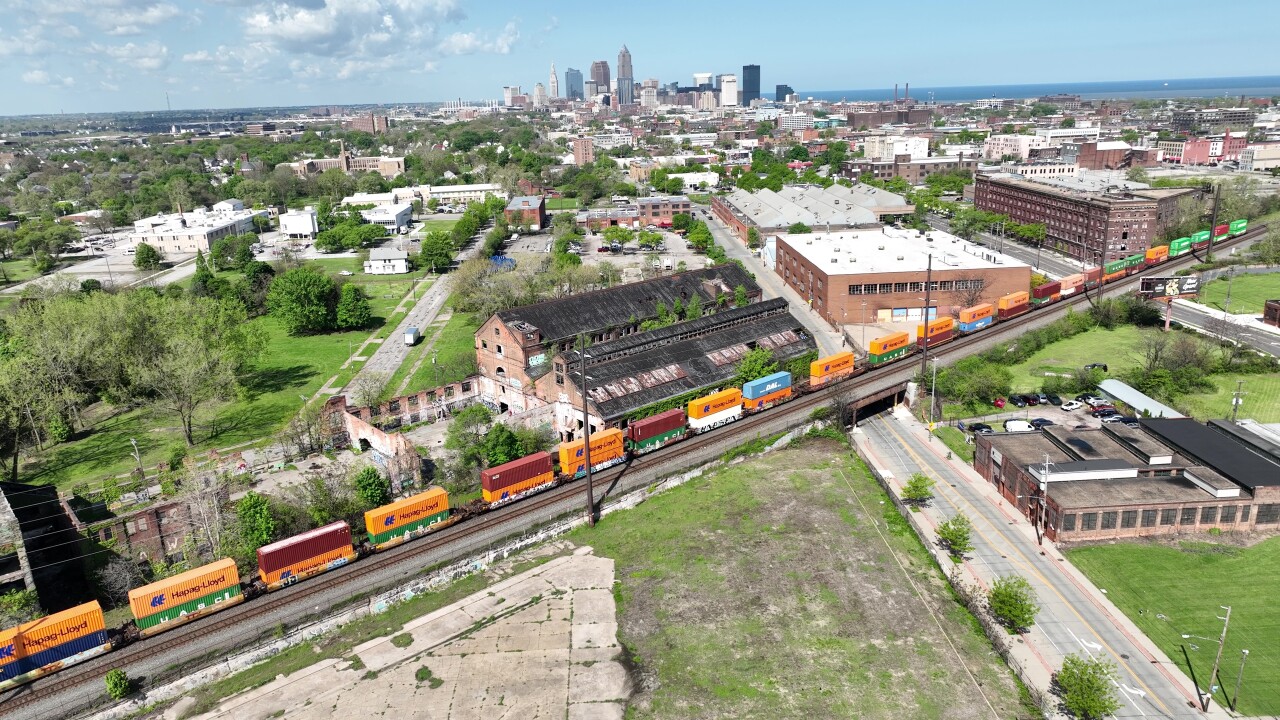
Over the past few years, the site fund and its partners have quietly gained control of key properties on both sides of the busy Norfolk Southern railroad tracks that slash through the Central, Fairfax and Kinsman neighborhoods.
Today, those tracks are a dividing line, flanked by vacant buildings, dirty land and the pitted foundations where factories once stood. Now the site fund hopes to turn that rail line into a unifying spine, surrounded by new businesses, parks and trails.
“Getting the land is just the first step,” Brad Whitehead, the site fund’s managing director, said during a recent interview at the crumbling Westinghouse complex.
He said it could cost $80 million to $100 million — or more — to clean up the sites and get the land “shovel-ready” for developers and companies to come in. The site fund already has several deals in the works, but isn’t ready to discuss specific projects yet.
“We are not talking about data centers,” said Rick Barga, the nonprofit’s manager of site identification and development. “We are not talking about trucking and logistics. There will be no Amazon warehouses here. We’re talking about companies who make things.”
That could mean food production or medical-device manufacturing, for example. The site fund also has been working with City Hall to bring a modular-housing construction business to Cleveland, where officials view factory-built homes as one way to fill gaps in the market.
“Think production — but think clean,” Whitehead said. “And think forward-looking.”
Over the next five years, the site fund hopes to fill 1.5 million square feet of industrial and commercial space along the corridor through a mix of new construction and, where it makes sense, historic preservation. Leaders believe those projects will support more than 2,500 jobs, giving people who live nearby the opportunity to walk to work again.
“Wherever you go, there’s talk about the affordability crisis,” Mayor Justin Bibb said during an interview. “And the best thing we can do in Cleveland is to grow our economy, attract high-paying-wage jobs back to our city so that our residents can afford to buy a home, can afford to rent an apartment, can afford to start their own small business. That’s what this work is all about.”
'Really complicated business'
With Cleveland City Council’s blessing, the Bibb administration provided $50 million in federal pandemic-recovery money to the site fund in 2023 to get the organization started. The Cleveland Foundation is managing an endowment for the site fund as part of a push to raise another $50 million from outside sources, including philanthropy.
That money will go toward land acquisition and environmental remediation across Cleveland — not just along the Midline. The site fund has the long-term goal of reviving more than 1,000 acres by targeting industrial properties that, often, nobody else wants to touch.
“Getting this all to come together is really complicated business,” Whitehead said. “There’s multiple sites. It’s legally very, very complex. There’s cleanup involved. And so if you’re a private developer or a private company, it’s just too much of a burden to handle on your own. And it doesn’t pencil out, in terms of your narrow financials. But when you look at what it can mean to a community … then those returns look pretty good.”
Positioned between Downtown and the medical and educational nexus of University Circle, the Midline runs on a diagonal for about 1.5 miles. The northern end of the district is near the Cleveland Foundation’s new headquarters at East 66th Street and Euclid Avenue.
In early May, a company affiliated with the site fund acquired the former American Sugar plant across the street. The cane-sugar refinery closed the rambling factory last year, leaving a 10-acre gap in the neighborhood. The buildings, in rough shape, will be razed.
Working with the Cuyahoga Land Bank, the city and other partners, the site fund has plucked additional properties out of foreclosure; accepted donations; knocked on doors at companies that didn’t realize they owned blighted real estate in Cleveland; and, in some cases, coordinated with the U.S. Environmental Protection Agency.
“If there’s a way to get a parcel of land, you can rest assured that we probably tried it,” Whitehead said. “And there’s probably 20, 30 different tools that we’ve used to get all of this land assembled.”
'We haven't forgotten'
In April, City Council agreed to designate the Midline as a priority investment area — positioning the site fund to seek a $10 million cleanup grant from the Ohio Department of Development this year. If that money comes through, demolition and environmental work could start along the corridor next spring.
Separately, the site fund is pursuing $2.56 million in state historic preservation tax credits to restore the old Wellman-Seaver-Morgan factory in the heart of the district. That building, at 7000 Central Ave., is a linchpin for the district.
RELATED: Cleveland's new site fund buys huge factory site on the city's East Side
The state is set to announce the next round of historic tax credits awards, which are competitive, in June. Lydia Mihalik, the state’s development director, was in Cleveland on Wednesday for the site fund’s announcement about the overall vision for the Midline.
“There is interest, broad interest from across the country, to support us in this work,” Bibb said, adding that he’s optimistic about getting buy-in from the state and JobsOhio, the state’s private nonprofit economic-development corporation.
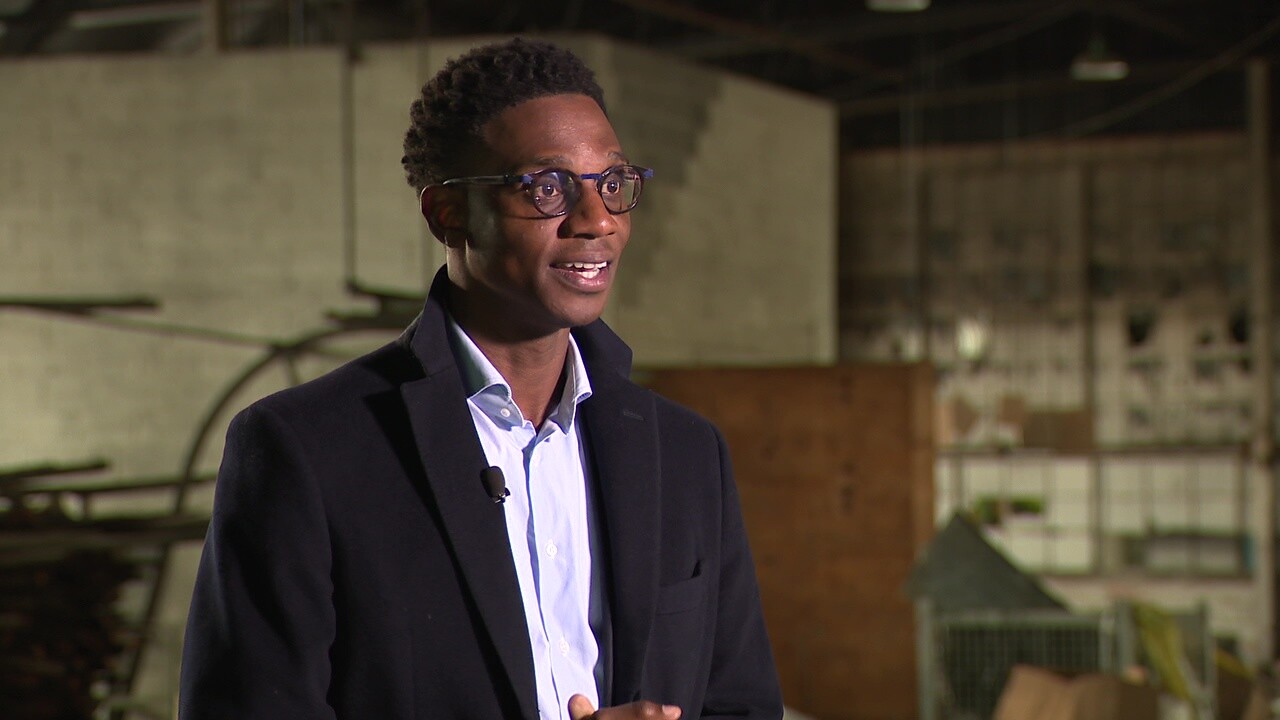
Standing in a largely vacant industrial building, where workers once produced iron stoves, Bibb said it’s easy to see why some Clevelanders feel forgotten, overlooked by their government.
Along the Norfolk Southern tracks, houses sit in the shadows of crumbling factories. In one part of Central, a community with high rates of asthma and other health problems, dust from huge piles of construction debris blows onto front porches across the street.
“We haven’t forgotten,” Bibb said. “And we’re putting our money, our resources and our political capital where our priorities are.”
Councilman Richard Starr, who represents the Central neighborhood, said the work is welcome — and long overdue. “I support this designation,” he said in a written statement, “but let me be clear: This cannot just be another plan on paper. This project area must lead to real cleanup, real jobs and real opportunities for the residents who live here today.”
Wheeler, a homeowner on East 68th Street, is ready for change.
“It’s coming,” she said. “And … I’m gonna be smiling.”
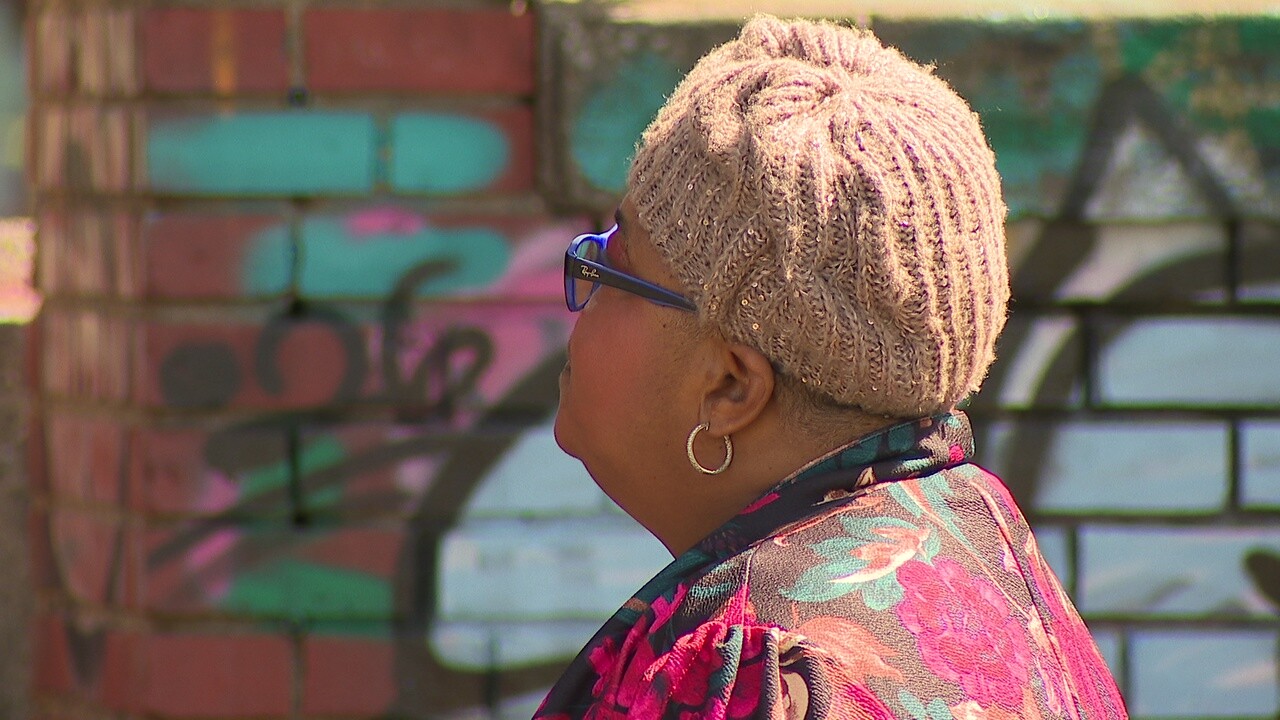
She’s deeply committed to Central, where she attends every community meeting and walks the streets to urge her neighbors to vote. Now, Wheeler wants her grandchildren to have access to decent jobs and a chance to achieve middle-class security.
And she can’t wait to see that dilapidated old Westinghouse plant come down.
“I’m comin’ to get a brick,” she said, looking up at a battered brick wall covered with graffiti. “I’m gonna keep that brick. And say this was that building. That I dreaded.”
Michelle Jarboe is the business growth and development reporter at News 5 Cleveland. Follow her on X @MJarboe or email her at Michelle.Jarboe@wews.com.
