

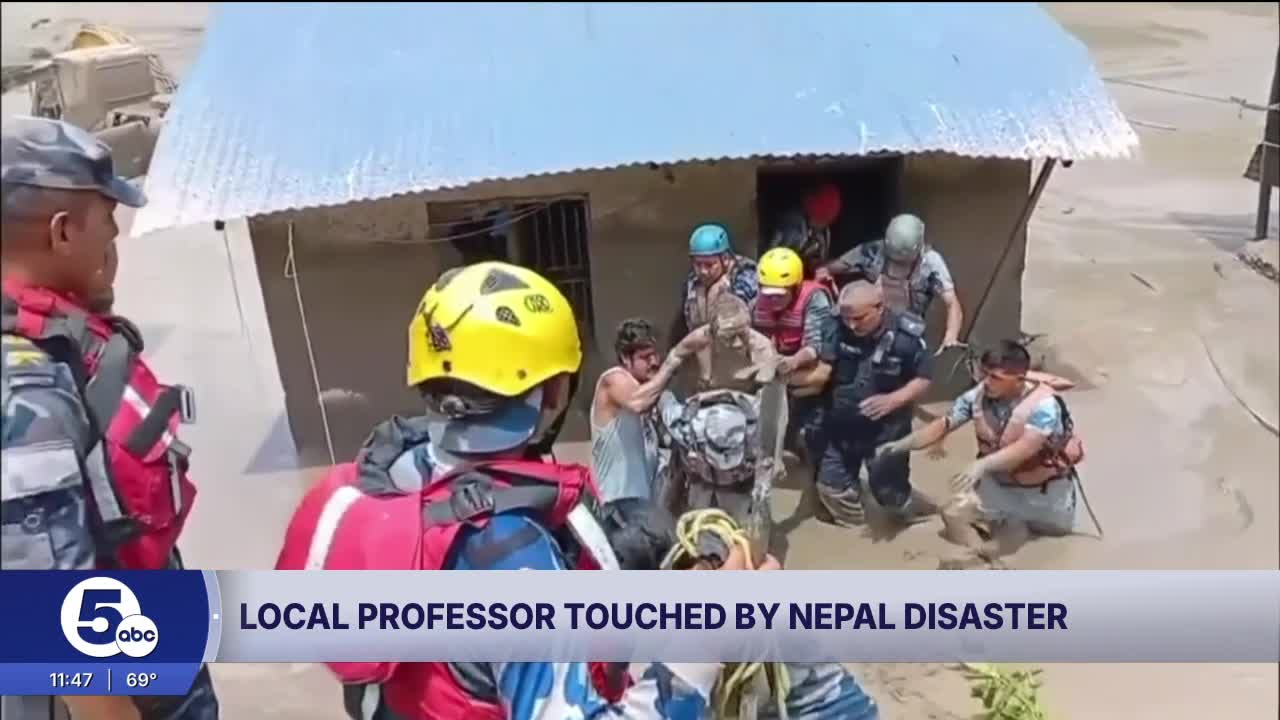

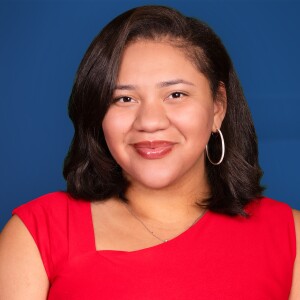
ROOTSTOWN — Bernhard Fassl has spent more than 30 years building deep ties to Nepal. Now, as a catastrophic flood devastates the country, he is waiting for news about friends caught in the disaster and mobilizing a team to help with recovery.
"It's heartbreaking that this is happening,” Fassl said.
A catastrophic ice-and-rock avalanche and sudden flash flood struck the Nepal-Tibet border region on Aug. 26. The disaster has left at least 675 people dead, with nearly 2,500 others still missing. The Nepal Red Cross says the scale of the devastation is overwhelming, with thousands of families now without homes, food or necessities.
For Fassl, a professor at NEOMED in Northeast Ohio, the numbers are not abstract. One of his friends is among those waiting for answers about missing family members.
"One of my friends has four family members still missing. So, the uncertainty whether they are just among the missing and can't get in touch with him or are they buried under the mud," Fassl said.
Fassl has lived and worked in Nepal for more than 30 years, including time at a hospital there. Over the years, professional connections grew into lasting relationships with people and communities across the country.
"I was able to leverage the relationships I had in Nepal to actually develop education and research programs for our university that include global health," Fassl said.
The Nepal Red Cross described the scope of the crisis in stark terms.
"More than 20,000 houses were already swiped away, and these people do not have anything. And to feed them for some time, some days it is a very serious thing to us," the Nepal Red Cross said.
Fassl is now bringing together a team of students and medical professionals to assist with recovery efforts. He plans to work with local officials to help rebuild damaged health posts and hospitals, while also restoring access to clean water.
"Our main role is, and this really is directly related to our long-term involvement in the country is to help them rebuild some of the damage that has been done," Fassl said.
Water purification is a priority in the immediate term.
"We hope to install these purification plants as soon as possible, hopefully starting in six to eight weeks," Fassl said.
For students involved in the effort, the mission will serve as both hands-on disaster medicine training and an opportunity to build lasting partnerships in Nepal.
NEOMED has set up a donation page for those who want to help. The link is available below.
Donate to NEOMED's Nepal Relief Efforts
