

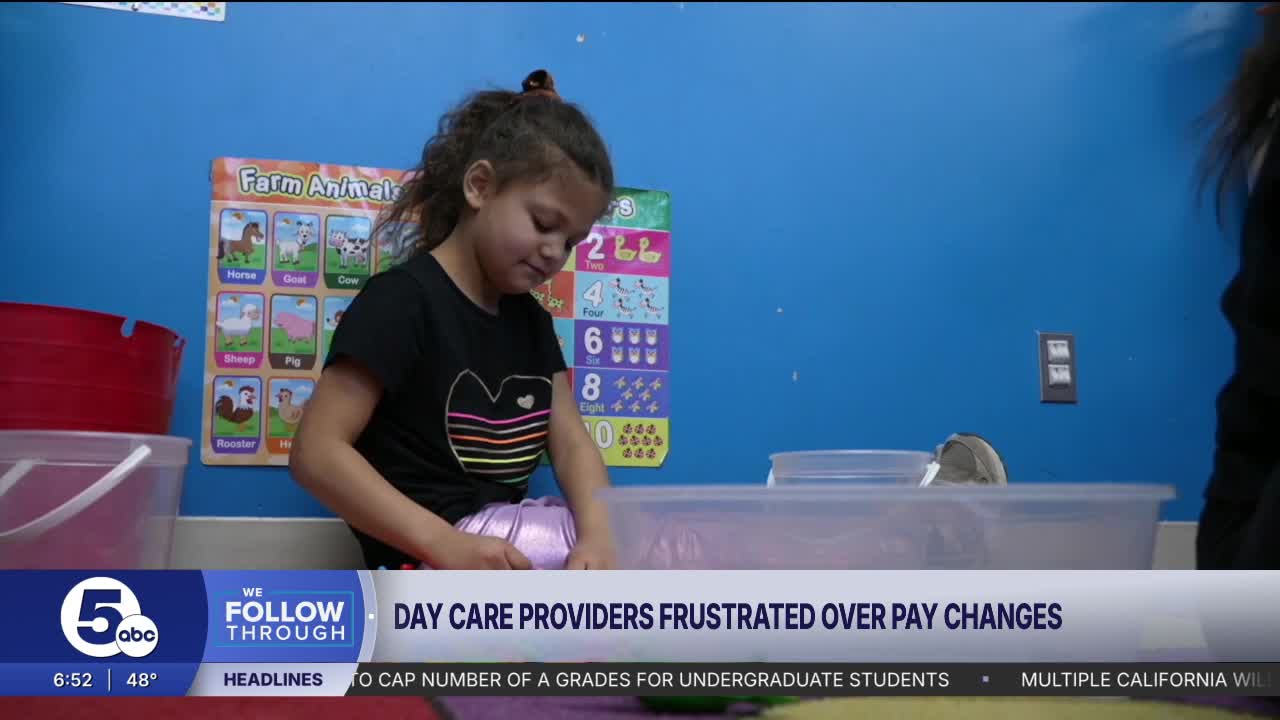

LORAIN, Ohio — Daycare owners are making significant changes to survive.
“I’m without a cook; I’m the new cook,” said Lorain’s Jump at the Sun Early Learning owner Tamika Bonilla. “I had to cut some of my staff hours, you know, we’re hanging on by a thread.”
Precious Cargo Preschool & Childcare owner Justin Evans is also concerned for his employees.
“Big problem for us is going to come pay raise time because no one can go forever not getting a pay raise,” he said. “We had pay raises planned for our staff before summer. I don’t know how I’m going to make them.”
Evans’ centers are in Portage, Mahoning and Stark counties.
“Since November of last year, I’ve probably lost in the tune to about $90,000 of income, so that’s $90,000 out of my pocket I had to put back to make sure I covered all the bills and all the staff,” he said.
Evans blames the change in reimbursements to centers that accept Publicly Funded Childcare (PFCC). I first reported on this change in January. It went into effect with the passage of the state budget in November.
“It really, for providers, is literally a pay cut,” said Policy Matters Ohio senior project coordinator Ali Smith. “They haven’t changed the hours of the kids; they’re still meeting that family's needs, but because of the rules change, they’re getting reimbursed less.”
Kara Wente, director of the Ohio Department of Children and Youth, which oversees daycare in the state, is now responding to the frustration over the change.
“Childcare is expensive, as you well know, as you’ve probably heard from our providers, as our families will attest to, is expensive,” she said. “When you start to invest, the numbers get big very quickly.”
Wente said there was a federally required provider rate increase, and they know they have to keep up with the cost of living. “We have a several $100 million hole in both fiscal year ’28 and ’29, so the conversation often is what can we sustain? How do we invest in, how do we most importantly make sure that we don’t start supporting families to have to pull it back?”
When asked if the change to reimbursements was a way to save money, Wente said it was a way to ensure the investments can be sustained long term.
“What we’re really looking at is how do we ensure that taxpayers know that when they pay for childcare, that those children are not only getting a healthy and safe environment, but they are more prepared for school,” she said.

Wente also mentioned having discussions with providers to hear their concerns and the collection of data.
Bonilla and Evans said neither of them has been asked for data or had a direct conversation with Wente.
“I believe a lot of this so-called data that they’re getting must be coming from the non-PFCC centers. That’s my personal belief,” said Bonilla.
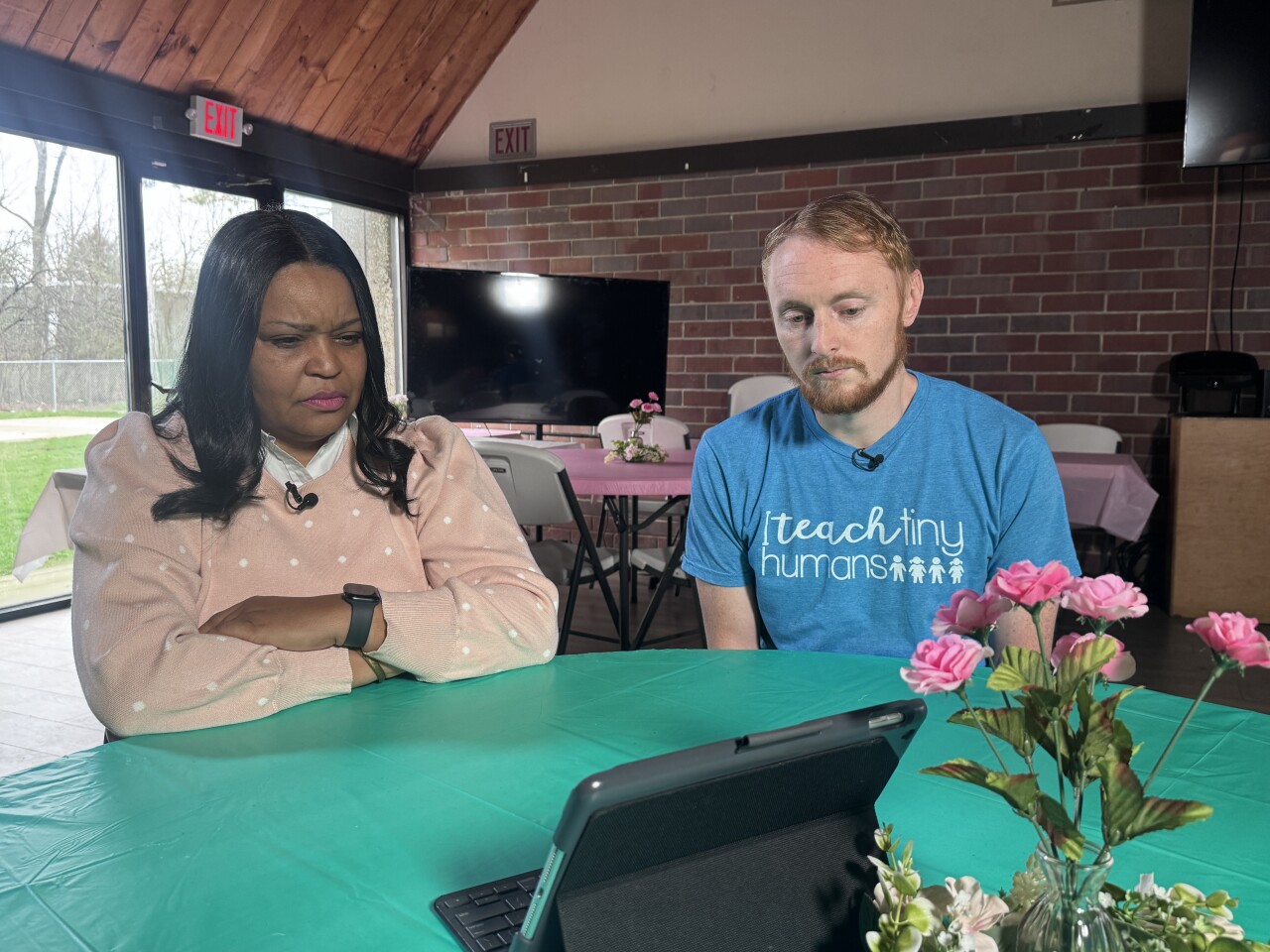
While more than 99% of children at Bonilla’s center use vouchers, Evans said about 60% of his children use PFCC.
“If the PFCC goes away, so does the private, and all of a sudden, even if you have the money to pay for care, there’s no care available because a business shares the cost with everybody, not just one side or the other,” he said.
Evans said he’s increased the cost for his private-pay families by 15%.
Wente said changes could happen.
“We just need to make sure that the safeguards are in place, that we know when the money goes in, it’s really intended to go to the provider to serve the child,” she said. “Once we get there, then let’s continue to have those conversations around more investment.”
On May 28. 2026 Jodi Norton Trimble, Chief Communications Officer for the Department of Children and Youth sent Tiffany Tarpley the following update:
We continue to closely monitor child care program closures. From January to April 2026, there were 276 closures which is 44 more than during the same period in 2025. However, this increase was anticipated as a result of actions taken by the department which include:
- Efforts to streamline program eligibility,
- Ending the ability for children to attend two different programs during the same week;
- Step Up to Quality reviews and enforcement; and
- Continued program integrity work with the addition of the 400 random case sample that was launched in early January.
It’s important to note that more than 120 programs have opened during the same timeframe this year. We continue to monitor the closure data and access for children and families.
