

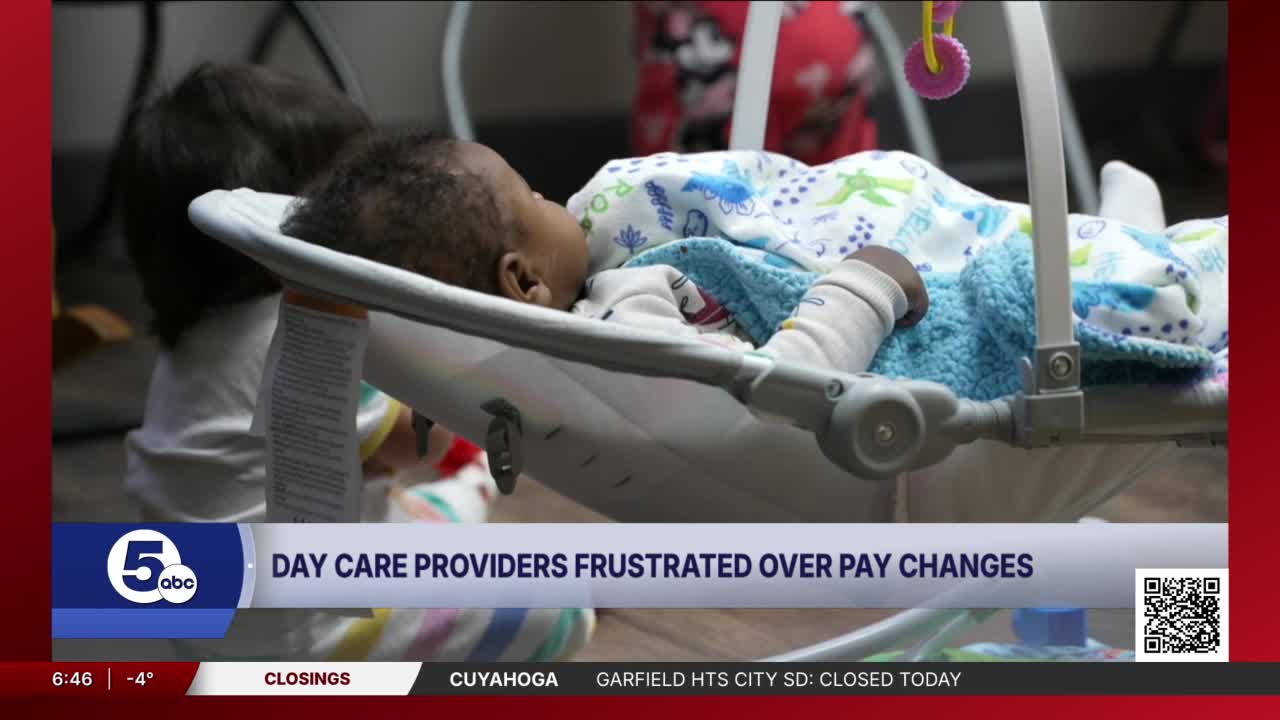


LORAIN, Ohio — Day care providers in Northeast Ohio are frustrated over changes to Publicly Funded Child Care in the state.
“In the 13 years I’ve been open, this is the first time I felt like I may not make it another year,” said Jump at the Sun Early Learning Center Owner Tamika Bonilla. “I don’t know how I’m going to be able to pay my staff, I don’t know how I’m going to be able to provide for the families.”
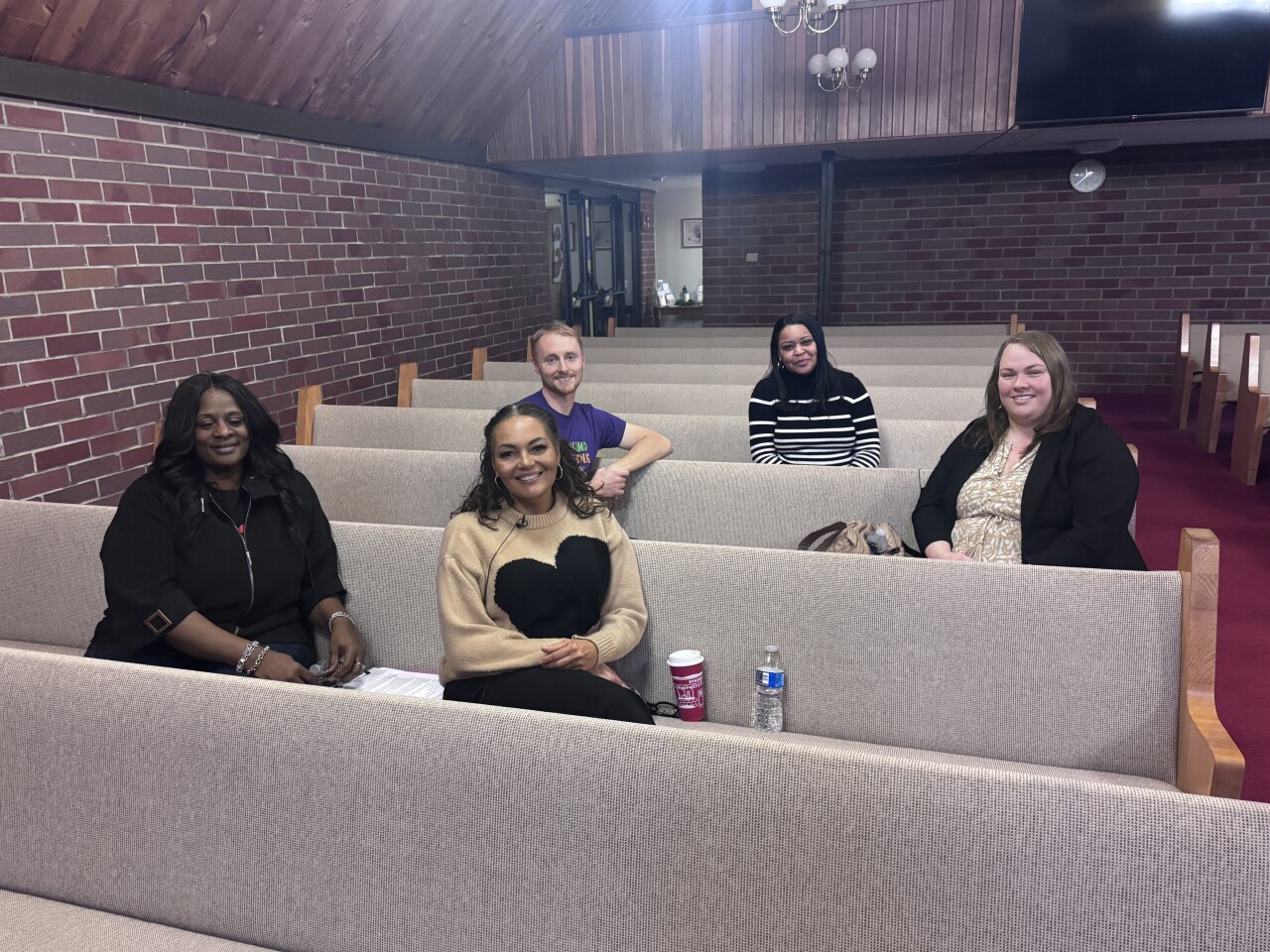
Bonilla said she keeps in touch with day care owners in Lorain who feel the same way. She reached out to News 5 to discuss the recent changes. Seven providers showed up to voice their concerns. Two had to leave before group filming began.
“The government has now changed our hours and how we’re paid,” she said. In the most recent state budget, changes were made to the number of hours a child must attend day care to be considered full-time, part-time, or hourly.

Providers report losing tens of thousands in revenue
“Childcare centers in this state are facing a cliff of funding that there is no coming back from,” said Precious Cargo Owner Justin Evans. “Since November 1, when these changes took effect, my company has lost between $30,000 to 40,000 in those two months.”
Evans’ centers are in Portage, Stark and Mahoning Counties.
"We’re probably about 70% publicly funded, so we do have a fair amount of private families; the prices for those private families, if funding isn’t changed on the state level, is going to increase dramatically.”
Simply stated, certain students who were once considered full-time are now considered part-time. For these children, day care centers provide the same hours of care but for less money. Research institute Policy Matters Ohio has explored issues related to childcare in the state. Senior Project Coordinator, Ali Smith, said childcare is the backbone of the Ohio economy.
“Publicly funded childcare just simply helps the lowest wage families in the state afford childcare,” Smith said.“We have some of the lowest eligibility rates for families in the entire country; we’re 49th out of 50 states.”
Smith said the recent changes are deepening a childcare crisis in the state.
“When these programs are closing because the state is consistently asking them to do more with less money, the math does not math, the business model collapses very quickly, and those programs close or those programs say ‘we don’t take part-time kids," Smith said.
She gave this example of how it impacts centers and families, if the child attends a Gold Star-rated center:
"Before this change happened the Brown family's childcare center would’ve received $365 and some change per week, that’s the full-time rate for that child at that age, full-time, they would’ve received 365 dollars and some change, after the legislature made this change, that same center, same kiddo, is going to have $250 per week which is more than a 30% reduction in pay for no difference, no change in work or coverage of the kiddo,” Smith said.
Republican legislator says balance is needed
Recently, Republican State Representative Phil Plummer (R-Dayton) introduced legislation to crack down on day care fraud and give the state the power to prosecute. He said he’s also received complaints from providers about the change to public pay. Plummer said it’s an issue state lawmakers need to revisit.
“Things get put in at the last minute, the budget bill is just massive, also nobody reads the entire thing, let’s just be honest, but we can go back and fix things if we have a problem, we go fix them,” Plummer said. “There’s always two sides of that coin, it is a check and balance where day care providers just can’t go and write their own checks either, which we see that in these juvenile homes that are popping up everywhere, group homes, they’re writing their own checks, and that’s not fair either.”
Zshavina Kennedy owns Little Critters Learning Center on Cleveland’s West Side.
“Every child in our center is subsidized either at the county level or state level,” Kennedy said. “I’ve reduced staff by six staff members since November 2."
Kennedy said she’s concerned about the future even though she’s found ways to cut back. “I want to pay my staff a 401k contribution, I want to give them benefits like paid holidays, I can’t do that if the amount of money that I have coming in is really inconsistent.”
Providers push for payment reform
These providers also want to be paid based on enrollment, not attendance, which Smith said is similar to private pay centers. Smith said owners and families should continue to reach out to state legislators.
“We want there to be plenty of centers who are able to pay their staff well so there’s not a lot of turnover and churn in the sector. We know it’s really important for kids to have consistency in care,” Smith said.
Owners said being paid based on enrollment would allow them to plan and have realistic data to work with.
“We have gas, we have utilities in the building, we have insurances, commercial insurances, all those factors go into that bottom line of what we’re paid from the state,” Bonilla said.
News 5 is waiting for a response from the Ohio Department of Children and Youth.
