



WAYNE COUNTY, Ohio — Fire departments across the country are facing a difficult reality: fewer firefighters, tighter budgets, and more emergency calls than ever before. Now, one department in Wayne County is turning to new technology to help close that gap.
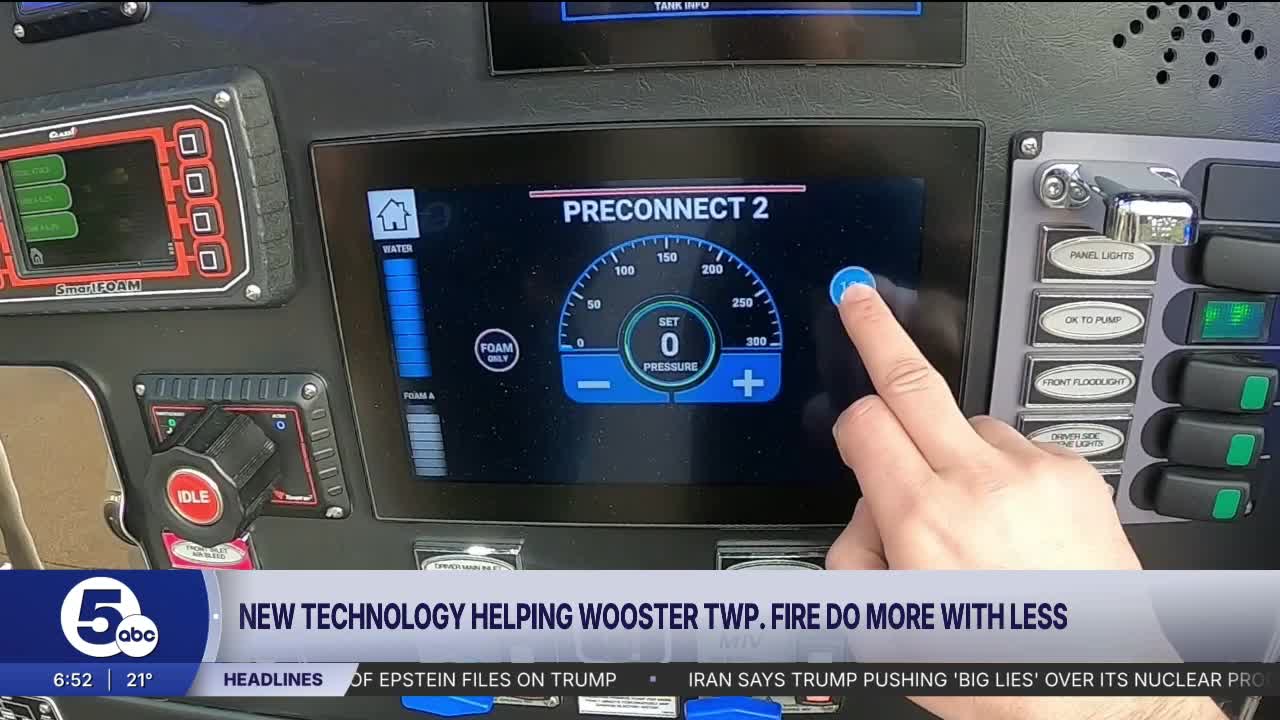
The Wooster Township Fire Department is among the first in the nation to use a new automated pump system, “Sam,” installed directly on one of its fire engines.
Traditionally, operating a fire engine’s pump panel requires a dedicated firefighter to manually control water flow, pressure, and valves during a fire response. The process is complex and highly hands-on.
“It's a huge help because we have very limited staffing on duty, and then even when we do get a call, we're relying on volunteers to show up,” said Fire Chief Dallas Terrell.
The automated system allows firefighters to manage water pressure more efficiently without requiring a full-time pump operator. According to developers at Idex Fire & Safety, the core technology used in many fire engines has remained largely unchanged for generations.
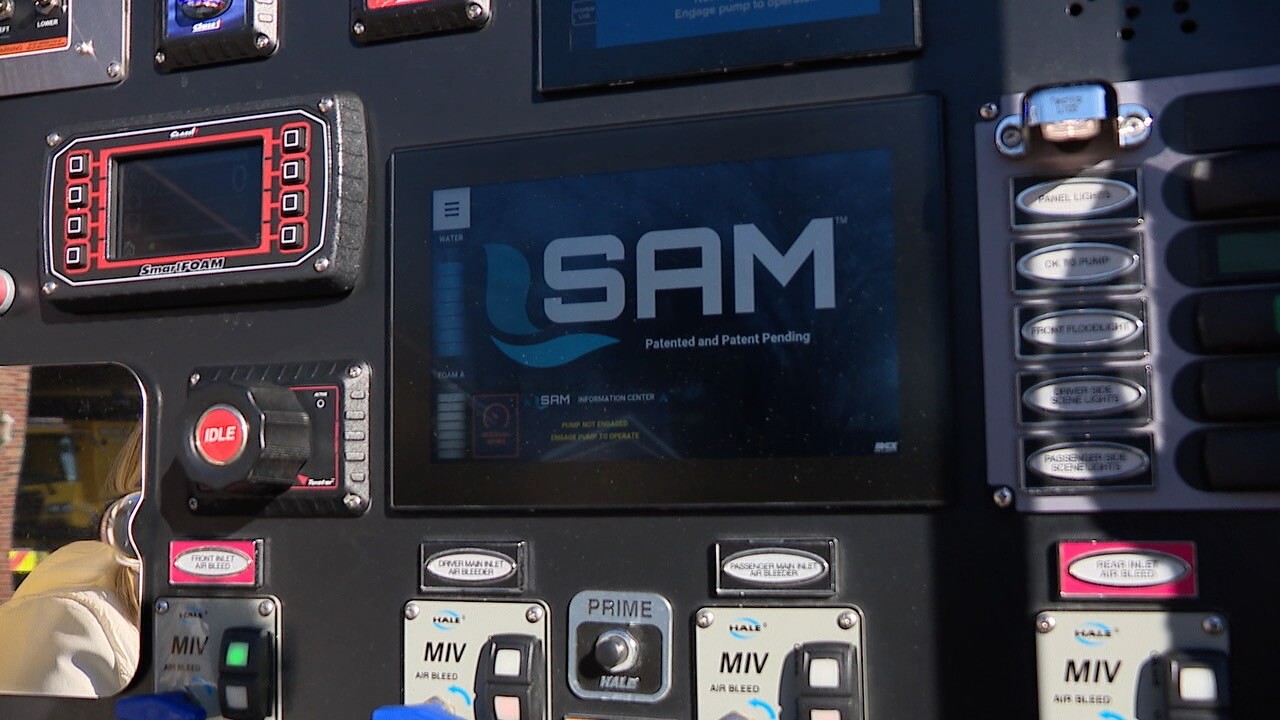
“Pumping is an incredibly manual process, and the technology today that is on the truck predates most people's grandparents,” said Jason Cerrano of Idex Fire & Safety.
The system monitors water supply and hose pressure in real time through a proprietary and dedicated radio.
Firefighters can be alerted to issues between the truck and the nozzle before someone radios in a problem, a feature developers say can save critical seconds.
“When your firetruck can actually tell you before someone themselves has a chance to get on the radio that you have a problem between the truck and the nozzle, it can literally save lives,” Cerrano said.
Terrell says the department has been using the technology for about a year and has already seen improvements in on-scene efficiency.
“The fire service is very heavy on tradition, and this definitely steps away from that traditional pump panel and engineer with the fire trucks,” Terrell said. “But we're not afraid to embrace change and try to adapt to new technology that helps us do our jobs better.”
As staffing shortages continue to affect fire departments nationwide, innovations such as automated pump systems may soon become less a luxury and more a necessity.
Terrell says he has already received calls from departments across the country asking how the system works — and whether it could help their own crews operate more effectively.
