



CLEVELAND — Becoming an American citizen can be expensive, time-consuming, and complicated. Many people hire attorneys— but it’s important not to hire the wrong one.
One woman says she’s living a nightmare after hiring what turned out to be a fake attorney.
The woman we talked to has an expired visa and is now considered undocumented. Because she fears deportation, she did not want to reveal her face or real name — so we’ll call her “Maria.” At times during the interview, she spoke through a translator.
Maria’s story starts in her home country of Colombia. There, she ran a nonprofit helping women rebuild their lives. But that work made her a target.
“Certain members, especially of the drug trafficking cartels, don't like the work that they're trying to do,” Maria said through a translator, “a threat was posted on my house. It said stop, or we’ll kill you.”
Maria arrived in the U.S. in July of last year on a six-month visitor visa to seek asylum. Unfamiliar with the U.S. legal system, she turned to someone a friend recommended. She paid the person $3,200 to file her asylum application.
But months passed without any updates. After dozens of calls, texts, and emails, the person she believed was her attorney finally told Maria she had missed her immigration appointment — and could now be detained.
“He called me again. Oh no, no, no, no, you don't go to the court, please, they may arrest you,” said Maria.
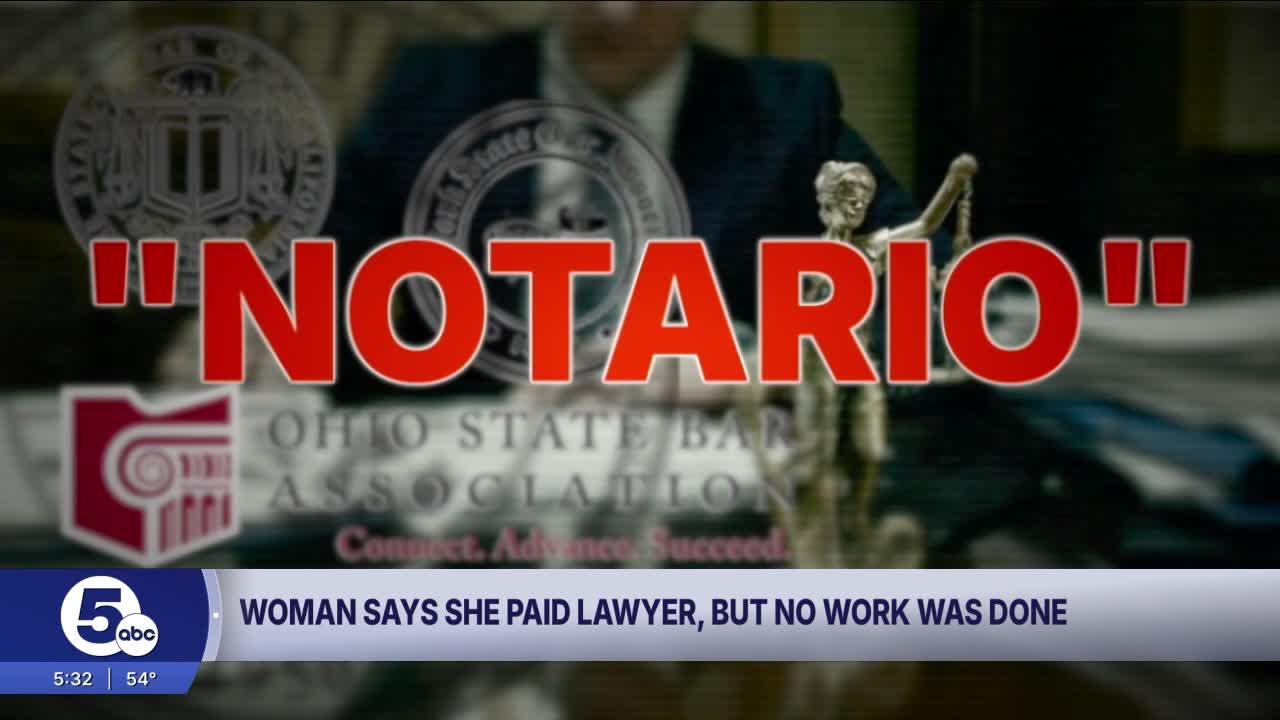
That’s when she learned the person was not a licensed attorney — but a notario.
“A lot of Latin American countries have notaries who are attorneys in their home countries,” said Stacey Cozart Martin a licensed U.S. immigration attorney who is now representing Maria. “But they are not attorneys here in the U.S.”
Cozart Martin says she’s seen a recent increase in cases involving notarios.
"They're targeting and preying on a very vulnerable population, because they know they can. They speak the language," said Martin.
The Federal Trade Commission declined to speak with us about notarios. However, the agency notes that the most common type of fraud involves imposters — and data shows that immigration fraud complaints tripled from last year to this year.
Aleksandar Cuic, director of the Immigration Clinic at Case Western Reserve University School of Law, says notarios are difficult to track.
"When they fill out paperwork, they're not putting down their name and address and contact information. They're filling out paperwork, taking money from a group of community members and then skipping town,” said Cuic.
"We've seen people miss the one-year deadline for filing for asylum because the notario has said, 'Oh, we've submitted your application, but there's no proof of it with the system," said Cozart Martin.
Sen. Bernie Moreno is a native of Colombia who later became a U.S. citizen. We asked him if the federal government is going after these notarios and whether they would offer visa extensions to their victims?
"It hinges, as you know, on a lot of variables. Number one, did they enter the country legally or illegally? They falsely claim asylum when clearly they knew they were not refugees, so in that scenario, the best answer is for them to self-deport,” said Moreno.
After missing her asylum appointment, Maria has filed an appeal. Now she waits anxiously, unsure of what comes next.
“Every time she sees a police presence, she worries that it's going to be her, that they'll be coming for her next,” said the translator on behalf of Maria.
The challenge in tracking notario fraud is that while the FTC collects immigration fraud complaints, immigration attorneys say many victims don’t report these cases out of fear of deportation. As a result, these “bad actors” are often left to operate unchecked.
Experts say people can protect themselves by verifying that an attorney is a member of the American Immigration Lawyers Association and by checking their state Supreme Court’s attorney registry. It’s also important to do your own research — make sure the attorney will meet with you in person, has an office space, and returns your calls.
