

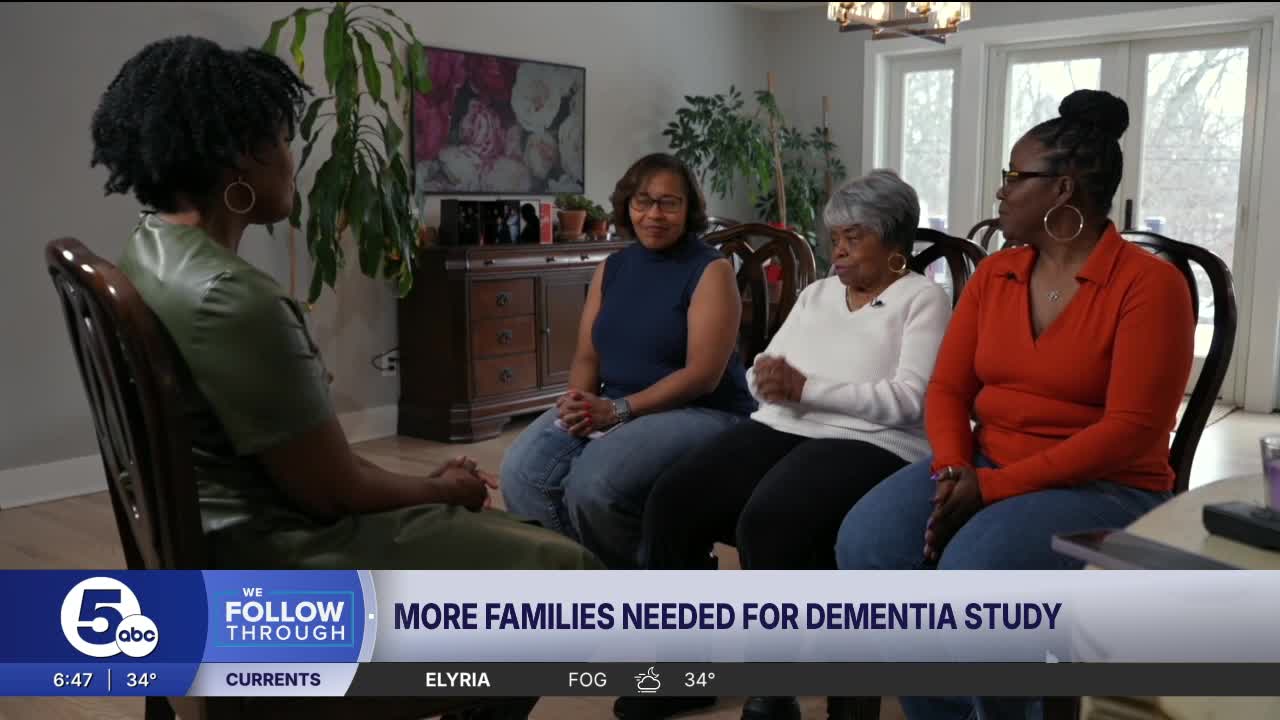


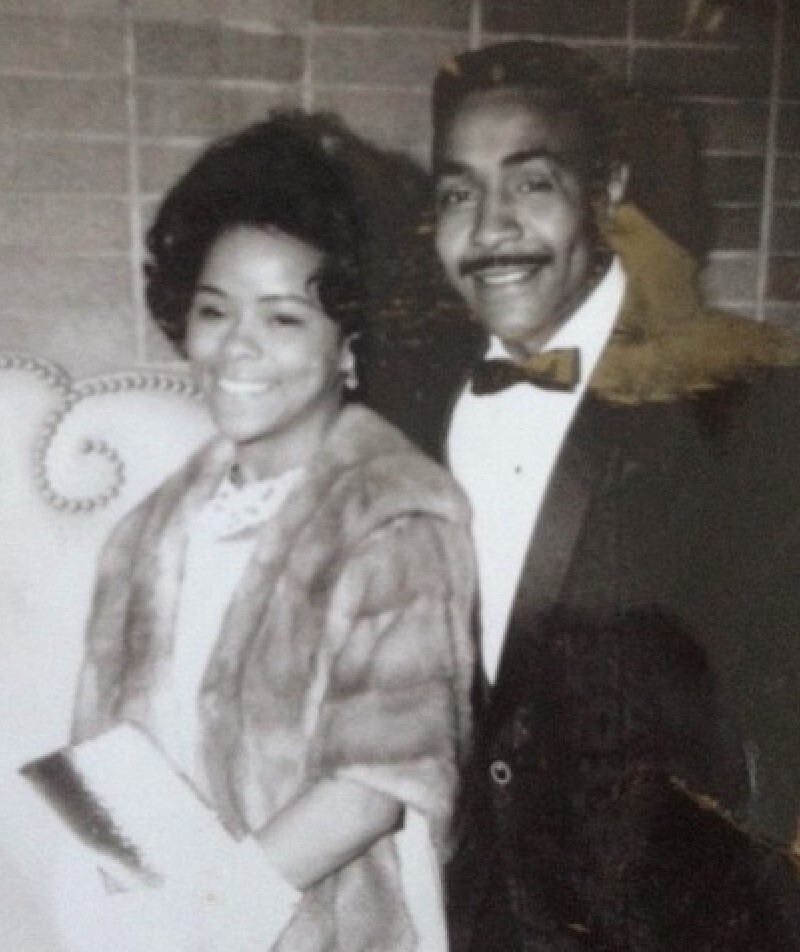
CLEVELAND — Navigating a dementia diagnosis is complicated. It was unfamiliar territory for Joyce Holbert, JoAnn Pitts and their brother when their late father had the disease.
It’s a scenario they don’t want to repeat with their mother.
“With the situation being as it is with our mom, we just wanted to take a more proactive role and kind of know, ‘okay, where can we get support,’” said Holbert.
Their mother, Joyce Chapman, 86, doesn’t have an official diagnosis but is experiencing memory loss.
The former realtor and insurance agent recognizes the change. “I be talking and I want to say somebody’s name, I can’t remember and I know them very well and it won’t come out,” she said. “I had to remember a lot and I could drive all around this city, all on the west side, everywhere, without getting lost, but now, I can’t hardly remember where I’m going some days.”
The family signed up for a study through the Cleveland-based non-profit Benjamin Rose.
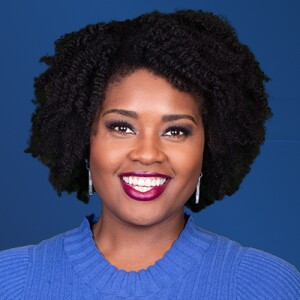
News 5’s Tiffany Tarpley first reported on the program in June 2025.
RELATED: Help is available for Black families dealing with dementia
Nine months later, there's an urgent push to get more families involved.
The non-profit is actively recruiting 120 Black families from across the country for a dementia-related clinical trial.
So far, 25 families have been recruited.
The SHARE Program stands for Support Health Activities Resources Education. According to the organization’s website, dementia affects millions of families across the United States, but its impact is not felt equally. Black and African American older adults face a higher risk of Alzheimer’s disease and related dementias, while also encountering greater barriers to diagnosis, care and support.
To participate in the study, the patient must be at least 50 years old, African American and experiencing early to moderate dementia.
A care partner is also needed to participate.
It can be a family member or friend. Participants are randomly put in one of two groups: those who receive one 60-75-minute session with a trained counselor or those who receive five to six, 60–75-minute sessions with a trained counselor.
They set up a care plan and build a support network. The program is virtual, so a computer or tablet and Wi-Fi are required to participate.
Benjamin Rose Research Assistant Donna Salaam said there’s a reason the goal of 120 families hasn't been reached yet.
“Because some of the stigmas that exist in the community about telling people that you may have changes in who you are as a person, your mind, you know, your thoughts, I mean no one wants to admit that things in their lives are changing, so it’s very difficult to talk about,” she said.
Salaam said time is limited because, as of now, they have through the end of summer to recruit families. “Overall the SHARE project is going to lessen the anxiety and the uncertainties that go along with learning about this diagnosis and an increased communication among families,” she said.
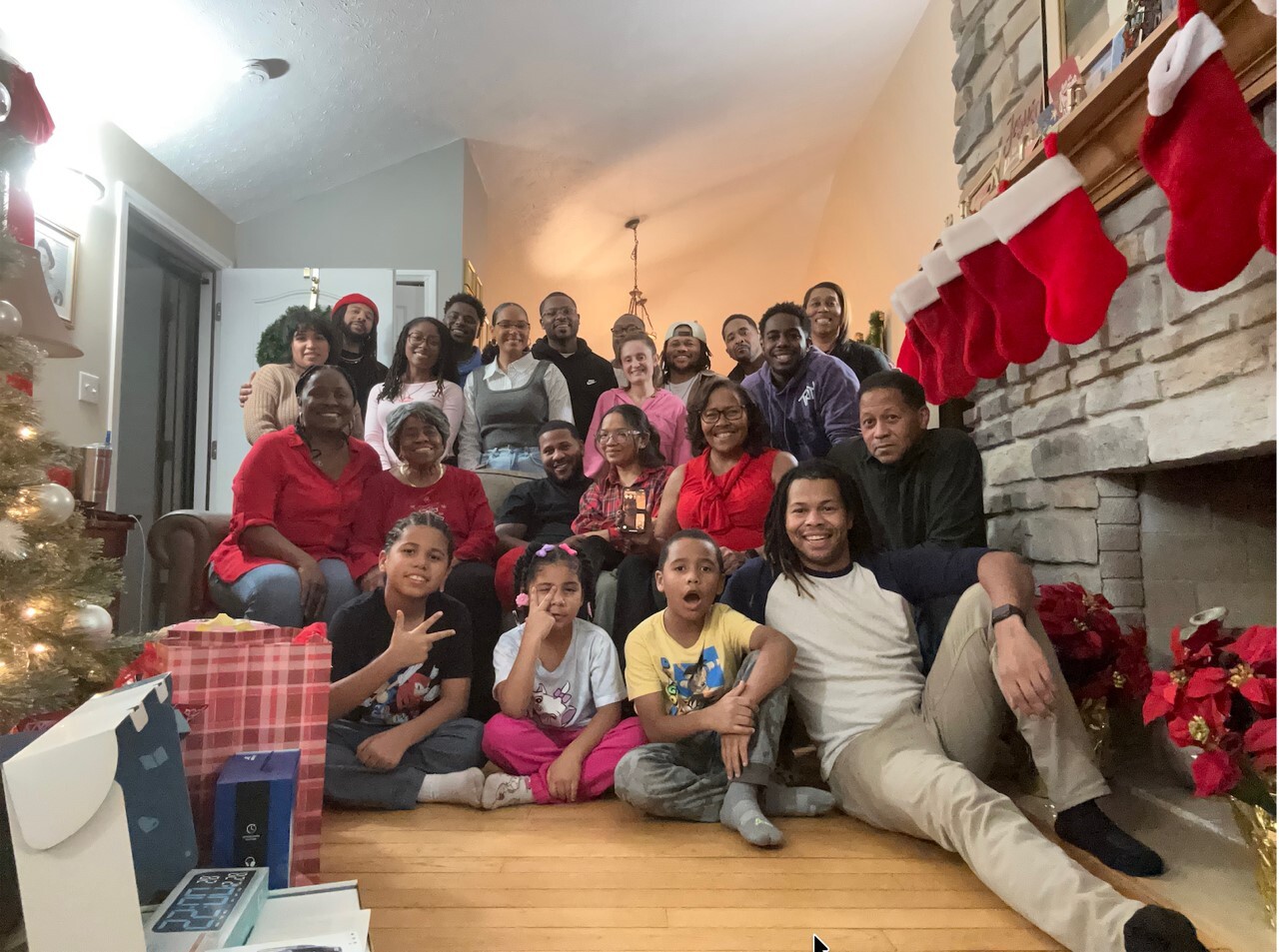
Through SHARE, Chapman and her children worked to make sure they’re prepared for what might come. “We’re all on the same page first of all, myself and my brother and sister we’re on the same page, we have extended family that can help, we’ve written out resources, we’ve actually changed her healthcare,” said Pitts.
Chapman is grateful for the family support.“I just thank God we all so close,” she said.
For more information on the program, contact Donna Salaam at 216-373-1747
