

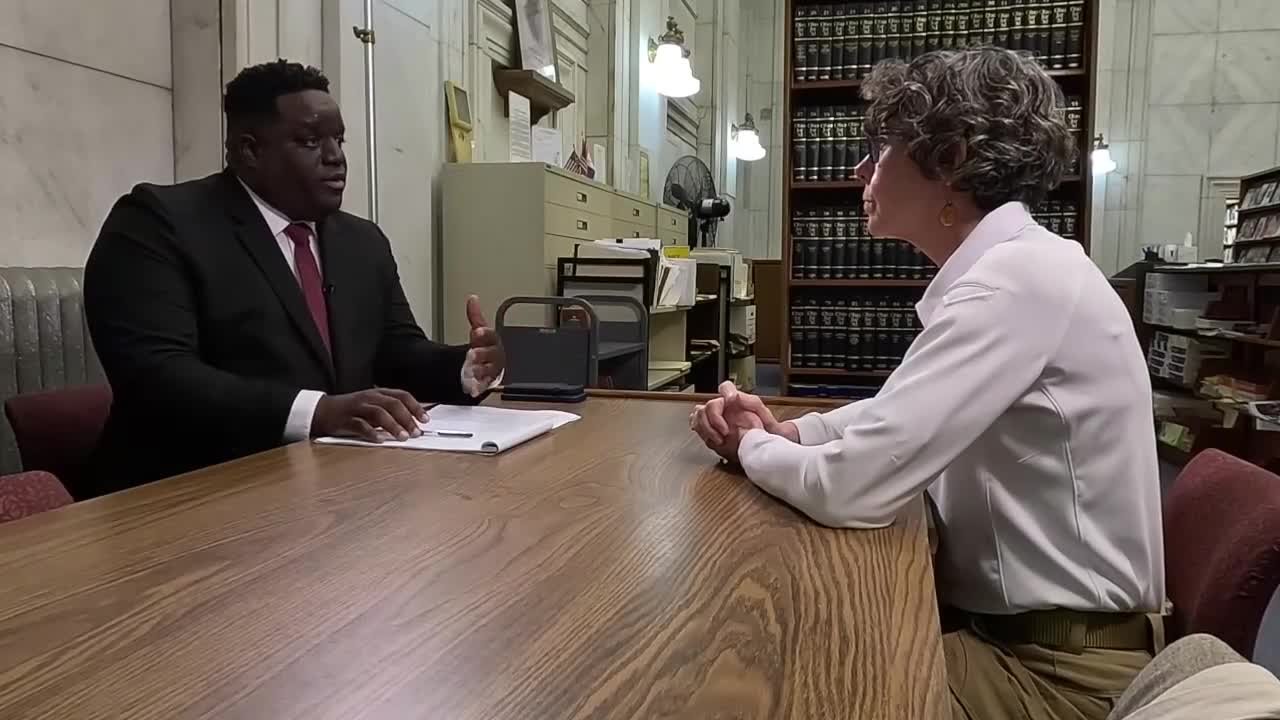


CLEVELAND — A new approach to responding to mental health and substance use emergencies is coming to Cleveland.
The city of Cleveland has announced the launch of its Community Crisis Response Bureau within the Division of Emergency Medical Service (EMS).
The bureau will develop and execute programs, protocols and training to dispatch unarmed health and behavioral health professionals to certain nonviolent emergencies — for example, someone experiencing suicidal thoughts without posing a threat to others or an individual with bipolar disorder experiencing a manic episode.
Maureen Malavé, a Northeast Ohio native, is the first deputy commissioner of Community Crisis Response.
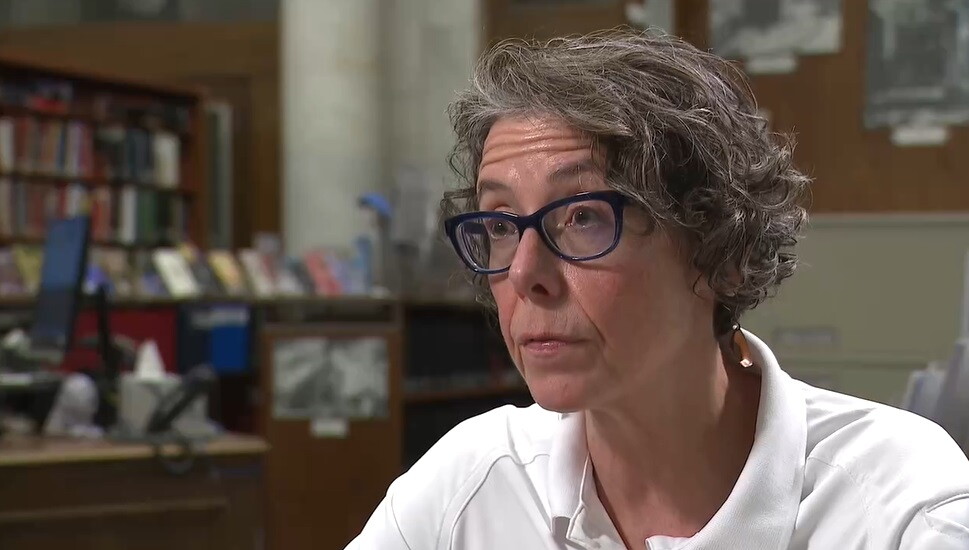
“I'm extremely excited to be here at the city in this critical space to intervene. I think it's the right time to bring social workers into the emergency medical service division,” Malavé said. “Social workers will be working on our teams, and social workers are the people that have the skills to deal with people having mental health and substance abuse crises. And we will not only respond in the moment, but we'll also be connecting people to the right services at the right time to help their situation.”
She said the ultimate goal is to help de-escalate situations and save lives.
“Absolutely. Absolutely. Our goal here is to deescalate, to save lives, and to connect people with the services that they need,” Malavé said. “And that involves partnerships with the county, partnerships with other city agencies, partnerships with local organizations, community-based organizations, and social service organizations, and really making those connections happen, and following up, and making sure that they happen.”
Malavé expects to have more than a dozen people on the team.
Tanisha's Law
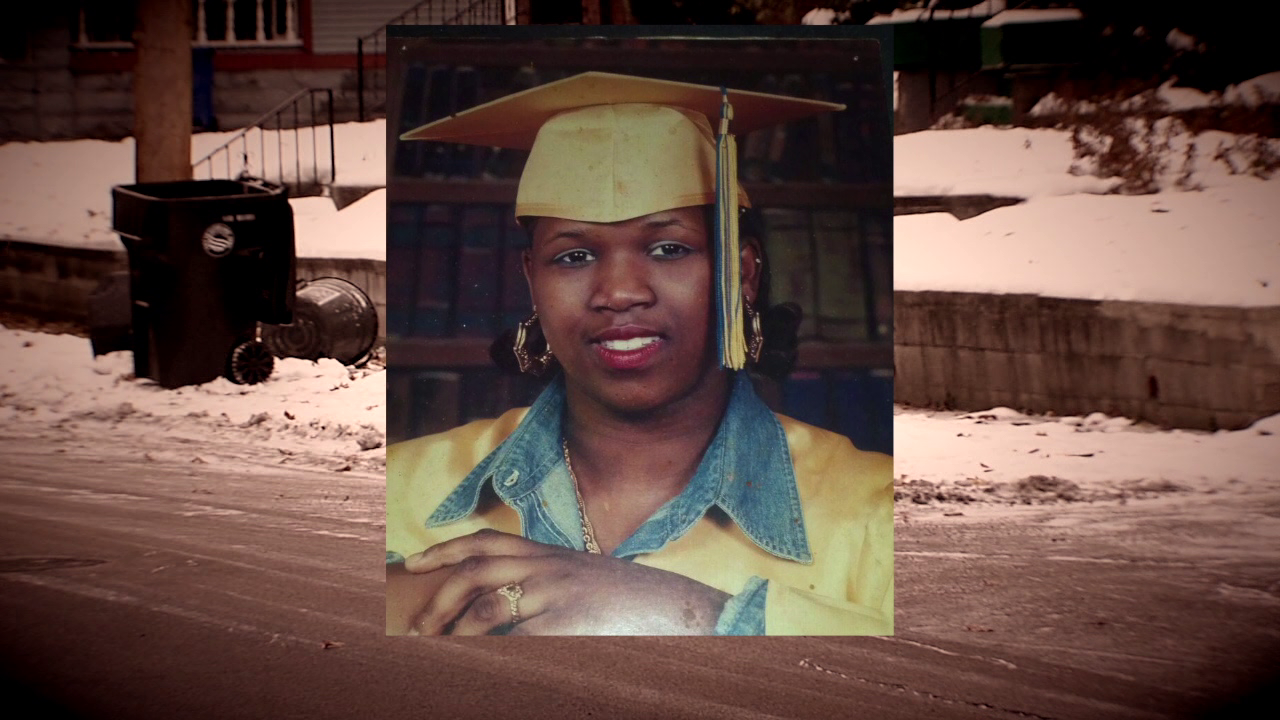
The new approach follows Cleveland City Council's passage of Tanisha’s Law, championed by the family of Tanisha Anderson.
Anderson died in 2014 after Cleveland police officers restrained her during a mental health crisis.
Leaders said the new bureau’s goal is to assess situations from the moment a 911 call comes in, with social workers part of the dispatch center and, whenever possible, responding to calls as health crises, with behavioral health clinicians, paramedics and peer supporters providing immediate care and connecting people to resources like treatment, housing and counseling.
Learning from other cities
Malavé said similar programs in other cities across the country have proven successful.
“They're extremely successful. Columbus has a program like this. We are modeling after that and other programs. Austin, Texas… Denver. We're taking this time really to talk to those places to build a program that's based on best practices, where we have the data system set up, the metrics set up, so that we can model them after what works and measure what we do in Cleveland so we can tailor it to best serve our citizens.”
In a news release, Cleveland Public Safety Director Wayne Drummond said, “The creation of this bureau represents a compassionate approach to public safety.”
Drummond added, “By strengthening the role of healthcare and behavioral health professionals in our emergency response system, we can better connect residents in crisis with the right resources while allowing police officers to focus on situations that require a law enforcement response.”
Malavé’s background
Malavé’s experience includes community health, social services and program development.
She served in the Peace Corps, lived in South America and worked at Guantanamo Bay in Cuba with Cuban migrants, which she said sparked her interest in health and social services.
“New York City Department of Health I worked for 10 years, and then I went on to work with the federal government, with the United States Agency for International Development, where I developed programs," Malavé said. “My background and how I got here is because I'm a person who thinks big picture, thinks 30,000 feet, and thinks about the social determinants of health, and thinks about how to make programs work and how to make them sustainable and how to measure our results.”
Damon Maloney is a Cuyahoga County and We Follow Through anchor at News 5 Cleveland. Follow him on X @DMaloneyTV, on Facebook DamonMaloneyTV or email him at Damon.Maloney@wews.com.
